How to Fertilize Your Mediterranean Strawflower
Helichrysum stoechas
By the Greg Editorial Team
Apr 15, 2024•4 min read
This article was created with the help of AI so we can cover more plants for you. May contain errors. See one? Report it here.
Nurture vibrant Strawflower blooms 🌼 with expert fertilizer tips that promise a spectacular floral show! 🎇
- Phosphorus is key for Strawflower blooms; use high-phosphorus NPK fertilizers.
- Start fertilizing in spring to match the Strawflower's growth cycle.
- Avoid over-fertilization; look for yellow leaves with dark veins as a warning sign.
Picking the Perfect Fertilizer
🌸 What Makes a Fertilizer Great for Blooms
Phosphorus is the MVP for those eye-popping Mediterranean Strawflower blooms. It's like the plant's personal cheerleader for flower production. Nitrogen and potassium back it up, keeping the plant sturdy and ready to show off.
Understanding NPK ratios is key. For Strawflowers, you want a blend that's not too heavy on nitrogen. A ratio with a higher middle number means more phosphorus, which translates to more blooms.
🌱 Organic vs. Synthetic: A Blooming Debate
Tailoring your choice to your Strawflower's needs means weighing the pros and cons. Organic fertilizers are the slow and steady winners, building soil health for the long haul. They're less likely to cause over-fertilization, but patience is a virtue—they take their sweet time.
Synthetic fertilizers are the fast track to bloom town. They're potent and quick-acting, like a caffeine shot for your Strawflower's blooming cycle. But beware, they can lead to nutrient burn if you get heavy-handed.
When it comes down to it, whether you go organic or synthetic, keep a sharp eye on those NPK numbers. Your Strawflower will reward you with a riot of color.
Timing is Everything: When to Fertilize for Best Blooms
💡 Growth Stages and Fertilizer Timing
Early spring is your cue. As the Mediterranean Strawflower begins to show new growth, that's your signal to start the fertilization regime. Ramp up the nutrients to coincide with the plant's natural growth spurt, ensuring it has what it needs to produce those characteristic vibrant blooms.
💭 Reading the Signs: Soil and Climate Considerations
Observe and adapt—the mantra for fertilizing in tune with your Strawflower's needs. If the leaves start to yellow or growth seems lackluster, it might be time to reassess your fertilization strategy. Conversely, lush foliage with few flowers suggests an overabundance of nitrogen—time to dial it back. Adjust your fertilization schedule not just with the seasons, but with the plant's responses to your care.
Fertilizing Techniques for a Floral Show
💧 The Right Amount
Determining the correct dosage of fertilizer for your Mediterranean Strawflower is more about precision than guesswork. Monthly applications of a balanced flower fertilizer are recommended, but those in containers may crave a bit more attention, requiring a boost every two weeks. Always adhere to the label instructions; overzealousness can lead to nutrient excess, which is as counterproductive as neglect.
🌿 The Method Matters
Foliar feeding can be your secret handshake with the blooming gods, provided you use a foliar-specific solution and dilute it more than you would for soil application. Keep it off the flowers, though; they're not fond of direct spritzes. When applying fertilizer to the soil, pre-watering is your friend—it prevents root burn by diluting the nutrient hit. Post-fertilization, water again to avoid salt buildup. Remember, the root zone is your target; that's where your Strawflower sips its nutrients.
Navigating the Pitfalls of Over-Fertilization
🚩 Spotting Trouble: Symptoms of Too Much Love
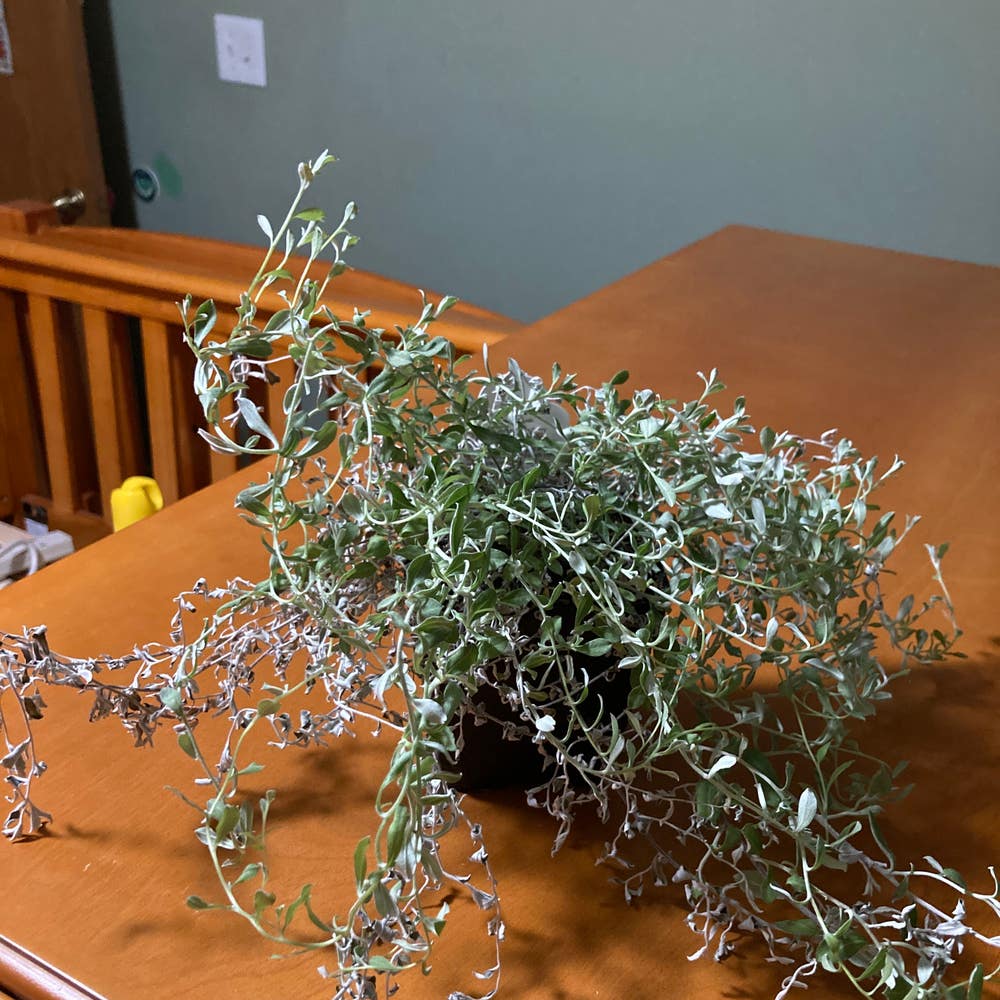
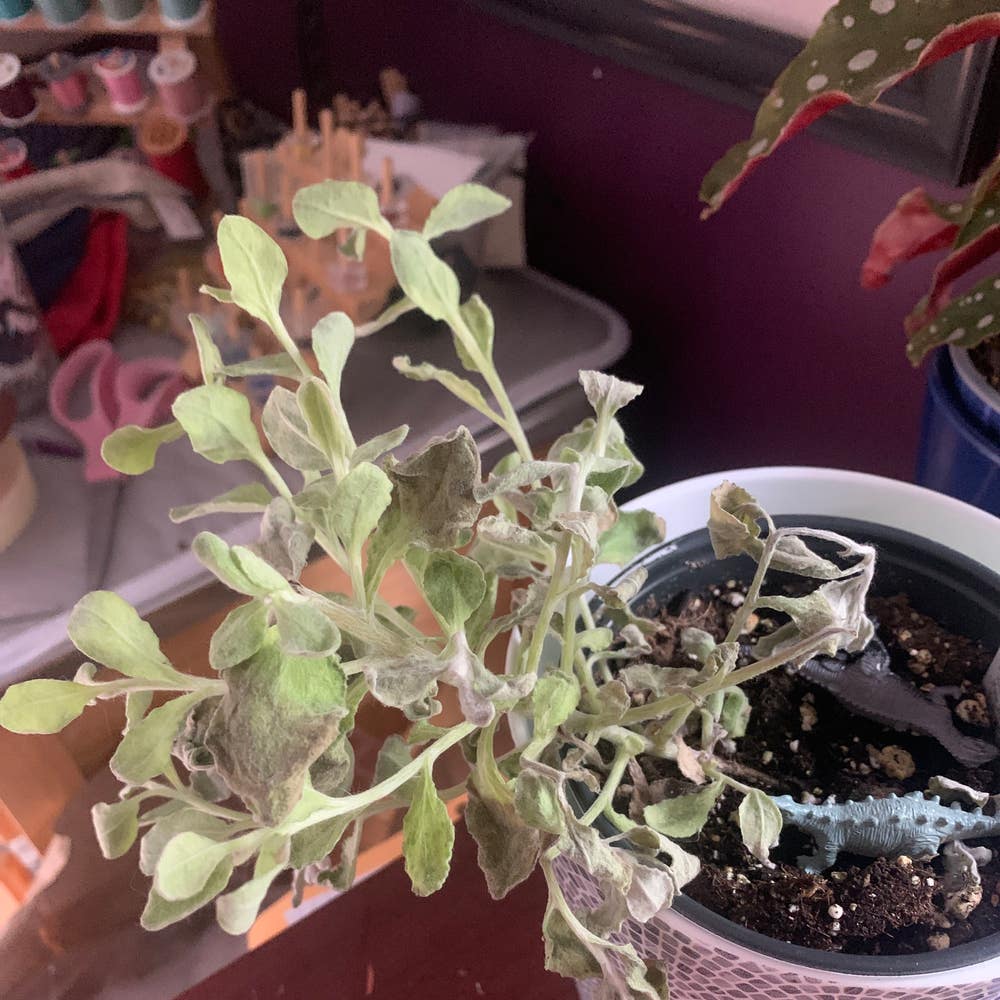
Yellowing leaves with dark-green veins may signal a nutrient imbalance, a common distress call from your Mediterranean Strawflower. Brown tips or edges on leaves are often a cry for help, indicating over-fertilization. A crusty soil surface? That's a red flag for a buildup of fertilizer salts. These symptoms are your plant's version of a smoke alarm; don't ignore them.
🛠 Quick Fixes for Fertilizer Faux Pas
If you've gone overboard with fertilizer, stop feeding your Strawflower immediately. Flush the soil with plenty of water to dilute the excess nutrients, ensuring proper drainage to avoid root rot. Hold off on additional fertilizer until the plant shows signs of recovery. Over-fertilization can be a setback, but with quick action, your Strawflower can bounce back to its blooming glory.
⚠️ Safety First
This content is for general information and may contain errors, omissions, or outdated details. It is not medical, veterinary advice, or an endorsement of therapeutic claims.
Always consult a qualified healthcare professional before using any plant as food, medicine, or supplement.
Never eat any plant (or feed one to pets) without confirming its identity with at least two trusted sources.
If you suspect poisoning, call Poison Control (800) 222-1222, the Pet Poison Helpline (800) 213-6680, or your local emergency service immediately.
Spotted an error? Please report it here.
Ensure your Mediterranean Strawflower thrives with precise fertilization reminders 🌺 from Greg, tailored to promote spectacular blooms and prevent over-fertilization.