How Much Humidity Does My Mediterranean Strawflower Need?
Helichrysum stoechas
By the Greg Editorial Team
Apr 15, 2024•3 min read
This article was created with the help of AI so we can cover more plants for you. May contain errors. See one? Report it here.
Ensure your Strawflower thrives with the ideal humidity sweet spot—find out how! 🌺💧
- 50-60% RH ideal for Mediterranean Strawflower's vibrant health.
- 🌡️ Hygrometers measure indoor humidity; adjust for Strawflower's needs.
- Group plants or use humidifiers to manage humidity levels effectively.
Assessing Your Local Humidity for Mediterranean Strawflower
🌡️ Using Hygrometers for Accurate Readings
Hygrometers are your undercover agents in the world of humidity, giving you the lowdown on your indoor air. To get a full picture, check the readings at various times—morning, noon, and night. This isn't a one-and-done deal; it's about understanding the rhythm of your space.
🌍 Understanding Your Local Climate's Impact
Your local climate is the director of your indoor humidity show. If you're lounging in a humid coastal city, your Strawflower might be basking in moisture. But if you're in a desert town, your plant could be gasping for a drop of dampness. Adapt your indoor care to match these outdoor cues.
Sweet Spot: Ideal Humidity Range for Mediterranean Strawflower
💧 Understanding the Ideal Humidity Range
The Mediterranean Strawflower thrives in a relative humidity (RH) of 50-60%. This range strikes the perfect balance, ensuring the plant's environment is neither too arid nor excessively moist.
🌿 Signs of a Happy Strawflower
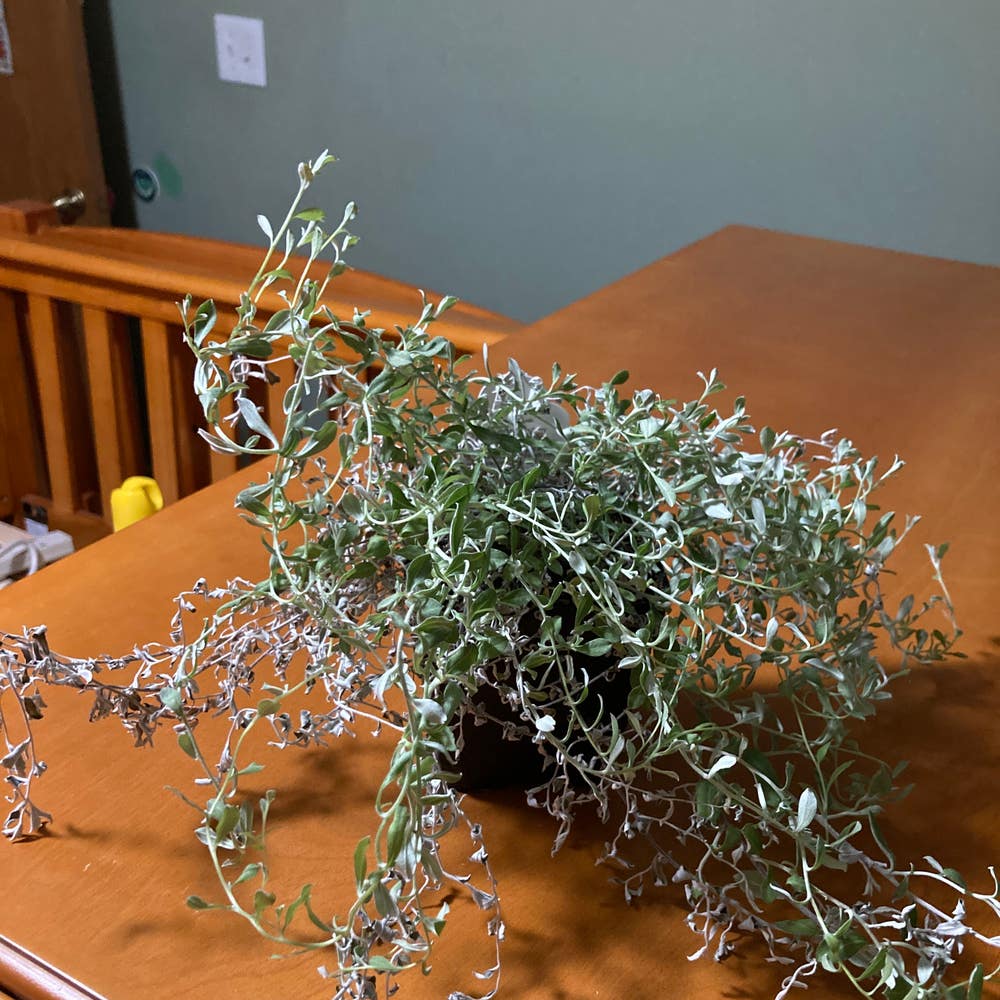
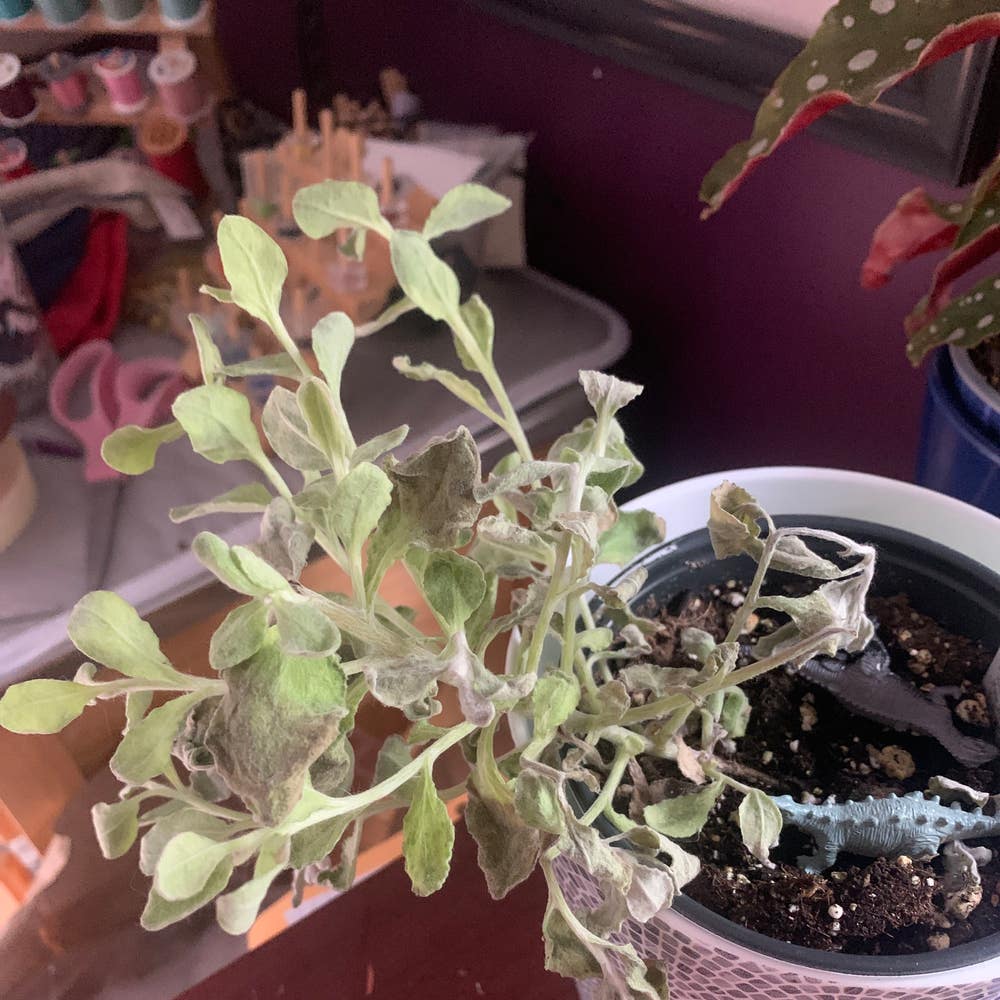
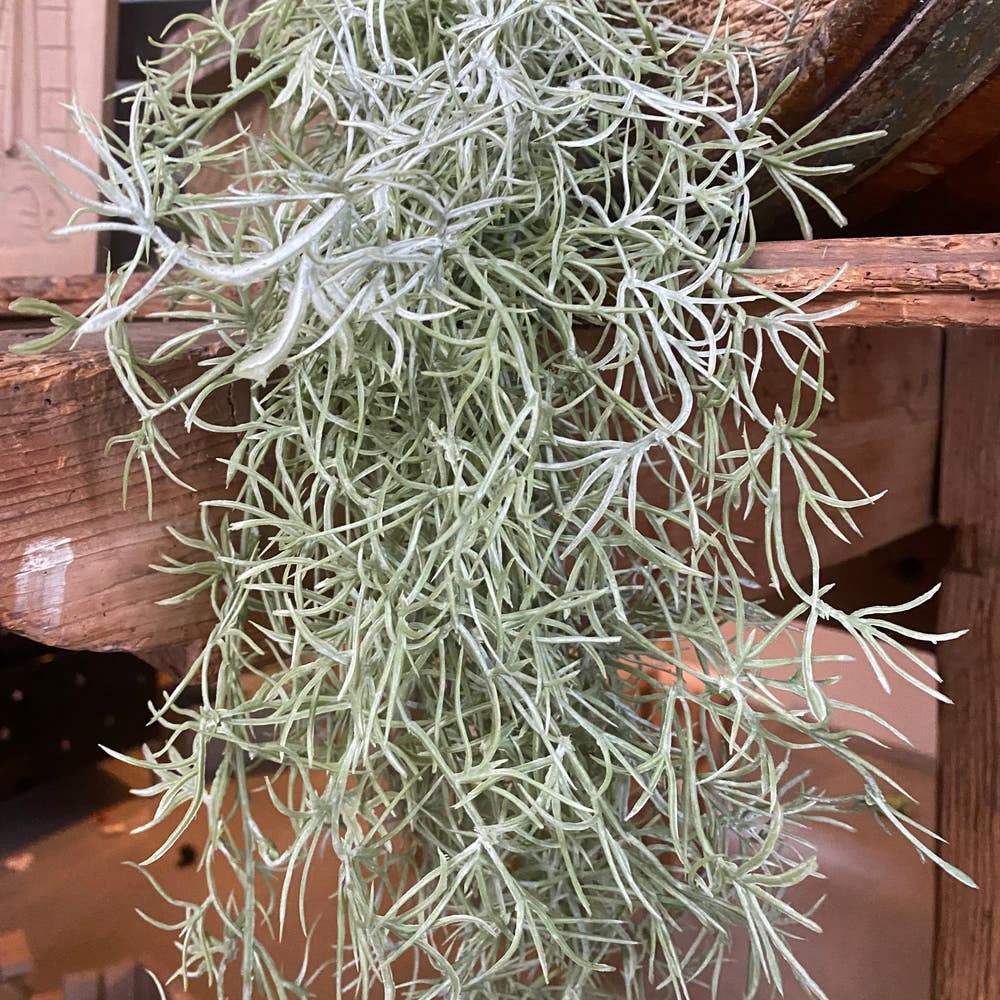
Lush, vibrant leaves are your Strawflower's way of saying "thanks." If the foliage is firm and the colors are bright, you've hit the humidity jackpot. Conversely, watch for droopiness or discoloration—these are your plant's cry for help.
📏 Monitoring and Adjusting Humidity
Use a hygrometer to keep track of indoor humidity levels. It's an essential tool, like a thermometer for your plant's comfort. Adjusting your Strawflower's surroundings to maintain the ideal RH is key to its health and beauty.
🚀 Quick Tips for Humidity Success
- Aim for a 50-60% RH sweet spot.
- Look for firm leaves and vivid colors as signs of contentment.
- Use a hygrometer to monitor humidity levels.
- Adjust the environment as needed to maintain the ideal RH for your Strawflower.
When the Air's Too Dry: Boosting Humidity
In the quest for optimal humidity for your Mediterranean Strawflower, sometimes the air indoors just won't cut it. Here's how to turn things around.
🌿 Creating a Microclimate: Grouping Plants
Grouping plants is like hosting a small gathering where each guest contributes to the humidity potluck. By placing your Strawflower alongside other plants, they collectively release moisture into the air through transpiration. This shared atmosphere can significantly increase humidity levels around them, creating a more suitable environment for your Strawflower to thrive.
💦 The Role of Humidifiers and Pebble Trays
If your indoor air resembles a desert more than a Mediterranean coast, introducing a humidifier can be a game-changer. It's like having a personal rain cloud for your plants, providing a consistent stream of moisture tailored to your Strawflower's needs.
🌴 Pebble Trays: A Classic Solution
For a simpler, low-tech approach, pebble trays are the unsung heroes of humidity. Fill a tray with water, line it with pebbles, and place your plant pot on top. The water evaporates, the air gets its moisture fix, and your Strawflower gets a humidity hug. Just make sure the pot isn't taking a bath – it's about hydration from below, not waterlogged roots.
Remember, while you're playing plant DJ, mixing the right humidity levels, keep an eye out for signs of over-humidification. It's all about hitting that sweet spot.
When Moisture's Too Much: Reducing Humidity
💨 Ventilation Strategies for a Breath of Fresh Air
Crack a window or get a fan spinning. It's about keeping the air lively and moving, not letting it turn into a lazy, moisture-laden blanket.
🚱 Balancing Watering Practices to Avoid Over-Humidifying
Ease up on the watering can when the air's already feeling like a wet handshake. Let the soil dry out a bit—think of a slightly damp sponge, not a soaked one.
⚠️ Safety First
This content is for general information and may contain errors, omissions, or outdated details. It is not medical, veterinary advice, or an endorsement of therapeutic claims.
Always consult a qualified healthcare professional before using any plant as food, medicine, or supplement.
Never eat any plant (or feed one to pets) without confirming its identity with at least two trusted sources.
If you suspect poisoning, call Poison Control (800) 222-1222, the Pet Poison Helpline (800) 213-6680, or your local emergency service immediately.
Spotted an error? Please report it here.
Ensure your Mediterranean Strawflower thrives in the ideal humidity 🌼 with Greg's tailored environment monitoring and care reminders, for that perfect 50-60% RH bloom.