Common Mediterranean Strawflower Problems
Helichrysum stoechas
By the Greg Editorial Team
Apr 15, 2024•4 min read
This article was created with the help of AI so we can cover more plants for you. May contain errors. See one? Report it here.
Safeguard your Strawflower's 🌼 vitality by dodging these typical care slip-ups!
- 🌼 Over-watering? Yellow leaves and mushy stems signal it's time to dry out.
- 🌞 Sunburned or shady? Adjust light for scorch-free, non-leggy Strawflowers.
- 🌡️ Keep temperatures stable between 70-75°F to avoid temperature tantrums.
Water Woes: Too Much or Too Little
💧 Over-watering Hazards
Spotting the Signs
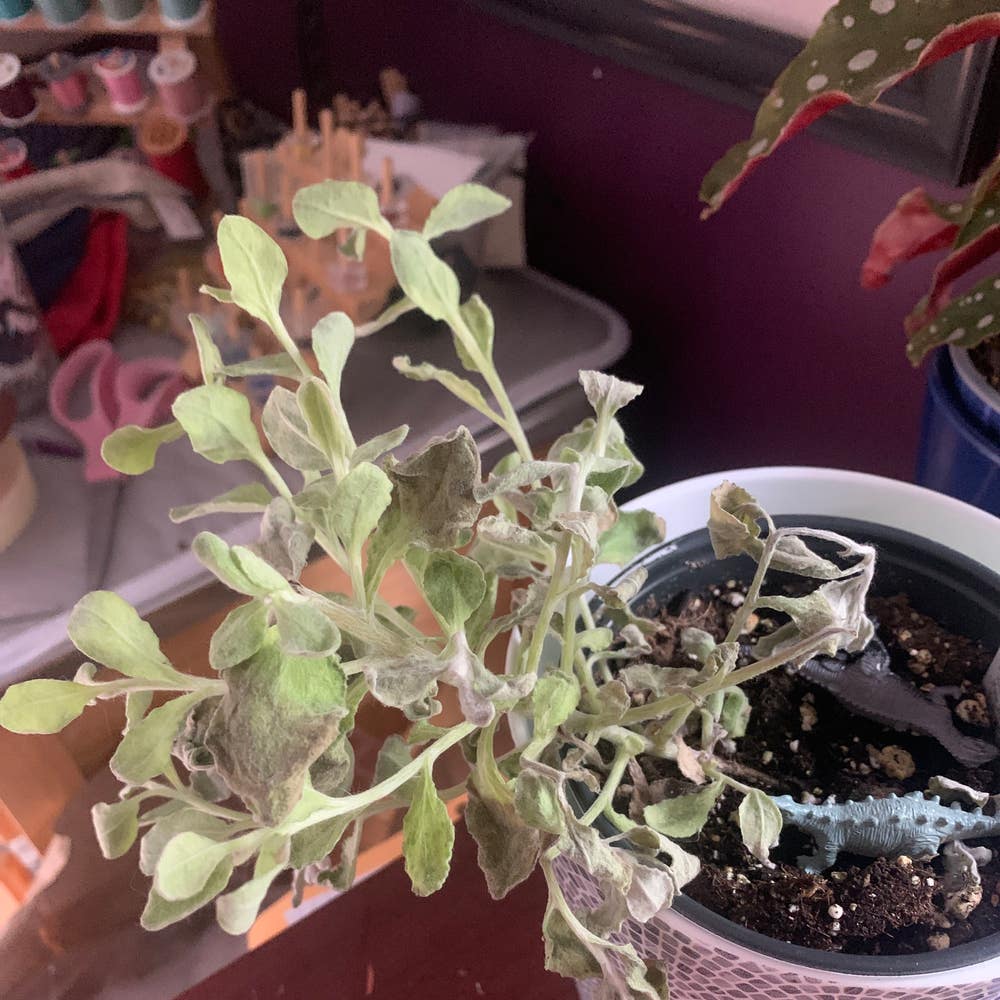
Yellowing leaves and mushy stems are your Strawflower's way of crying out against over-watering. If the soil smells more like a swamp than fresh earth, it's time to take action.
Drying Out
To fix an over-watered Strawflower, let the soil dry out a bit. Think of it as a detox for your plant's roots. Adjust your watering routine to when the top inch of soil feels dry to the touch.
💦 Under-watering Symptoms
Recognizing Thirst
When your Strawflower's leaves droop and feel as crispy as fall foliage, it's begging for a drink. If the soil is pulling away from the pot's edges, it's past time to quench that thirst.
Quenching Correctly
Watering should be like a refreshing sip, not a flood. Aim for soil moisture that mimics a wrung-out sponge. Observe your plant's response and find that sweet spot where it looks perky and hydrated.
Light and Shade Tango
🌞 Too Much Sun
When your Mediterranean Strawflower starts resembling a crispy leaf pile, it's time to act. Leaf scorching is the distress call of too much sun. To fix this, move your plant to a spot with bright, indirect light. It's like giving your plant a pair of sunglasses—protection without missing out on the sunny days.
💡 Not Enough Light
Pale leaves and leggy growth are your Strawflower's way of saying it's stuck in the dark. Introduce it to a brighter location, but do it gradually. Think of it as easing into a hot bath, not jumping into a boiling pot. This way, your plant gets the light it needs without the shock of sudden change.
Temperature Tantrums
Keeping your Mediterranean Strawflower content means stabilizing the climate around it.
🌡️ Recognizing the Signs
Curling leaves or a lack of flowering shout 'I'm stressed!' due to improper temperatures. Strawflowers enjoy a warm environment, typically between 70-75°F (21-24°C).
🏠 Creating a Stable Environment
Avoid placing your plant in the path of drafty windows or near devices that emit heat, like radiators. Consistency is your plant's best friend.
🛠️ Coping Strategies
If it's too hot, think shade or a cooler indoor spot. Too cold? Consider a heating mat for a gentle, root-warming hug. A fan can work wonders for air circulation on those hotter days.
🌡️ Practical Tips for Temperature Consistency
Keep an eye on the thermometer and make adjustments to keep your Strawflower from throwing a fit. Remember, stability is the goal—no sudden changes that could shock your plant's system.
The Unseen Invaders: Pests and Diseases
🐜 Pests on Patrol
Aphids, mealybugs, and spider mites are notorious for crashing the Strawflower party. Spot them by their telltale signs: sticky residue for aphids, cotton-like clusters for mealybugs, and fine webs for spider mites.
🌿 Natural Remedies
Neem oil and insecticidal soaps are your go-to bouncers, showing these pests the exit. Apply with care and consistency. For an eco-friendly twist, introduce ladybugs or lacewings; they're nature's own pest control agents.
🍄 Fungal Foes
Fungi love a good, damp environment to throw their spore parties. Powdery mildew and botrytis blight are the usual suspects, leaving a powdery or fuzzy residue on leaves.
🛡️ Prevention and Cure
Improve airflow and reduce moisture to spoil their fun. If they've already made themselves at home, a targeted application of fungicide can clear them out. Remember, overuse can lead to superbugs, so follow instructions meticulously.
🌱 Root Rot: The Silent Killer
Root rot is like a stealthy ninja, often going unnoticed until it's too late. Mushy stems and a swampy smell are the distress signals.
🚰 Recognizing and Treating Root Rot
If you suspect root rot, gently unpot your plant and inspect the roots. Healthy roots are firm and white, while rotten ones are soft and brown. Trim the bad roots and repot in fresh, well-draining soil. Remember, prevention is key—avoid overwatering and ensure good drainage to keep root rot at bay.
⚠️ Safety First
This content is for general information and may contain errors, omissions, or outdated details. It is not medical, veterinary advice, or an endorsement of therapeutic claims.
Always consult a qualified healthcare professional before using any plant as food, medicine, or supplement.
Never eat any plant (or feed one to pets) without confirming its identity with at least two trusted sources.
If you suspect poisoning, call Poison Control (800) 222-1222, the Pet Poison Helpline (800) 213-6680, or your local emergency service immediately.
Spotted an error? Please report it here.
Avoid the dreaded droop or yellowing in your Strawflower by using Greg's 🌱 custom care reminders to nail the right watering and light conditions from these tips!