🔍 Determining What Might Be Eating Your Hoya 'Bordvare'
Hoya australis 'Bordvare'
By the Greg Editorial Team
Sep 28, 2024•7 min read
This article was created with the help of AI so we can cover more plants for you. May contain errors. See one? Report it here.
- 🌱 Hoya 'Bordvare' attracts herbivores like deer, rabbits, and squirrels due to its appeal.
- 🐾 Signs of damage include hoof prints, nibbled leaves, and cleanly cut stems.
- 🚫 Effective deterrents include repellents, fencing, and monitoring for animal activity.
Appearance and Appeal
Description of Hoya 'Bordvare' 🌿
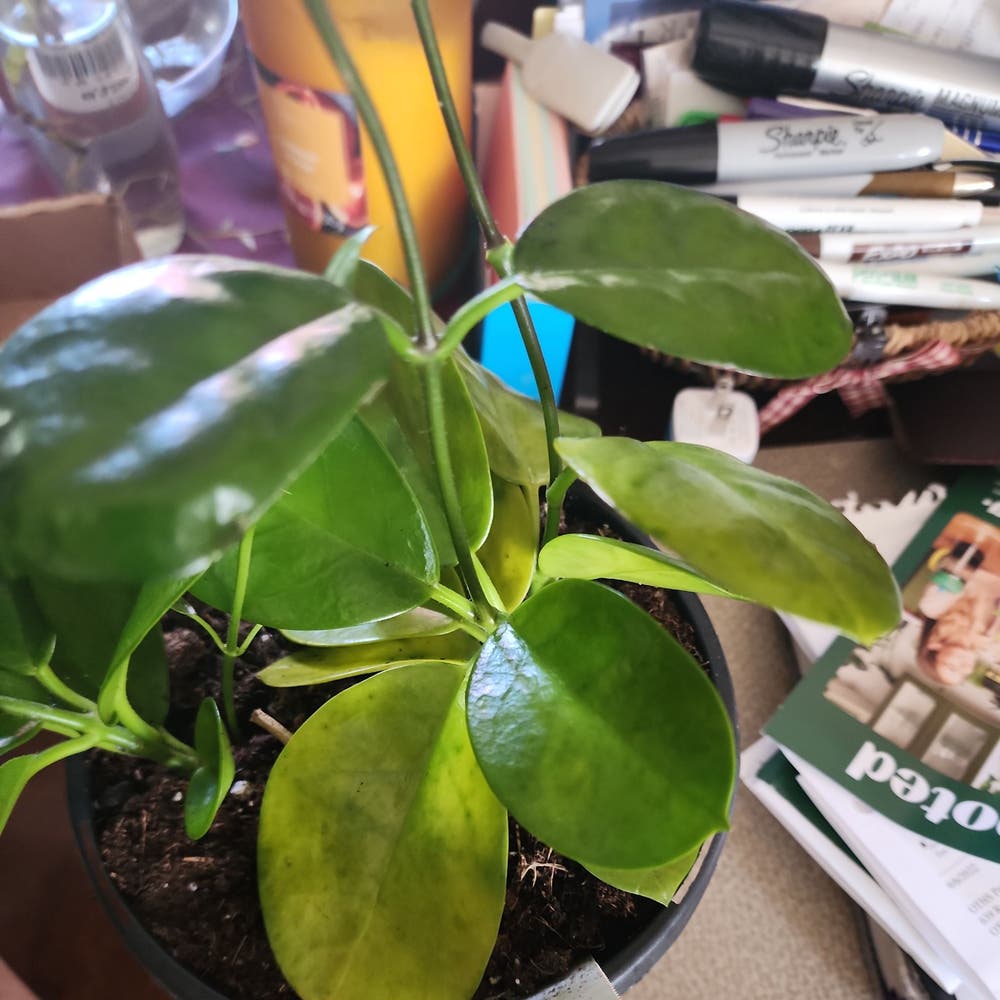
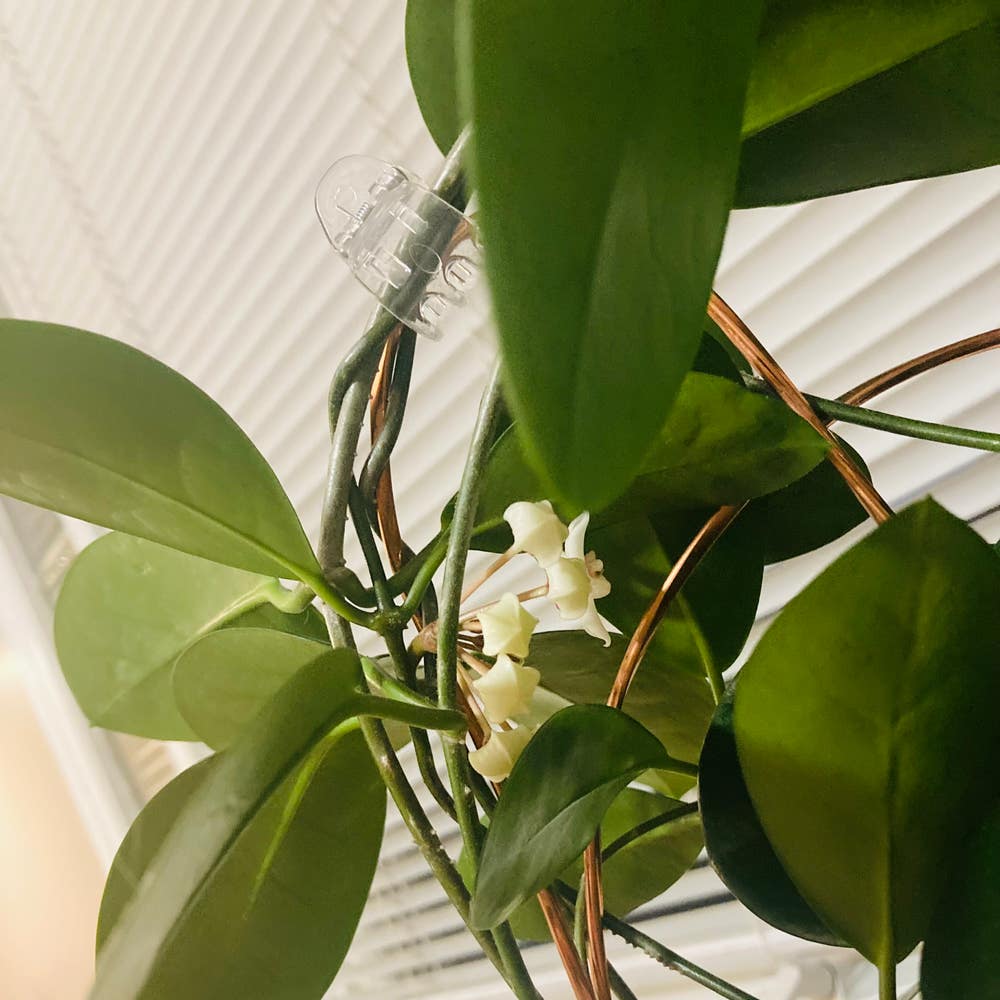
Hoya 'Bordvare' is a stunning plant known for its thick, glossy, waxy leaves that exude a sense of vitality. Its fragrant, star-shaped flowers bloom in clusters, adding a delightful aroma and visual appeal to any space.
Most Appealing Parts to Animals 🐾
Young shoots are particularly enticing to herbivores, as they are tender and packed with nutrients. Additionally, the flowers, rich in nectar, attract a variety of animals, drawn in by their sweet fragrance.
This combination of features makes Hoya 'Bordvare' a magnet for both admiration and potential nibbling. Understanding what attracts animals can help you protect this beautiful plant while enjoying its charm.
As we explore the common herbivores that might be drawn to your Hoya 'Bordvare', you'll gain insights into how to safeguard your plant from unwanted visitors.
Common Herbivores
🦌 Deer
Signs of presence and damage
Deer can be a significant threat to your Hoya 'Bordvare'. Look for hoof prints in soft soil or mud, and check for leaves and young shoots that appear nibbled or stripped.
Impact on the plant (beneficial or harmful)
The impact of deer is generally harmful. They can severely damage or even kill young plants, making them a serious concern for gardeners.
Deterrent methods (chemical and organic)
To deter deer, consider using commercial repellents that contain putrescent egg solids. Alternatively, planting deer-resistant species nearby or using human hair and soap shavings can also help keep them at bay.
🐇 Rabbits
Signs of presence and damage
Rabbits leave small, round droppings near the plant, and their damage is evident through cleanly cut stems and leaves at a 45-degree angle.
Impact on the plant (beneficial or harmful)
Rabbits are generally harmful to Hoya 'Bordvare'. Their feeding habits can stunt growth and reduce flowering, which is frustrating for any plant lover.
Deterrent methods (chemical and organic)
For rabbit control, use repellents with strong scents like garlic. You can also install fencing that is 2-3 feet high or plant rabbit-resistant plants to protect your Hoya.
🐿️ Squirrels
Signs of presence and damage
Squirrels can be identified by chewed leaves and stems, often leaving jagged edges. You might also find nesting materials scattered nearby.
Impact on the plant (beneficial or harmful)
The impact of squirrels is generally harmful. They can cause significant damage to young plants, making them a nuisance in your garden.
Deterrent methods (chemical and organic)
To keep squirrels away, try using repellents that contain capsaicin. Installing motion-activated sprinklers or using reflective materials can also deter these pesky critters.
🐦 Birds
Signs of presence and damage
Birds can be spotted by peck marks on leaves and flowers, along with droppings near the plant.
Impact on the plant (beneficial or harmful)
Birds have a mixed impact. While some may help pollinate your Hoya, others can damage flowers, creating a bit of a dilemma for gardeners.
Deterrent methods (chemical and organic)
For bird control, consider using bird deterrent sprays. Organic options include netting over plants or employing scare devices like reflective tape.
🐭 Rodents
Signs of presence and damage
Rodents leave small holes in the soil or around the base of the plant, along with gnawed roots or stems.
Impact on the plant (beneficial or harmful)
Rodents are generally harmful. Their activity can lead to root damage and overall plant decline, which is concerning for any gardener.
Deterrent methods (chemical and organic)
To manage rodents, use bait stations designed for them. Organic methods include traps and planting mint or other strong-scented herbs nearby to deter them.
🦡 Groundhogs/Woodchucks
Signs of presence and damage
Groundhogs leave large burrows near the plant and often chew leaves and stems at ground level.
Impact on the plant (beneficial or harmful)
The impact of groundhogs is generally harmful. They can completely decimate a Hoya 'Bordvare', making them a serious threat.
Deterrent methods (chemical and organic)
To deter groundhogs, use commercial repellents with strong odors. Organic solutions include fencing that is 3-4 feet high and planting deterrent plants like marigolds nearby.
Understanding these common herbivores and their impacts can help you protect your Hoya 'Bordvare' effectively. Next, let’s explore the beneficial animals that can enhance your garden ecosystem.
Beneficial Animals
🐝 Pollinators: Bees and Butterflies
Hoya 'Bordvare' attracts a variety of beneficial pollinators, particularly bees and butterflies. These creatures are drawn to the plant's fragrant, star-shaped flowers, playing a crucial role in pollination.
🐞 Predatory Insects: Ladybugs and Lacewings
In addition to pollinators, predatory insects like ladybugs and lacewings find a home among Hoya 'Bordvare.' They help control pest populations, ensuring your plant remains healthy and vibrant.
🌍 Positive Impacts on the Garden Ecosystem
The presence of these beneficial animals leads to enhanced pollination, which can result in better fruit and flower production. Moreover, natural pest control reduces the need for chemical interventions, promoting a healthier garden environment.
🌱 Encouraging a Thriving Ecosystem
By fostering a habitat for these beneficial creatures, you not only support your Hoya 'Bordvare' but also contribute to the overall health of your garden. This balance between plant protection and ecosystem health is vital for sustainable gardening.
As you nurture your Hoya 'Bordvare,' remember the importance of these allies in your garden. Their contributions can significantly enhance your gardening experience, leading to a flourishing and resilient plant community.
Protection Strategies
🛡️ Preventive Measures for Protecting Hoya 'Bordvare'
To keep your Hoya 'Bordvare' safe, regular monitoring is essential. Look for signs of animal damage, such as chewed leaves or disturbed soil.
Using physical barriers can also be effective. Fencing or netting around your plant can deter many herbivores from getting too close.
⚠️ Reactive Solutions for Managing Animal Interactions
If you notice damage, act quickly. Remove any affected parts of the plant to encourage new growth and minimize stress.
Additionally, applying repellents can help. Choose options that suit your gardening style, whether chemical or organic, to keep unwanted visitors at bay.
🌍 Balancing Plant Protection with Ecosystem Health
While protecting your plant, consider the broader ecosystem. Encouraging beneficial insects, like ladybugs, can help control pests naturally.
Understanding the role of each animal in your garden is crucial. Striking a balance between deterring harmful herbivores and fostering helpful pollinators will create a thriving environment for your Hoya 'Bordvare'.
As you implement these strategies, remember that a healthy garden is a harmonious one. This balance will not only protect your plants but also enhance the overall vitality of your garden ecosystem.
Seasonal Considerations
🐾 Seasonal Variations in Animal Attraction
As spring arrives, herbivores become more active, drawn to the fresh, tender growth of your Hoya 'Bordvare.' This new foliage is like a buffet for them, making it crucial to keep an eye out for any signs of nibbling.
In contrast, winter brings a lull in activity. Many animals retreat or become less interested in your plant, allowing it a brief respite from potential damage.
⏰ Timing of Plant Vulnerability
The young shoots and flowers of Hoya 'Bordvare' are particularly vulnerable in early spring. This is when they are at their most enticing, so vigilance is key during this period.
Monitoring your plant during peak growth times can help you catch any issues before they escalate. Regular checks can make all the difference in keeping your Hoya thriving.
Understanding these seasonal dynamics not only helps protect your plant but also enhances your gardening experience. With a little attention, you can enjoy the beauty of your Hoya 'Bordvare' while minimizing the risks from hungry visitors.
Toxicity and Interactions
Mild Toxicity of Hoya 'Bordvare' 🌱
Hoya 'Bordvare' contains a milky sap that may pose mild toxicity to some animals. This sap can deter herbivores, making the plant less appealing to certain pests.
Animal Interactions 🐾
While the sap may keep some animals at bay, others might still be tempted to munch on the plant. It's crucial to monitor your Hoya for signs of distress, as even mildly toxic plants can attract curious critters.
Recognizing Signs of Distress 🚨
Look out for wilting leaves or discoloration, which can indicate that your plant is under stress. Addressing these issues promptly can help maintain the health of your Hoya 'Bordvare'.
Balancing Plant Health and Animal Interactions ⚖️
Understanding the dynamics between your plant and local wildlife is essential. While some animals may be deterred by the sap, others might still pose a threat, so vigilance is key.
Conclusion 📚
By being aware of the mild toxicity and its implications, you can better protect your Hoya 'Bordvare'. This knowledge empowers you to create a thriving environment for your plant while managing animal interactions effectively.
Next, we’ll explore seasonal considerations that affect the attraction of herbivores to your Hoya.
⚠️ Safety First
This content is for general information and may contain errors, omissions, or outdated details. It is not medical, veterinary advice, or an endorsement of therapeutic claims.
Always consult a qualified healthcare professional before using any plant as food, medicine, or supplement.
Never eat any plant (or feed one to pets) without confirming its identity with at least two trusted sources.
If you suspect poisoning, call Poison Control (800) 222-1222, the Pet Poison Helpline (800) 213-6680, or your local emergency service immediately.
Spotted an error? Please report it here.
Safeguard your Hoya 'Bordvare' from herbivores with Greg's tailored care alerts 🛡️, ensuring your plant flourishes while keeping unwanted visitors away!