Why Are My Hoya australis 'Bordvare' Leaves Falling Over?
Hoya australis 'Bordvare'
By the Greg Editorial Team
Jun 18, 2024•5 min read
This article was created with the help of AI so we can cover more plants for you. May contain errors. See one? Report it here.
- 🌊 Overwatering and underwatering can both lead to leaf droop in Hoyas.
- 🌡️ Temperature and light need balancing to prevent Hoya leaves from wilting.
- 🌱 Well-draining soil and consistent care are key to Hoya health.
When Watering Goes Wrong: Over and Underwatering
💧 Signs Your Hoya is Drowning in Love (Overwatering)
Yellow leaves and a wilted presence are red flags for overwatering your Hoya australis 'Bordvare'. Root rot, the silent killer, thrives in these overly moist conditions. To avoid turning your pot into a swamp, let the soil dry out a bit before you water again. Winter calls for a lighter touch—your Hoya's thirst isn't as high.
💦 Fine-tuning your watering routine to keep roots happy
Adjust your watering habits by checking the soil moisture before giving your Hoya a drink. If the top inch of the soil feels dry, it's time to water. But remember, consistency is key—your Hoya craves a stable watering schedule, not a flood.
🏜️ Thirsty Plant Alert: The Underwatering Connection
When your Hoya's leaves start to droop, it might be crying out for hydration. A dry spell can cause the leaves to fall, signaling that it's time to quench your plant's thirst. Underwatering can also lead to root rot, as weakened roots become susceptible to fungal attacks.
🚰 Crafting the perfect watering schedule for your Hoya
To prevent underwatering, establish a regular watering routine. Use the finger test—if the soil is dry up to your first knuckle, it's time to water. Adjust this schedule with the changing seasons, as your Hoya's water needs will fluctuate.

The Environmental Balancing Act
🌡️ Too Hot, Too Cold, Just Right: Temperature Troubles
Hoya australis 'Bordvare' leaves can wilt under temperature stress. 70-85°F (21-29°C) is the sweet spot to prevent leaf droop.
Recognizing Temperature Stress
Leaves turning mushy or black? Your Hoya might be too close to a drafty window or a heat source. Time to relocate for stability.
Adjusting for Optimal Temperature
Keep your Hoya away from air conditioners and heaters. Consistency is key—avoid places where temperature fluctuates wildly.
🌞 Light and Humidity: Finding the Sweet Spot
Light and humidity levels are crucial for keeping Hoya leaves perky. They need a balance to thrive, just like their natural habitat.
The Role of Light
Bright, indirect light is like the perfect spot in a café for your Hoya. Too much direct sunlight can cause leaf burn, while too little can lead to a droopy, reaching plant.
Humidity and Your Hoya
Aim for moderate humidity to mimic a tropical paradise without the rainstorm. Use a humidity monitor to avoid turning your living room into a sauna or a desert.
Tips for an Ideal Environment
Keep your Hoya in a room with steady airflow but shield it from harsh, direct sun. Think of it as creating a microclimate that says, "This is just right!"

Root of the Problem: Soil and Root Health
🕵️ Checking In on Your Plant's Foundation
Unhealthy roots often lurk behind the curtain of drooping leaves. Root rot can be the stealthy villain here, so it's crucial to play detective with your Hoya's root system. If the roots are brown and mushy instead of firm and white, it's time to take action.
The right soil mix is your Hoya's best ally against water retention and root distress. Opt for a well-draining potting mix that's like a cozy bed—comfortable yet not overly clingy. This ensures that the roots have the breathing room they need to thrive.
🌱 The Right Soil Mix
A soil mix that doesn't drain can drown your Hoya's roots faster than a downpour in a leaky boat. Drainage is key; if the soil feels more like a wet sponge than a moist cake, you've got a problem. Mix in materials like perlite or coarse sand to increase aeration and prevent water from overstaying its welcome.
Regularly check the soil's moisture with a simple finger test. If it's soggy, consider adding more drainage. If it's dry, your watering schedule might need tweaking. Aim for soil that's like a good handshake—firm yet not suffocating.
🌱 Root and Pot Patrol
Don't let your Hoya become rootbound; it's like forcing a growing teenager to wear toddler clothes. If the roots are circling the pot like sharks, it's time for an upgrade. Give them space to stretch out in a new pot—one size larger should do the trick.
Remember, roots are your plant's lifeline. They're the unsung heroes, silently sipping water and nutrients. Keep them happy, and your Hoya's leaves will stand tall, proud, and most importantly, not drooping over in despair.

Bouncing Back: Reviving Your Drooping Hoya
🌿 First Aid for Fallen Leaves
Immediate steps are crucial when your Hoya's leaves start to droop. If the soil feels like a swamp, cease watering and let it dry. This is not a drill; overwatering is often the culprit. Conversely, if the soil is as dry as toast, it's time to hydrate. But don't flood the poor thing—aim for damp, not drenched.
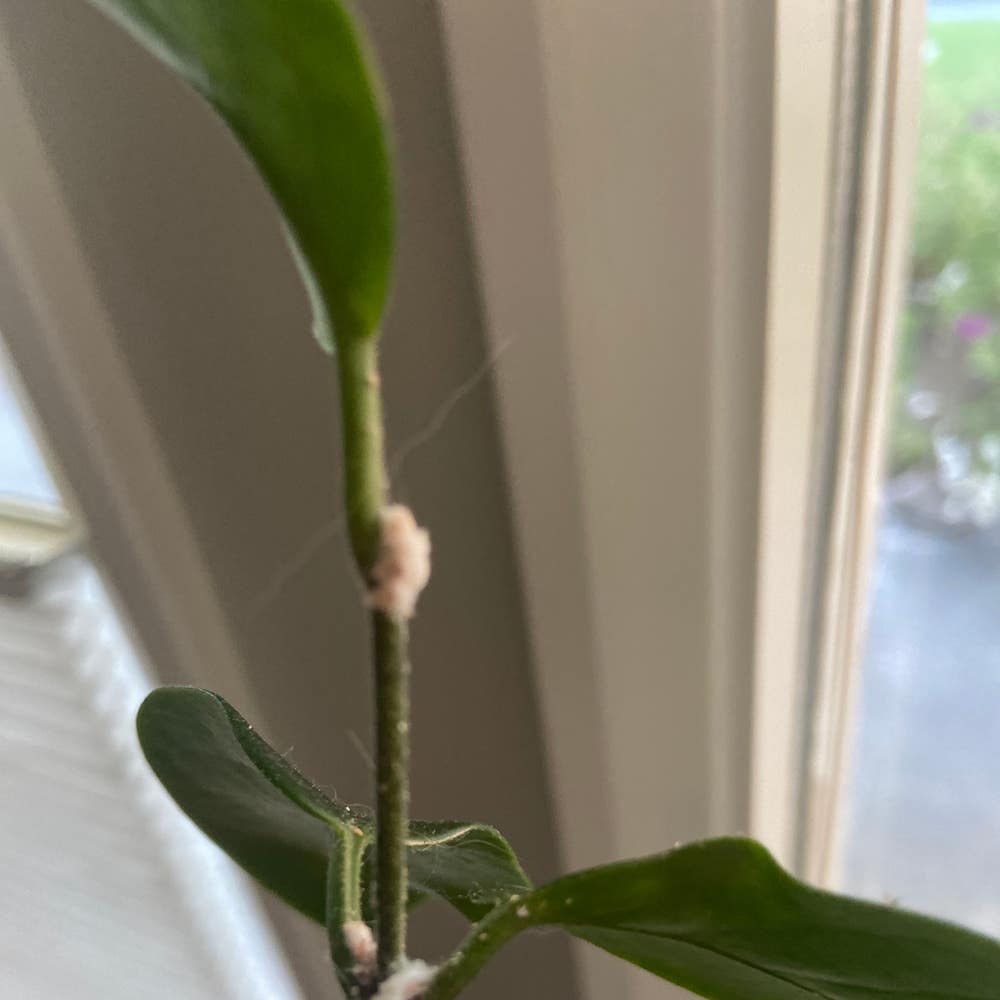
For pest problems, think of neem oil as your plant's personal bodyguard. Apply it to kick those freeloaders to the curb. And if your Hoya is shivering or sweating from temperature swings, find it a more temperate spot, stat. No plant likes to live in a sauna or an igloo.
🌱 Long-term strategies to strengthen your Hoya's leaves
Consistency is the name of the game for long-term care. Your Hoya doesn't want surprises; it craves routine. Check the soil before watering to maintain that perfect moisture balance. Think of it as the plant equivalent of checking your pet's water bowl.
Nutrients are your Hoya's secret weapon. A balanced fertilizer is like a multivitamin; it gives your plant that extra oomph. But ease off in the winter—your Hoya's not trying to win a growth spurt contest.
Lastly, keep those roots happy with a well-draining soil mix. It's like ensuring your Hoya has comfortable shoes—it can go the distance without getting waterlogged feet.
⚠️ Safety First
This content is for general information and may contain errors, omissions, or outdated details. It is not medical, veterinary advice, or an endorsement of therapeutic claims.
Always consult a qualified healthcare professional before using any plant as food, medicine, or supplement.
Never eat any plant (or feed one to pets) without confirming its identity with at least two trusted sources.
If you suspect poisoning, call Poison Control (800) 222-1222, the Pet Poison Helpline (800) 213-6680, or your local emergency service immediately.
Spotted an error? Please report it here.
Keep your Hoya australis 'Bordvare' standing tall by using Greg to monitor soil moisture 🌿 and create a watering schedule that adapts to your home's unique environment.