🌸 How and When to Pollinate Hoya 'Bordvare'
Hoya australis 'Bordvare'
By the Greg Editorial Team
Sep 28, 2024•7 min read
This article was created with the help of AI so we can cover more plants for you. May contain errors. See one? Report it here.
- 🌼 Hoya 'Bordvare' attracts bees and butterflies, enhancing pollination success.
- 🤲 Hand pollination ensures reproduction, even without natural pollinators.
- 🌱 Creating a pollinator-friendly garden boosts Hoya's health and fertility.
Flower Structure
Description of Flower Parts 🌸
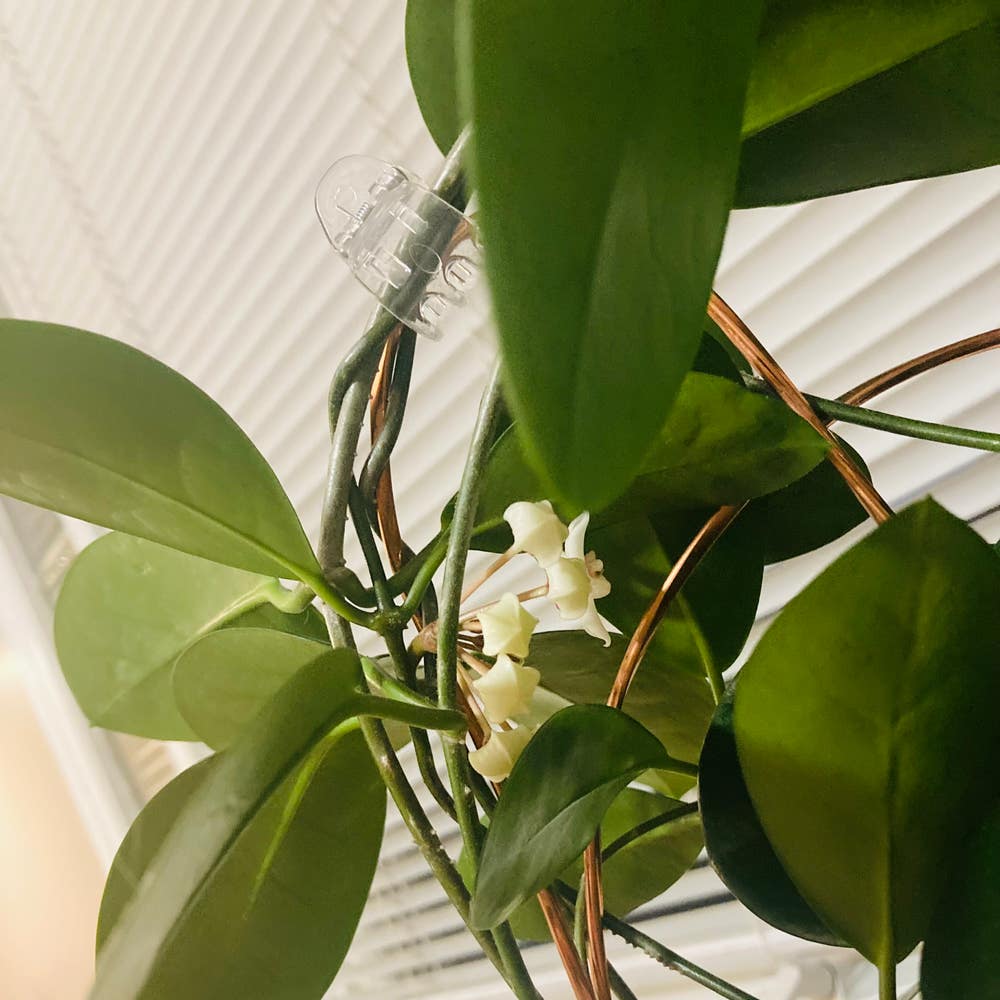
Hoya 'Bordvare' boasts stunning star-shaped petals that are not only vibrant but also have a waxy texture. This unique combination makes them visually appealing and resilient.
The sepals of the flower are arranged in a way that supports the overall structure, providing protection and stability. Their characteristics play a crucial role in ensuring the flower's integrity during the pollination process.
Stamens are abundant in Hoya 'Bordvare', arranged strategically to maximize pollen production. This arrangement is essential for effective reproduction, as it facilitates the transfer of pollen to the pistils.
The pistils, which are the female reproductive parts, have a well-defined structure that is designed to receive pollen. Their function is vital for fertilization, ensuring the continuation of the species.
How Flower Structure Facilitates Pollination 🐝
The unique shape and texture of Hoya 'Bordvare' flowers attract specific pollinator species, such as bees and butterflies. This targeted attraction increases the likelihood of successful pollination.
Mechanisms within the flower promote pollen transfer between blooms, enhancing cross-pollination opportunities. The flower's scent and vibrant colors further entice pollinators, making them irresistible.
In essence, the intricate design of Hoya 'Bordvare' flowers not only captivates the eye but also plays a pivotal role in their reproductive success. Understanding these features can help gardeners appreciate the importance of maintaining a healthy pollinator population.
With a solid grasp of flower structure, we can now explore the fascinating pollination process that follows.
Pollination Process
Mechanisms of Self-Pollination 🌱
Hoya 'Bordvare' has a fascinating ability to self-pollinate under specific conditions. This self-sufficiency ensures reproduction even when pollinators are scarce, making it a resilient choice for gardeners.
Self-pollination can occur when the flower's structure allows pollen from the stamens to reach the pistils without external help. This adaptability is crucial for maintaining plant populations in less-than-ideal environments.
Role of Pollinator Species in Cross-Pollination 🐝
While self-pollination is effective, cross-pollination enhances genetic diversity. Hoya 'Bordvare' primarily attracts bees, butterflies, moths, and hummingbirds, each playing a unique role in its pollination success.
- Bees: These industrious insects are drawn to the flower's vibrant colors and sweet scent, effectively transferring pollen as they forage.
- Butterflies: Their delicate nature allows them to navigate the flower's structure, promoting cross-pollination while enjoying nectar.
- Moths: Active during twilight, moths are attracted to the flower's fragrance, ensuring pollination even at night.
- Hummingbirds: Their rapid movements and preference for bright colors make them excellent pollinators, as they dart from flower to flower.
Each of these pollinators is lured by the flower's scent, color, and nectar production. This strategic attraction not only aids in successful pollination but also supports the overall health of the Hoya 'Bordvare' population.
Understanding these interactions is vital for anyone looking to cultivate this beautiful plant. With the right conditions and a little help from nature, your Hoya 'Bordvare' can thrive and flourish.
Next, we will explore the natural pollination mechanisms that further enhance the reproductive success of this remarkable plant.
Natural Pollination
🌬️ Pollen Transfer Mechanisms
Natural pollination occurs through various methods, including wind, water, and animal interactions. Each method plays a crucial role in ensuring that pollen reaches the stigma of Hoya 'Bordvare' flowers.
Wind pollination is less common for Hoya species, but it can occur in open environments. Water can also facilitate pollen transfer, though it's primarily reliant on animal interactions for effective pollination.
Timing is essential in the pollination process. Flowers must be open and ready to receive pollen when pollinators are active, ensuring successful fertilization.
🌱 Importance of Pollination for Reproduction and Genetic Diversity
Pollination is vital for seed and fruit production in Hoya 'Bordvare'. Without it, the plant cannot reproduce, leading to a decline in its population.
Cross-pollination enhances genetic diversity, which is crucial for the resilience of plant species. This diversity improves the plant's ability to adapt to environmental changes and resist diseases.
Successful pollination directly impacts plant health and vigor. A well-pollinated Hoya 'Bordvare' thrives, showcasing vibrant blooms and robust growth, making it a joy for any gardener.
Understanding these processes not only enriches your gardening experience but also fosters a deeper appreciation for the intricate relationships within nature. Next, we’ll explore the fascinating world of hand pollination and how you can take an active role in this process.
Hand Pollination
Step-by-Step Instructions for Hand Pollination 🌼
Hand pollination can be a rewarding process for Hoya 'Bordvare' enthusiasts. Here’s how to do it effectively:
Identify the flowering stage: Wait until the flowers are fully open. This is the optimal time for pollination.
Gather tools: Use a fine brush or a cotton swab. These tools are perfect for transferring pollen without damaging the delicate flower parts.
Locate male and female flower parts: Familiarize yourself with the flower structure. The stamens are the male parts, while the pistils are the female parts.
Collect pollen: Gently brush the stamens to gather pollen. Make sure to collect enough for effective transfer.
Transfer pollen: Carefully apply the collected pollen to the pistil. Ensure it makes good contact for successful fertilization.
Identifying Male and Female Flower Parts 🔍
Understanding the flower structure is crucial for successful hand pollination.
Male parts (Stamens): These are typically slender and topped with an anther, where pollen is produced. They often have a yellowish hue when loaded with pollen.
Female parts (Pistils): The pistil is usually more prominent, often appearing as a thicker, central structure. It may have a sticky stigma at the top, which is essential for capturing pollen.
Look for these visual cues to distinguish between the two parts easily. Knowing your flowers will make the pollination process smoother and more successful.
With these steps in mind, you’re well on your way to ensuring the reproduction of your Hoya 'Bordvare'. Next, let’s explore how to create a pollinator-friendly environment to support these beautiful plants.
Supporting Pollinators
🌼 Creating a Pollinator-Friendly Environment
Designing a garden that attracts pollinators is essential for the health of Hoya 'Bordvare'. Start by incorporating a variety of native plants, as they provide the best food sources and habitats for local pollinators.
Diverse flora not only supports a range of species but also ensures that something is always in bloom. This continuous supply of nectar and pollen is crucial for attracting bees, butterflies, and other beneficial insects.
🌸 Companion Plants to Attract Pollinators
Companion planting can significantly enhance the pollination success of Hoya 'Bordvare'. Consider adding plants like lavender, marigolds, and coneflowers, which are known to attract a variety of pollinators.
These plants produce vibrant flowers and sweet scents, drawing in bees and butterflies. Their presence creates a more inviting environment, encouraging pollinators to visit your Hoya plants more frequently.
⚠️ Pollination Challenges
Common Obstacles to Successful Pollination
Several environmental factors can hinder successful pollination. Temperature fluctuations and high humidity levels can disrupt the delicate balance needed for effective pollen transfer.
Additionally, a lack of pollinators can severely impact Hoya 'Bordvare'. Urbanization and pesticide use often lead to declining pollinator populations, making it harder for your plants to reproduce.
Solutions for Overcoming Pollination Challenges
To improve pollination success, consider implementing strategies that enhance your garden's environment. Create sheltered areas with windbreaks to protect delicate flowers from harsh weather.
You can also plant a mix of flowering species that bloom at different times. This approach ensures a steady influx of pollinators throughout the growing season, boosting the chances of successful fertilization for your Hoya 'Bordvare'.
By fostering a supportive environment, you not only help your plants thrive but also contribute to the well-being of local pollinator populations.
⚠️ Safety First
This content is for general information and may contain errors, omissions, or outdated details. It is not medical, veterinary advice, or an endorsement of therapeutic claims.
Always consult a qualified healthcare professional before using any plant as food, medicine, or supplement.
Never eat any plant (or feed one to pets) without confirming its identity with at least two trusted sources.
If you suspect poisoning, call Poison Control (800) 222-1222, the Pet Poison Helpline (800) 213-6680, or your local emergency service immediately.
Spotted an error? Please report it here.
Elevate your Hoya 'Bordvare' blooms by mastering pollination techniques, and let Greg guide you with custom reminders and community tips to create a thriving pollinator haven 🌼!