❄️ How to Prepare Your Hoya 'Bordvare' for Winter
Hoya australis 'Bordvare'
By the Greg Editorial Team
Sep 28, 2024•3 min read
This article was created with the help of AI so we can cover more plants for you. May contain errors. See one? Report it here.
- ❄️ Hoya 'Bordvare' goes dormant in winter, reducing growth and dropping leaves.
- 🌡️ Keep temperatures above 50°F to prevent frost damage and stress.
- 💧 Water every 2-4 weeks in winter, allowing soil to dry out between waterings.
Winter Care for Hoya 'Bordvare'
🌱 Signs of Dormancy
As winter approaches, your Hoya 'Bordvare' will show signs of dormancy. You may notice reduced growth, with slower leaf and stem development.
Occasional leaf drop is normal, particularly with older leaves. Additionally, the leaves may darken as the plant conserves energy for the colder months.
❄️ Frost Protection
Hoya 'Bordvare' is sensitive to frost, with potential damage occurring at temperatures below 50°F (10°C). To protect your plant, consider bringing it indoors if it's grown outside.
For outdoor plants, using frost cloths or blankets can provide essential insulation. Alternatively, placing pots in sheltered areas minimizes exposure to harsh conditions.
💧 Watering and Fertilizing Adjustments
🔄 Adjusting Watering Schedule
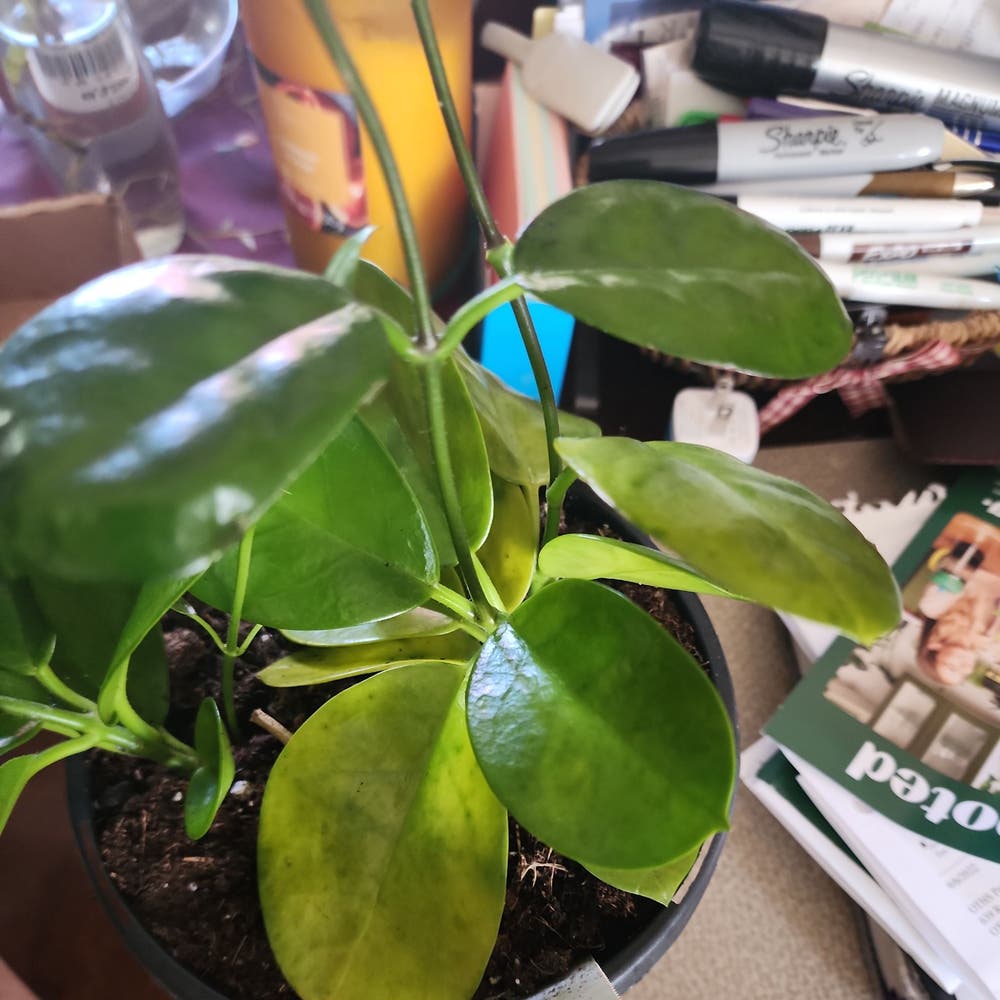
During winter, adjust your watering frequency to every 2-4 weeks, depending on humidity levels. Watch for signs of overwatering, such as yellowing leaves and mushy stems.
It's crucial to allow the soil to dry out between waterings to prevent root rot.
🌿 Fertilizing in Winter
Avoid fertilizing during dormancy; wait until spring to resume feeding. When growth resumes, use a balanced, diluted fertilizer to support your plant's recovery.
🏡 Indoor Winter Care
🌡️ Optimal Indoor Temperature
For optimal growth, maintain indoor temperatures between 60°F to 75°F (15°C to 24°C). Be mindful of drafts and sudden temperature changes that could stress your plant.
☀️ Light Conditions
Bright, indirect light is essential for your Hoya during shorter winter days. Position your plant near east or west-facing windows, ensuring it avoids direct sunlight.
💦 Humidity Requirements
Aim for humidity levels between 40-60% to prevent leaf drop. You can increase humidity by using a humidifier or placing water trays near the plant.
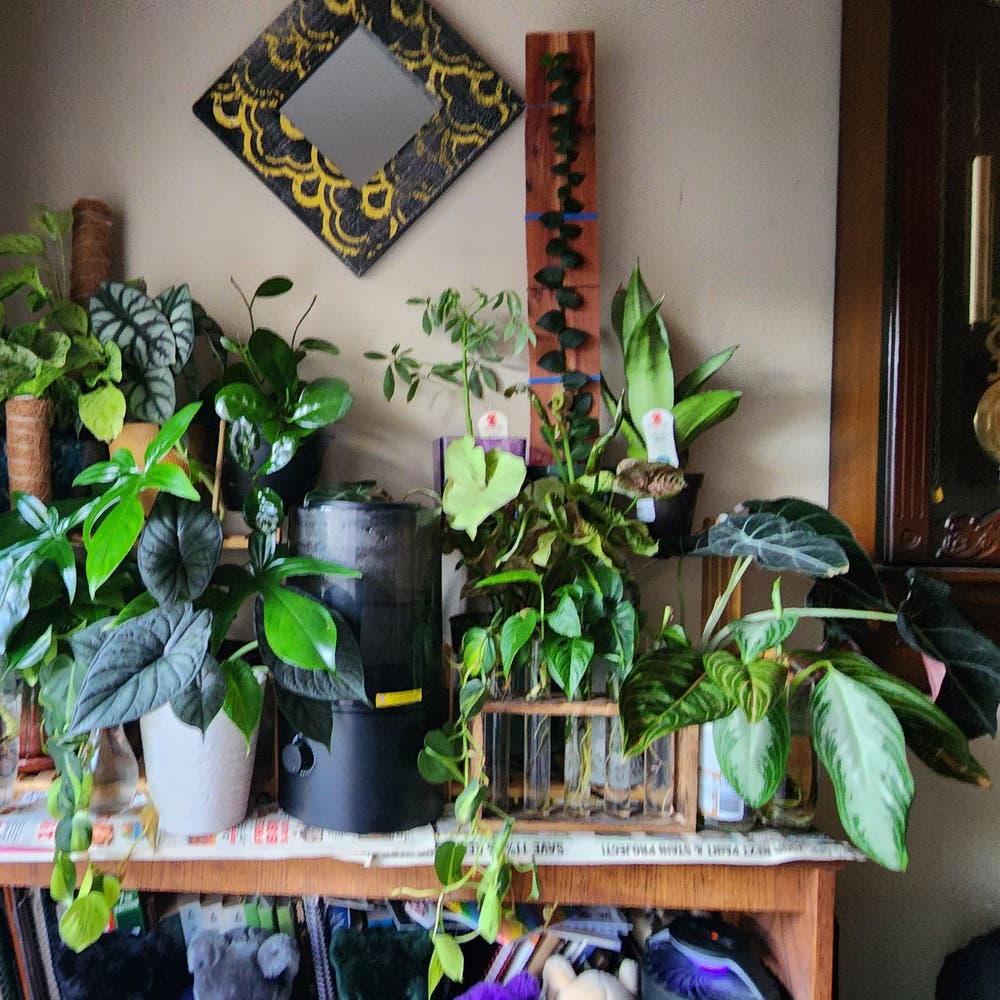
Grouping plants together can also help create a more humid microenvironment.
🌸 Spring Preparation and Recovery
🔍 Signs of Winter Damage
As spring approaches, look for signs of winter damage, such as wilting or yellowing leaves. Stunted growth may also indicate stress or frost damage.
🛠️ Steps for Recovery
- Assess damage: Identify affected areas and prune as necessary.
- Adjust care: Gradually increase watering and resume fertilization.
- Monitor for pests: Check for infestations that may arise from stress.
🌱 Preparing for Spring Growth
Gradually expose your Hoya to increased light as winter fades. Begin a fertilizing schedule with diluted fertilizer as new growth appears.
🐛 Pest Management
🐜 Common Pests
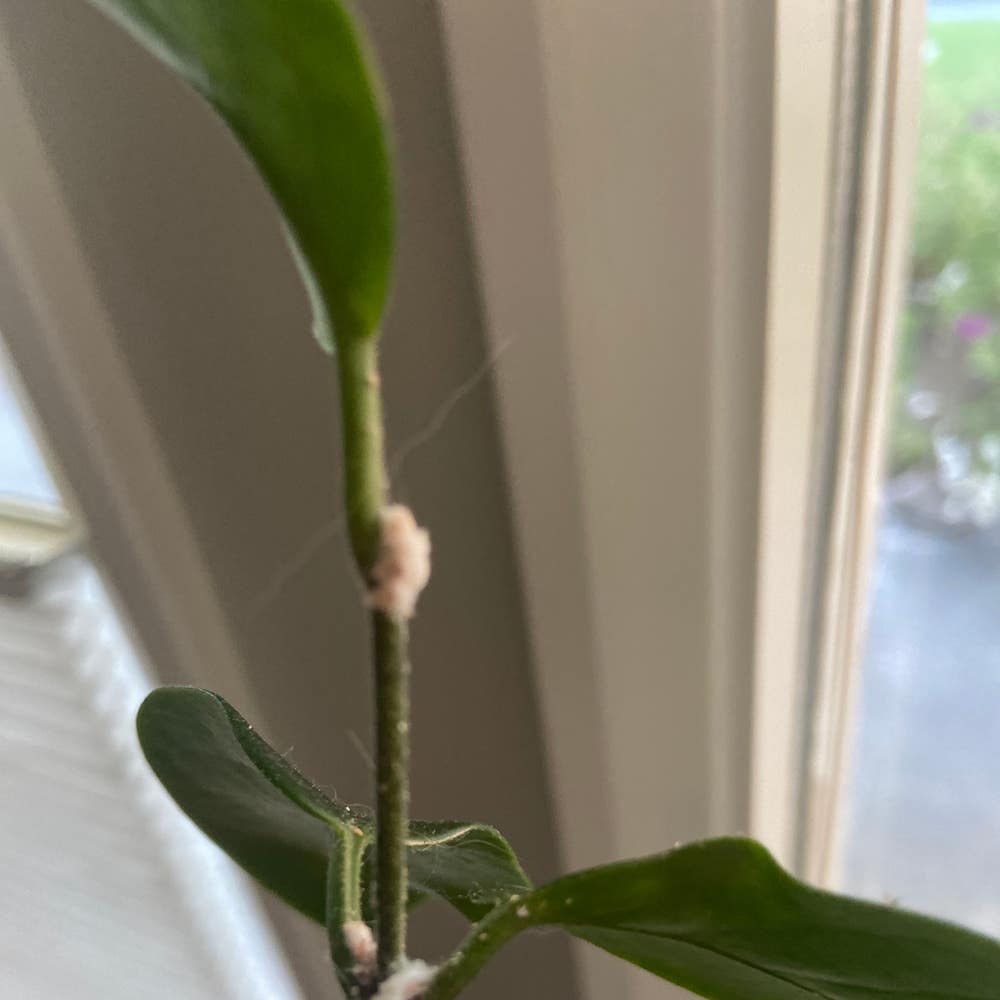
Keep an eye out for common pests like mealybugs, which appear as white, cotton-like spots on leaves. Spider mites may also be present, causing stippling on foliage.
🛡️ Preventative Measures
Regular inspections are key; check for signs of pests every few weeks. Cleaning leaves with a damp cloth helps remove dust and potential pests.
If you detect any issues, consider using neem oil or insecticidal soap as a preventative treatment.
By following these winter care tips, your Hoya 'Bordvare' will thrive and be ready for a vibrant spring. Next, let’s explore how to prepare for spring growth and recovery.
⚠️ Safety First
This content is for general information and may contain errors, omissions, or outdated details. It is not medical, veterinary advice, or an endorsement of therapeutic claims.
Always consult a qualified healthcare professional before using any plant as food, medicine, or supplement.
Never eat any plant (or feed one to pets) without confirming its identity with at least two trusted sources.
If you suspect poisoning, call Poison Control (800) 222-1222, the Pet Poison Helpline (800) 213-6680, or your local emergency service immediately.
Spotted an error? Please report it here.
Prepare your Hoya 'Bordvare' for winter with smart care tips ❄️ from Greg, who’ll send you reminders for watering and humidity to keep your plant thriving through dormancy!