4 Tips for Healthy Hoya 'Bordvare' Roots 🥕
Hoya australis 'Bordvare'
By the Greg Editorial Team
Sep 28, 2024•5 min read
This article was created with the help of AI so we can cover more plants for you. May contain errors. See one? Report it here.
- 🌱 Healthy roots are vital for nutrient absorption and vibrant Hoya 'Bordvare' growth.
- 💧 Water every 1-2 weeks to prevent yellowing leaves and root rot.
- 🌿 Transplant in spring for optimal root expansion and plant health.
Root System Characteristics
Hoya 'Bordvare' boasts a fibrous root system that plays a crucial role in nutrient absorption. This unique structure is not just for show; it’s essential for the plant's overall health.
🌱 Adaptable Root Structure
The roots are shallow yet wide-spreading, allowing them to adapt well to various pot sizes. This adaptability ensures that the plant can thrive in different environments, making it a favorite among plant enthusiasts.
🌿 Efficient Nutrient Uptake
These roots are efficient in nutrient uptake, which directly contributes to the plant's vitality. A healthy root system means a healthier plant, leading to lush foliage and vibrant blooms.
Understanding these characteristics is key to nurturing your Hoya 'Bordvare'. With the right care, you can ensure that these roots continue to support your plant's growth and beauty.
Next, we’ll delve into the specifics of root depth, spread, and growth patterns to further enhance your understanding of this remarkable plant.
Root Depth, Spread, and Growth Patterns
Root Depth and Spread 🌱
Hoya 'Bordvare' typically features a shallow root depth, generally ranging from 6 to 12 inches. However, its roots can spread impressively, extending up to 24 inches in diameter, depending on the pot size.
Growth Patterns 🌿
During the growing season—spring and summer—these roots grow rapidly, seeking nutrients and stability. They adapt well to various soil types but thrive best in well-draining mixes, ensuring optimal health and growth.
Understanding these root characteristics is essential for nurturing your Hoya 'Bordvare'. With the right care, you can support its vibrant growth and ensure it flourishes beautifully.
Next, let’s explore the crucial aspects of watering, fertilizing, and transplanting to keep your plant thriving.
Watering, Fertilizing, and Transplanting
Watering Needs 🌊
Monitoring soil moisture is crucial for Hoya 'Bordvare' to thrive. Overwatering can lead to yellowing leaves and mushy roots, so aim to water every 1-2 weeks based on environmental conditions.
Fertilization Techniques 🌱
Using a balanced NPK fertilizer, such as 10-10-10, will support healthy growth. Fertilize monthly during the growing season, but remember to dilute the fertilizer to prevent root burn.
Transplanting Best Practices 🌼
The best time to transplant your Hoya 'Bordvare' is early spring, just before the growing season kicks off. When repotting, choose a pot that is 1-2 inches larger in diameter to give those roots room to expand.
Understanding these essential care practices will set your Hoya 'Bordvare' up for success. Next, let’s dive into common root-related issues and how to tackle them effectively.
Common Root-Related Issues
Identifying Problems 🌱
Root health is crucial for your Hoya 'Bordvare'. One of the most common issues is root rot, which presents as dark, mushy roots accompanied by a foul odor.
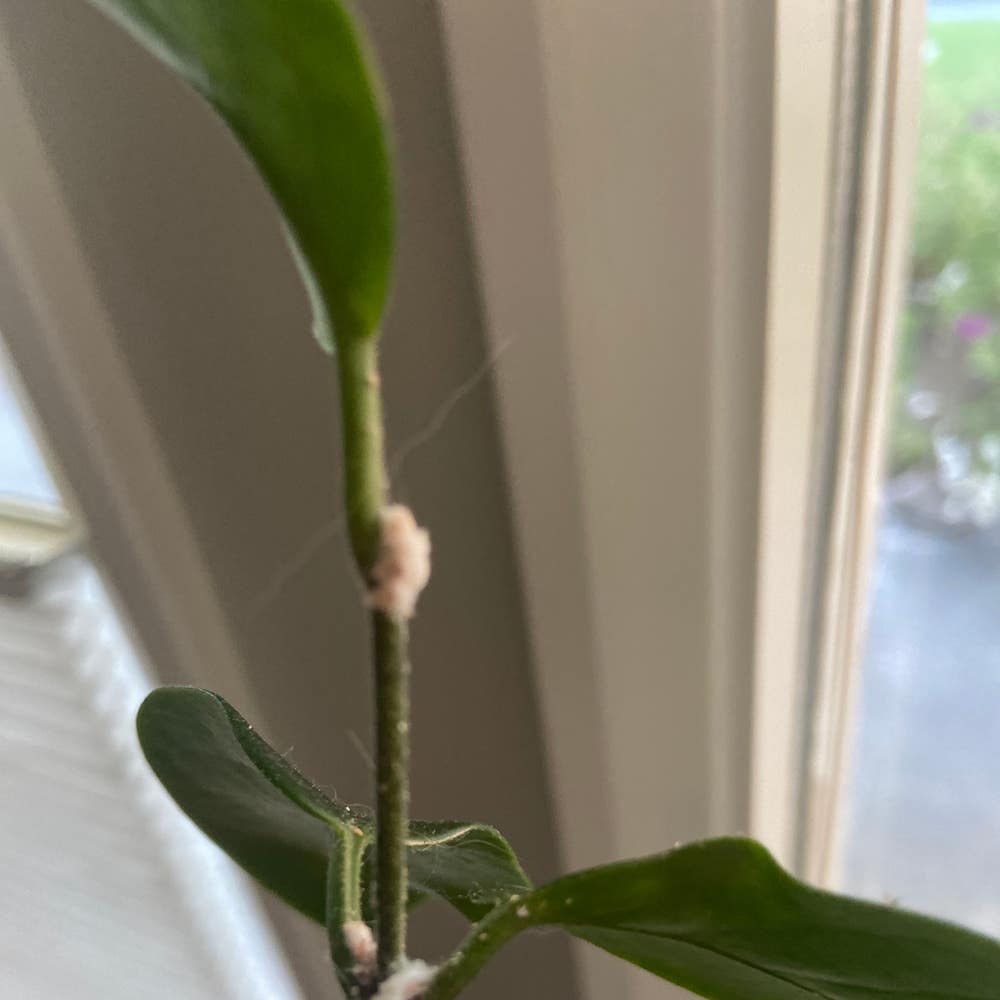
Additionally, pests like root aphids can wreak havoc on your plant's root system. These pests can lead to stunted growth and overall plant decline.
Solutions and Preventive Measures 🛠️
Preventing root rot starts with ensuring well-draining soil. Combine this with proper watering techniques to keep your plant thriving.
If you do encounter root rot, act quickly. Remove the affected roots and repot your Hoya in fresh, dry soil to give it a fighting chance.
By staying vigilant and proactive, you can maintain a healthy root system and enjoy a flourishing Hoya 'Bordvare'. Next, we’ll explore how to recognize and address rootbound conditions to keep your plant growing strong.
Root Health Indicators
Visual Cues 🌱
Healthy roots are a gardener's dream. Look for roots that are firm and exhibit a white or light tan color, indicating vitality.
In contrast, unhealthy roots present a worrying sight. If you notice dark, mushy, or slimy textures, it’s a clear sign that something is amiss.
Other Indicators 🌿
Beyond the roots, the overall vigor of your Hoya 'Bordvare' tells a story. Pay attention to leaf color, growth rate, and flowering; these factors reflect the plant's health.
Soil moisture retention is another key indicator. Consistent moisture levels can help you gauge whether your plant is thriving or struggling.
Understanding these root health indicators is essential for maintaining a robust Hoya 'Bordvare'. With this knowledge, you can ensure your plant remains vibrant and flourishing.
Next, let’s explore how to recognize and address rootbound conditions to keep your plant growing strong.
Recognizing and Addressing Rootbound Conditions
🌀 Definition and Signs
Rootbound conditions occur when a plant's roots circle the pot, leading to limited growth space. You can spot this issue if you notice stunted growth or roots pushing out from the pot's surface.
⚒️ Intervention Steps
Timing is crucial for intervention; act when growth slows or roots become visible. Here’s how to resolve rootbound conditions effectively:
- Gently remove the plant from its pot.
- Trim any circling roots to encourage new growth.
- Repot the plant in a larger container filled with fresh soil.
Addressing rootbound conditions promptly can rejuvenate your Hoya 'Bordvare', allowing it to thrive once more. Understanding these signs and steps ensures your plant remains healthy and vibrant.
Propagation and Division
🌱 Importance of Root Health
Healthy roots are the backbone of successful propagation through cuttings. When roots are robust, they support new growth and ensure your Hoya 'Bordvare' thrives.
To maintain root health during propagation, consider these best practices:
- Use clean, sharp tools to avoid introducing pathogens.
- Choose healthy parent plants for cuttings, as their root health will influence the new growth.
✂️ Techniques for Successful Division
Timing is key for division, with early spring or late summer being the ideal windows. This allows the plant to recover and grow vigorously.
Follow these steps for successful division:
- Gently remove the plant from its pot, taking care not to damage the roots.
- Carefully separate the roots into sections, ensuring each section has healthy roots attached.
- Repot each section in suitable soil and water lightly to encourage establishment.
By following these techniques, you’ll set your Hoya 'Bordvare' up for success, ensuring it continues to flourish. Next, we’ll explore how to recognize and address rootbound conditions to keep your plant thriving.
⚠️ Safety First
This content is for general information and may contain errors, omissions, or outdated details. It is not medical, veterinary advice, or an endorsement of therapeutic claims.
Always consult a qualified healthcare professional before using any plant as food, medicine, or supplement.
Never eat any plant (or feed one to pets) without confirming its identity with at least two trusted sources.
If you suspect poisoning, call Poison Control (800) 222-1222, the Pet Poison Helpline (800) 213-6680, or your local emergency service immediately.
Spotted an error? Please report it here.
Nurture your Hoya 'Bordvare' roots with proper care for vibrant blooms 🌼, and let Greg guide you with personalized reminders and tips to keep your plant thriving!