How Can You Tell If A Hoya australis 'Bordvare' Is Dying?
Hoya australis 'Bordvare'
By the Greg Editorial Team
Jun 18, 2024•6 min read
This article was created with the help of AI so we can cover more plants for you. May contain errors. See one? Report it here.
- Wilting or yellowing leaves? Adjust water and light for Hoya health.
- 🌡️ Keep temperatures stable between 60-75℉ to prevent Hoya distress.
- 🕵️♂️ Watch for pests and root rot—treat with neem oil or repotting.
Spotting Trouble: Key Distress Signals in Hoya australis 'Bordvare'
🥀 Wilting Woes: Identifying Dehydration and Overhydration
Wilting leaves are your Hoya's way of saying it's thirsty—or drowning. If they droop like a deflated balloon, check the soil. Bone dry? Time to water. Mushy and wet? You've overdone it. Adjust your watering to match your plant's silent pleas for help.
🎨 Color Clues: Decoding Yellowing and Browning Leaves
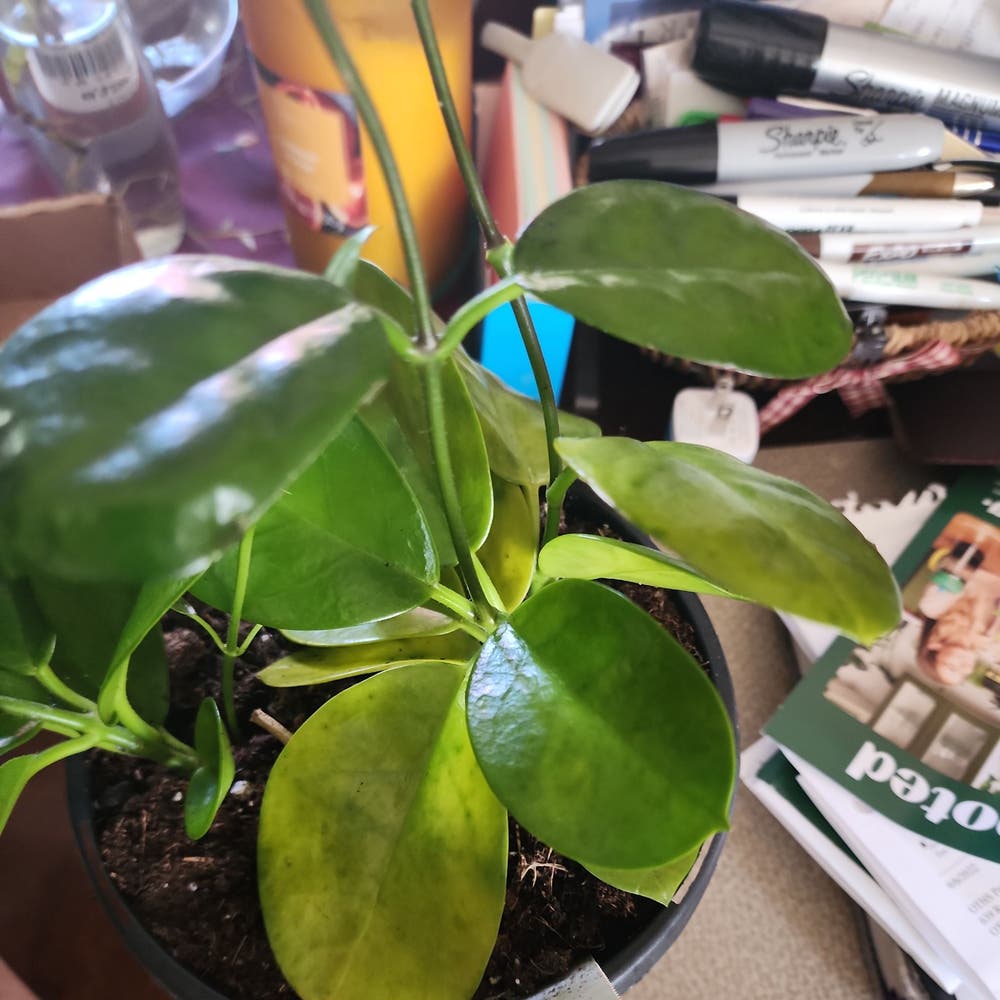
Yellow leaves can scream "nutrient deficiency" or "too much water!" Browning tips often whisper of dry air or scorching sun. Observe the changes in your Hoya's leaves; they're the best indicators of its health.
🌱 Growth Gripes: When Your Hoya Isn't Growing as It Should
Stunted growth is a red flag. It's not just being lazy; it could be a sign of poor nutrition or inadequate light. Ensure your Hoya gets the right balance of light, water, and nutrients to thrive, not just survive.

Water Woes: Striking the Right Balance
💧 Too Much of a Good Thing: Signs of Over-watering
Yellowing leaves are the classic distress signal of too much water. If the soil feels swampy days after watering, it's a sign to ease up. Overly generous watering can lead to a soggy demise for your Hoya australis 'Bordvare'.
🏜️ High and Dry: Recognizing under-watering
When leaves droop like they've lost all hope, it's a cry for hydration. Soil that crumbles to the touch is screaming for water. Under-watering can leave your Hoya looking more parched than a desert wanderer.
🚰 The Perfect Sip: Tips for consistent watering practices
Watering is an art form, not a science experiment. Adjust your routine to the plant's feedback—perky leaves post-watering mean you've struck gold. Aim for soil that's damp, not drenched, and let it dry slightly between waterings. Remember, consistency is key, but don't be a slave to the calendar. Adjust with the seasons—your Hoya's thirst changes with the weather. If you're forgetful, set a reminder or consider a self-watering pot. For the unsure, a moisture meter can be a lifesaver, taking the guesswork out of when to water.

Light and Temperature: Finding the Sweet Spot
🌞 Light Levels
Too Bright or Too Dim: Understanding the light needs of Hoya australis 'Bordvare'
Hoya australis 'Bordvare' thrives in bright, indirect light. Direct sunlight can turn its leaves into crispy critters, while too little light leaves it reaching for more. Aim for that sweet spot where the sun gently kisses the leaves without leaving a burn.
Adjusting Your Hoya's Sunbath: Solutions for light-related stress
If your Hoya's leaves are paler than a ghost, it's time to move it closer to a light source. Conversely, signs of sunburn mean a retreat to shadier realms is in order. No natural light? LED grow lights are your friend, offering a spectrum that keeps your Hoya happy without the risk of sun damage.
🌡️ Temperature Tolerance
Feeling the Heat: Protecting your Hoya from temperature extremes
Keep your Hoya australis 'Bordvare' away from the drama of temperature swings. It's not a fan of the spotlight, nor does it enjoy a cold shoulder. Maintain a steady 60-75℉ to avoid turning your plant's life into a telenovela.
Keeping it Cool: Ensuring a stable environment for your Hoya
Avoid placing your Hoya near drafty windows or heat sources. These spots are like the Bermuda Triangle for stable temperatures. Instead, find a cozy nook with consistent warmth and no surprises. Remember, your Hoya's comfort zone is key to its survival.

Pests and Pathogens: Defending Your Hoya
🐜 Unwanted Guests: Identifying Common Pests in Hoya australis 'Bordvare'
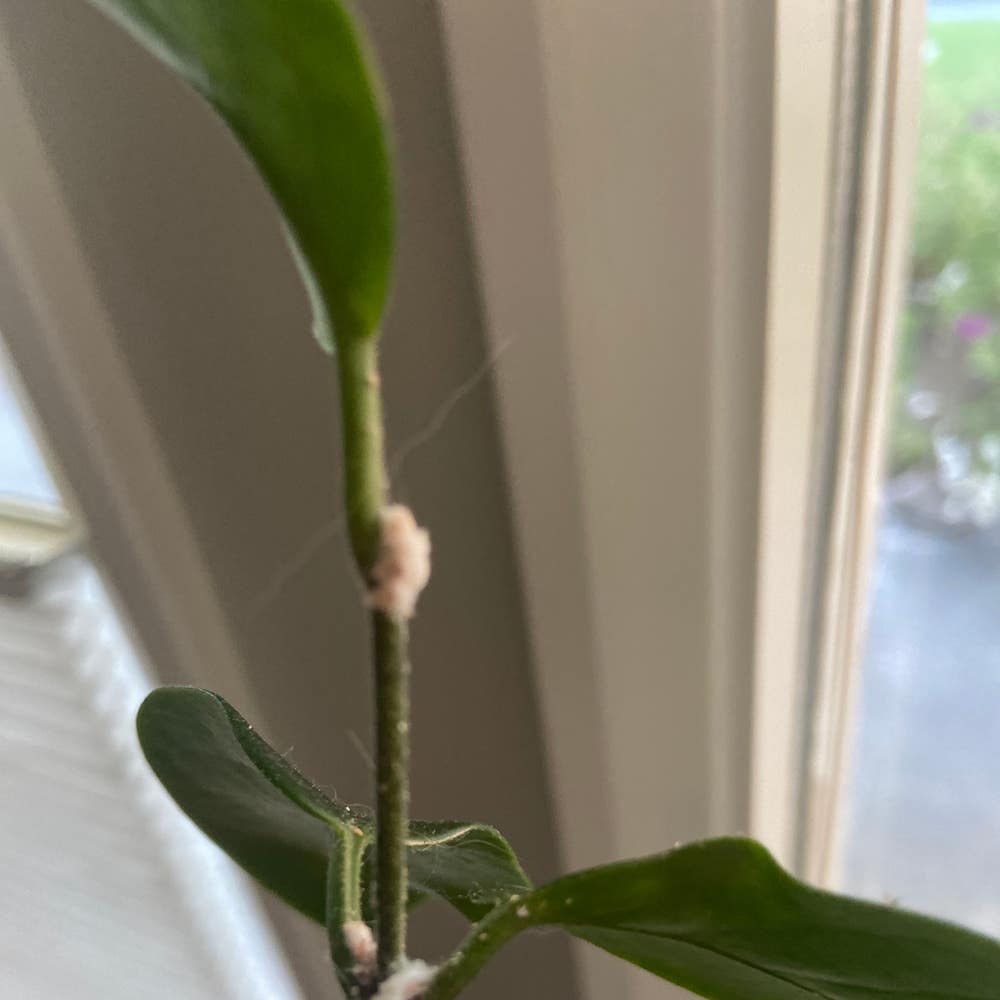
Aphids, mealybugs, and spider mites are the trio of trouble for your Hoya australis 'Bordvare'. These pests are like unwanted guests at a party, and they can be a real headache. Sticky residue on leaves or stems is a dead giveaway that aphids are sucking the life out of your plant. Mealybugs leave cotton-like clumps that make your Hoya's leaves their home. And if you see pale, stippled leaves or fine webbing, you've got spider mites trying to set up camp.
🍄 Fungal Foes: Spotting Signs of Mold and Mildew
Fungi are the silent invaders in the plant world, often going unnoticed until it's too late. Brown spots with a yellow halo are the classic signs of a fungal infection. Powdery mildew, which looks like someone dusted your Hoya with flour, is another common culprit. These signs are your cue to increase airflow and keep those leaves dry.
⚔️ Fight Back: Effective Treatments for Pests and Pathogens
When it comes to treatment, think of yourself as a plant doctor on the front lines. For pests, insecticidal soap or neem oil can be your first line of defense—safe but effective. As for fungi, removing affected leaves and applying a fungicide can help stop the spread. Always remember, prevention is better than cure. Keep a clean environment, inspect your plants regularly, and isolate new additions to your plant family to prevent outbreaks.
Root Rot: The Silent Killer
🌧️ Soggy Soil and Sluggish Roots: Early Detection of Root Rot
Root rot doesn't wave a flag to announce its arrival; it's a stealthy invader. Soggy soil is its breeding ground, and a plant that stops growing is waving a red flag. If your Hoya australis 'Bordvare' has leaves that feel like overripe fruit, it's time to play detective.
A foul odor emanating from the pot is the equivalent of a plant's cry for help. Mushy, discolored roots? That's the smoking gun. Don't ignore these signs. It's time to take action before your Hoya's roots turn into a gothic nightmare of dark and slimy tendrils.
🚑 Damage Control: Steps to Rescue a Hoya with Root Rot
First, let's not sugarcoat it: root rot is bad news. But it's not always a death sentence. Start by gently removing your Hoya from its pot—think of it as a careful excavation. Inspect the roots. Healthy ones are firm and white, while rotten ones are as appealing as overcooked noodles.
Next, it's surgery time. Prune away the rotten roots with sterilized scissors. Be thorough but gentle; you're a surgeon, not a lumberjack. Then, give your Hoya a fresh start with sterile, well-draining soil and a clean pot. Think of it as moving your plant from a dingy basement to a condo with great airflow.
Finally, adjust your watering habits. If the soil feels damp, hold off on watering. Your Hoya isn't a camel; it doesn't need to store water. And remember, pots with drainage holes are non-negotiable. They're as essential as oxygen masks on an airplane.
Regular check-ups are key. Keep an eye on your Hoya like it's a reality TV star. Notice changes and adjust care accordingly. With vigilance and a bit of luck, you can turn the tide against root rot.
⚠️ Safety First
This content is for general information and may contain errors, omissions, or outdated details. It is not medical, veterinary advice, or an endorsement of therapeutic claims.
Always consult a qualified healthcare professional before using any plant as food, medicine, or supplement.
Never eat any plant (or feed one to pets) without confirming its identity with at least two trusted sources.
If you suspect poisoning, call Poison Control (800) 222-1222, the Pet Poison Helpline (800) 213-6680, or your local emergency service immediately.
Spotted an error? Please report it here.
Revive your Hoya's health and prevent future distress by using Greg's 🌱 custom care schedule to perfectly balance watering, lighting, and pest control.