🐛 What To Do About Bugs on My Hoya australis 'Bordvare'?
Hoya australis 'Bordvare'
By the Greg Editorial Team
Jun 18, 2024•3 min read
This article was created with the help of AI so we can cover more plants for you. May contain errors. See one? Report it here.
- 🕷️ Spider mites and mealybugs: Neem oil and insecticidal soap are effective.
- 💦 Aphids and scale insects: Water blast and horticultural oil for control.
- 🌱 Prevent pests: Inspect regularly, quarantine new plants, and ensure proper watering.
Spot the Invaders: Identifying Common Pests
🕷️ Spider Mites
Fine webbing and leaf stippling are the red flags for spider mites. These tiny terrors can be red, black, or brown and love dry conditions.
🐞 Scale Insects
Look for waxy bumps on stems and leaves. These stationary sap-suckers can cause yellowing and stunted growth.
🦟 Fungus Gnats and Fruit Flies
A cloud of tiny black flies around your plant? You've got fungus gnats or fruit flies. Their larvae love to party in moist soil.
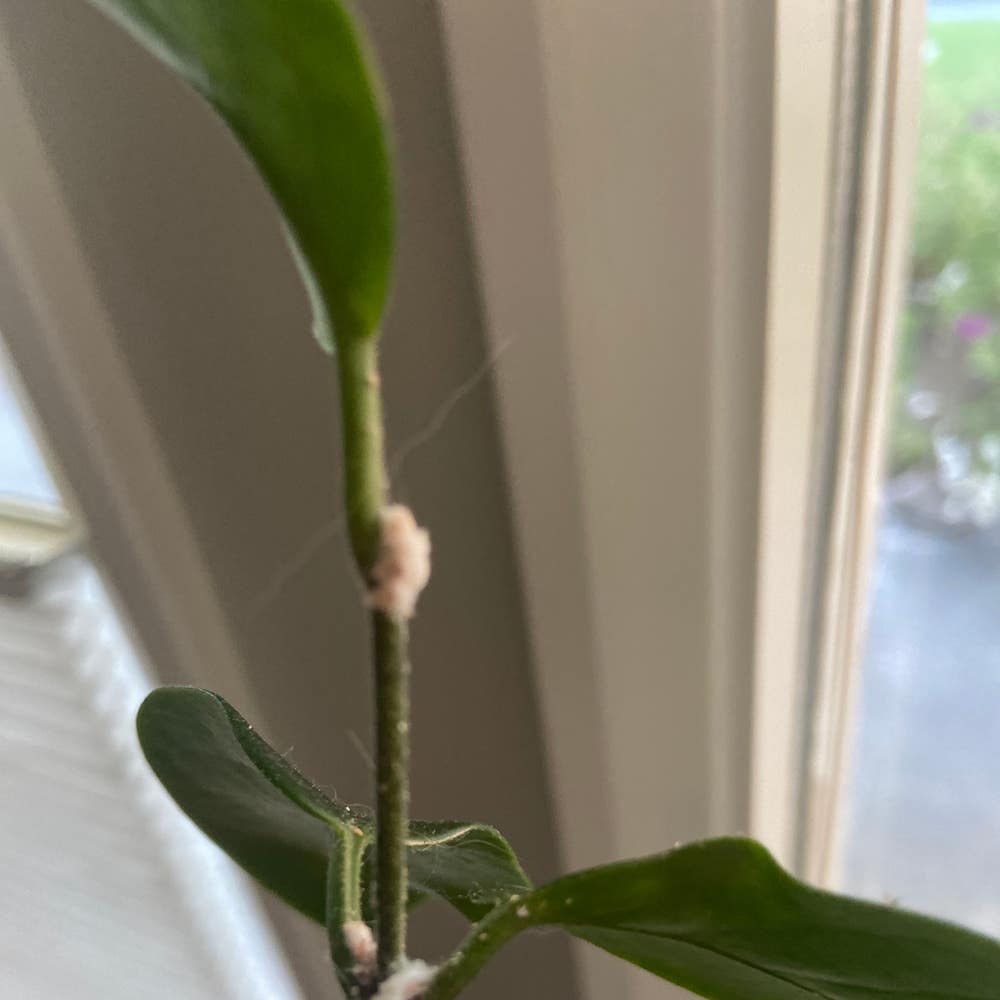
🦠 Mealybugs
Cottony clusters on your plant are a dead giveaway for mealybugs. They're like tiny vampires, feeding on your plant's sap.
🦗 Thrips
Silvery scars and black specks on leaves mean thrips have arrived. They're not just ugly; they're harmful.
🐜 Aphids
Aphids are the clingy types, found in clusters on new growth. They leave behind sticky leaves and can cause curling or stunted leaves.

Battle Tactics: Effective Remedies for Each Pest
🕷️ Spider Mites
Neem oil and insecticidal soap are your MVPs against spider mites. Ensure every leaf, both top and bottom, is thoroughly coated. This isn't a light misting; it's a full-on leaf lathering.
🦠 Scale Insects
For scale insects, it's a two-pronged attack: manual removal and horticultural oil. Pluck them off like you're picking off tiny, parasitic hitchhikers. If they're stubborn, douse them in neem oil or insecticidal soap, applied with the precision of a plant-saving sniper.
🦟 Fungus Gnats and Fruit Flies
To combat fungus gnats and fruit flies, start by letting the soil dry out between waterings. Then, deploy sticky traps to capture the adult flyers. It's a simple yet effective one-two punch.
🐞 Mealybugs
Alcohol swabs are the kryptonite of mealybugs. Swipe them off with the determination of a plant parent on a mission. For a broader approach, insecticidal soap or neem oil will smother these pests in their tracks.
🦗 Thrips
Thrips are no match for predatory insects like ladybugs or predatory mites. It's nature's way of saying, "Not on my watch!" If you prefer a more direct approach, neem oil and insecticidal soap are also effective.
🦗 Aphids
Aphids detest a strong jet of water. Blast them off with the force of a mini pressure washer. Follow up with neem oil to ensure these clingy pests get the message.

Fortify Your Plant: Preventative Measures Specific to Hoya australis 'Bordvare'
👀 Regular Recon: Inspecting Your Plant for Early Detection
Vigilance is your best friend when it comes to pest prevention. Make it a habit to inspect your Hoya australis 'Bordvare' regularly. Look for early warning signs like unusual leaf spots or sticky substances. It's like playing detective, but instead of fingerprints, you're looking for bug prints.
🚪 Quarantine Quarters: Keeping New Plants at Bay
New plants can be like uninvited guests with questionable hygiene—potentially bringing pests into your plant family. Isolate new additions for a few weeks to ensure they're not harboring any critters. Think of it as a mandatory plant probation period.
💨 Airflow and Watering Wisdom: Creating an Unfriendly Environment for Pests
Good airflow is like a constant, gentle breeze that tells pests to take a hike. Ensure your Hoya australis 'Bordvare' isn't suffocating in still air. When it comes to watering, less is often more. Overwatering is the equivalent of throwing a pest house party. Water only when the soil feels dry to the touch, and you'll be less likely to attract unwanted soil dwellers.

⚠️ Safety First
This content is for general information and may contain errors, omissions, or outdated details. It is not medical, veterinary advice, or an endorsement of therapeutic claims.
Always consult a qualified healthcare professional before using any plant as food, medicine, or supplement.
Never eat any plant (or feed one to pets) without confirming its identity with at least two trusted sources.
If you suspect poisoning, call Poison Control (800) 222-1222, the Pet Poison Helpline (800) 213-6680, or your local emergency service immediately.
Spotted an error? Please report it here.
Keep your Hoya australis 'Bordvare' thriving and bug-free 🐛 with Greg's tailored reminders to schedule inspections and treatments, making plant care easier and more effective.