💧 Why Are My Hoya australis 'Bordvare' Leaves Mushy?
Hoya australis 'Bordvare'
By the Greg Editorial Team
Jun 18, 2024•5 min read
This article was created with the help of AI so we can cover more plants for you. May contain errors. See one? Report it here.
- Mushy leaves signal distress; halt watering and improve soil drainage.
- Inspect roots and trim damage to help your Hoya recover.
- Regular checks and seasonal care adjustments keep Hoya healthy.
Spotting Trouble Early
🚨 Signs of Distress: Identifying Mushy Leaves Before It's Too Late
Mushy leaves are the Hoya's white flag of surrender to distress. They should feel firm, not like a squishy peach. If you notice any leaves that resemble a wet paper towel, it's a clear sign that your plant is in trouble. Discoloration, such as brown or black spots, is another distress signal. It's like your Hoya is sending an SOS—don't ignore it.
🕵️ Quick Checks: How to Regularly Monitor Your Hoya's Health
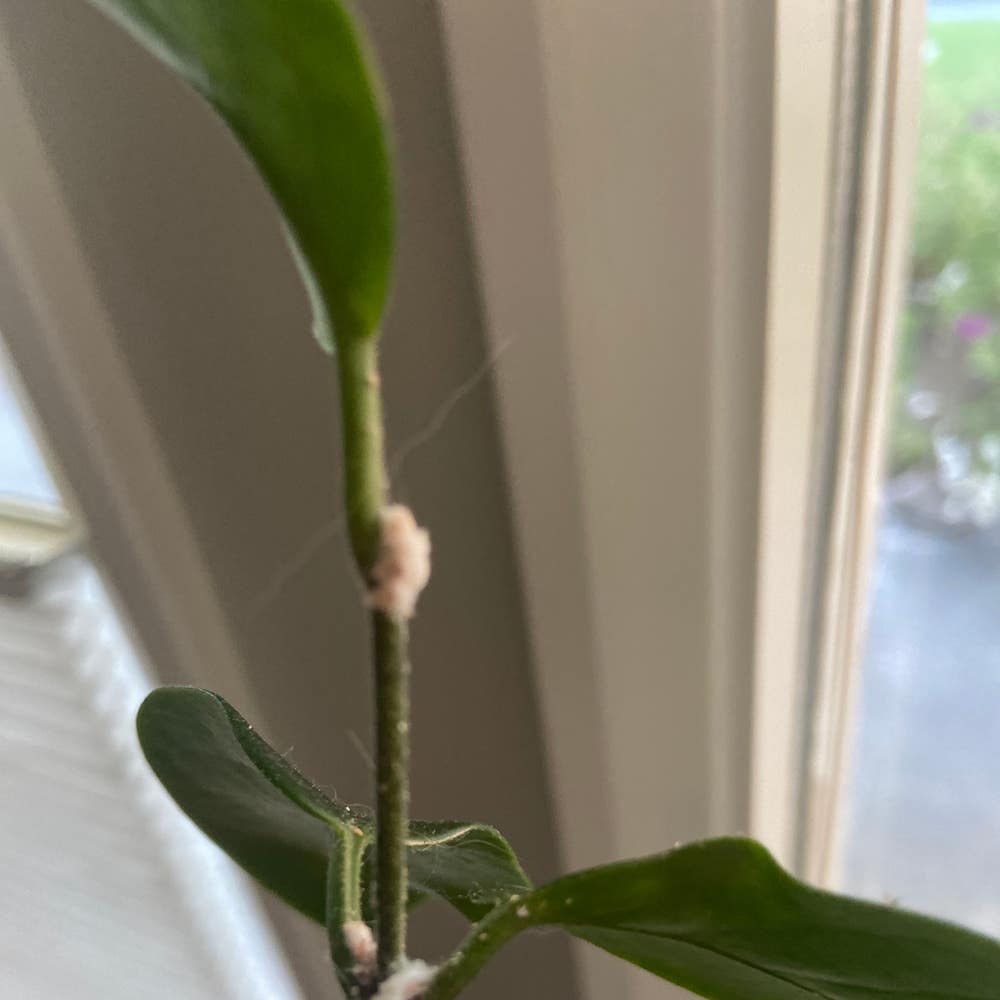
Make plant check-ups part of your routine, like brushing your teeth but for your Hoya. Inspect leaves for any freeloaders—pests like spider mites or aphids. If you spot them, act fast; isolate your plant as if it's contagious. Use your senses; touch the soil—too wet? Your watering might be overzealous. A quick glance can reveal yellowing or drooping leaves, often gatecrashers at the mushy leaf party. Remember, your Hoya isn't just being dramatic; it's communicating. Listen closely, and you'll be rewarded with lush, healthy leaves.

Immediate Actions to Rescue Your Hoya
🚱 Halt the Water
Stop watering immediately. Your Hoya australis 'Bordvare' is not a fan of soggy feet. If the soil feels wetter than a soaked sponge, it's time to give your watering can a rest.
💡 Quick Fix for Soggy Soil
Move your plant to a brighter spot to encourage drying. If the soil is as effective at draining as a sealed bottle, it's time to intervene.
🚰 Improving Drainage
Get your hands dirty and repot with a well-draining mix. Choose a pot with drainage holes that rival Swiss cheese. Consider adding perlite or pumice to the mix for an extra breathability boost.
🌱 Root Check
While you're at it, inspect the roots. If they're darker than your morning coffee and slimy, it's time for some surgery—trim away the damaged parts.
🕵️ Monitoring Post-Rescue
After these immediate actions, keep a watchful eye. Adjust your care routine as your Hoya recovers. Patience is key; your plant won't bounce back overnight.
Remember, your Hoya's health is in your hands. Act swiftly, but thoughtfully, to bring your leafy friend back from the brink.

Long-Term Strategies to Keep Leaves Firm
💧 Perfecting the Pour
Consistency is your mantra when it comes to watering Hoya australis 'Bordvare'. Forget about watering on a schedule; your plant doesn't wear a watch. Instead, check the soil moisture before each watering—aim for damp, not drenched. Use your finger or a moisture meter to take the guesswork out of the equation.
🏡 The Right Home
Choosing the right pot and soil mix for your Hoya is like picking a tailored suit—it needs to fit just right. Well-draining soil is non-negotiable. Mix in ingredients like coco coir and perlite for that airy, light texture. As for pots, think drainage holes and terracotta—they're the dynamic duo of root health.
🌱 Root Revival
If root rot has already gatecrashed the party, it's time for an intervention. First, inspect the roots—healthy ones are firm and white, not mushy or brown. If they're in bad shape, trim the damage and repot in fresh, well-draining soil. Remember, a cozy pot size prevents excess moisture from overstaying its welcome.

Monitoring and Maintenance to Prevent Future Flops
👀 Keeping an Eye Out: Routine Checks for Early Signs of Mushiness
Consistency in your care routine is like the heartbeat of your Hoya australis 'Bordvare' health. Regular inspections are non-negotiable. Get hands-on; feel the leaves, check the stems, and scrutinize the soil. If the leaves start to feel like a squishy stress ball, it's a red flag.
🌦️ Seasonal Adjustments: Adapting Care with Changing Weather
As the seasons shift, so should your care strategy. Watering needs dial back in the cooler months and ramp up when the heat is on. It's like adjusting your layers for the weather—your Hoya needs that same kind of attention to stay comfortable. Use a hygrometer and thermometer to keep the environment from turning into a plant-unfriendly funhouse.
💧 Soil Moisture Management
Keep tabs on soil moisture like it's your social media feed. The top inch of soil should feel like a wrung-out sponge—not a soaked bath mat. If it's too dry, your Hoya will start to thirst like a marathon runner at the finish line.
🕵️ Inspection: Regular Check-Ups Catch Issues Early
Spot a problem? Act fast. If you find roots that resemble overcooked noodles, it's time for a root revival mission. Prune away the mush, and give your plant a fresh start with better drainage and a proper watering schedule.
🔄 Rotation: Even Growth and Symmetry
Rotate your Hoya with each watering. It's like giving it a well-rounded education; each side gets equal exposure to light, promoting balanced growth. Think of it as ensuring your plant doesn't develop a 'bad side.'
👁️ Vigilance: Subtle Changes in Leaf Color or Texture
Keep an eye out for any subtle changes. If your Hoya's leaves start to look like they're auditioning for a zombie movie, it's time to reassess your care routine. Adjust your watering, check for pests, and make sure your plant isn't sitting in a drafty spot or under a harsh sunbeam.
🧘 Stability: The Name of the Game
Your Hoya hates surprises more than a cat hates a sudden bath. Maintain stable watering, lighting, and temperature conditions to keep your plant from throwing a fit. It's about creating a zen garden of predictability for your leafy friend.
⚠️ Safety First
This content is for general information and may contain errors, omissions, or outdated details. It is not medical, veterinary advice, or an endorsement of therapeutic claims.
Always consult a qualified healthcare professional before using any plant as food, medicine, or supplement.
Never eat any plant (or feed one to pets) without confirming its identity with at least two trusted sources.
If you suspect poisoning, call Poison Control (800) 222-1222, the Pet Poison Helpline (800) 213-6680, or your local emergency service immediately.
Spotted an error? Please report it here.
Revive your Hoya's lush leaves 🌿 with Greg's soil moisture tracking and tap into a community of growers for extra troubleshooting support.