How to Fix Curling Leaves on Your Hoya australis 'Bordvare'
Hoya australis 'Bordvare'
By the Greg Editorial Team
Jul 21, 2024•3 min read
This article was created with the help of AI so we can cover more plants for you. May contain errors. See one? Report it here.
- 🌡️🍃 Stable environment crucial: Keep temperature 60-80°F and humidity 40-60%.
- 🌞 Bright, indirect light needed: Rotate plant for even growth and to reduce curl.
- 💧🔍 Monitor water and nutrients: Adjust watering by soil moisture; use correct fertilizers.
Diagnosing Leaf Curl
🌡️ Temperature and Humidity
- Leaves curling can indicate temperature stress; too hot and they may roll up, too cold and they might droop.
- Humidity levels are crucial; dry air leads to tight curls, while excessive moisture may cause leaves to become limp.
🌞 Light Exposure
- Watch for leaves bleaching and curling as a sign of too much direct sunlight.
- If leaves are stretching and curling, they're likely not getting enough light and are reaching for it.
💧 Water Imbalance
- Overwatering symptoms include soft, curled leaves and a soil consistency like a wet sponge.
- Underwatering will leave leaves dry and brittle, with soil as parched as a desert.
Treating Leaf Curl
🌡️ Stabilize Environment
Creating a stable environment is essential for the health of your Hoya australis 'Bordvare'. Here's how to keep your plant's climate just right:
- Maintain a consistent temperature, ideally between 60°F and 80°F, to avoid stress from fluctuations.
- Aim for humidity levels around 40-60%, using a humidifier or pebble tray if necessary.
💡 Optimize Lighting
Proper lighting is crucial for reversing leaf curl. To ensure your Hoya australis 'Bordvare' gets the light it needs:
- Provide bright, indirect light by positioning the plant near a window with sheer curtains or in a spot that receives filtered sunlight.
- Rotate the plant periodically to promote even growth and prevent curling.
💧 Balance Watering
Watering your Hoya australis 'Bordvare' correctly can help restore its leaf vigor. Here's a simple watering schedule to follow:
- Water when the top inch of soil feels dry to the touch, ensuring thorough hydration without waterlogging.
- Reduce watering frequency in winter when plant growth slows down.
Nutrient Management
🌿 Identify Deficiencies
Yellowing between leaf veins or leaf curling can be a cry for help from your Hoya australis 'Bordvare', often due to magnesium or potassium deficiencies. Here's how to spot the signs:
- Magnesium shortage: Look for interveinal yellowing and curling leaves.
- Potassium deficiency: Notice if the leaf edges appear burnt or if older leaves start curling and browning.
A soil test is invaluable—it's like a health check-up for your plant's soil, revealing any missing nutrients.
🌱 Fertilization Techniques
Once you've identified what's lacking, it's time to nurture your plant back to health. Here's how to correct deficiencies without causing further stress:
- For magnesium: Use Epsom salt foliar spray or incorporate dolomite lime into the soil.
- To boost potassium: Apply a potassium-rich fertilizer, such as potassium sulfate, but do so judiciously.
Remember, balance is crucial—over-fertilization can be as harmful as neglect. If you suspect nutrient overload, flush the soil with water to remove excess.
Prevention Strategies
🕵️♂️ Routine Observations
- Keep a close eye on your Hoya australis 'Bordvare' for early signs of leaf curl, such as slight bends or twists in the foliage.
- Act quickly if you notice any abnormalities, adjusting care practices to nip potential issues in the bud.
🔄 Consistent Care
- Establish a care routine that includes regular watering, balanced light exposure, and stable environmental conditions.
- Implement the following regimen to maintain plant health and prevent leaf curling:
- Water when the top inch of soil feels dry to the touch.
- Place the plant in bright, indirect light, rotating it occasionally for even growth.
- Maintain humidity around the plant using a pebble tray or misting.
- Fertilize every few months with a balanced, water-soluble fertilizer, being careful not to overfeed.
- Prune as needed to encourage healthy growth and remove any potentially affected leaves.
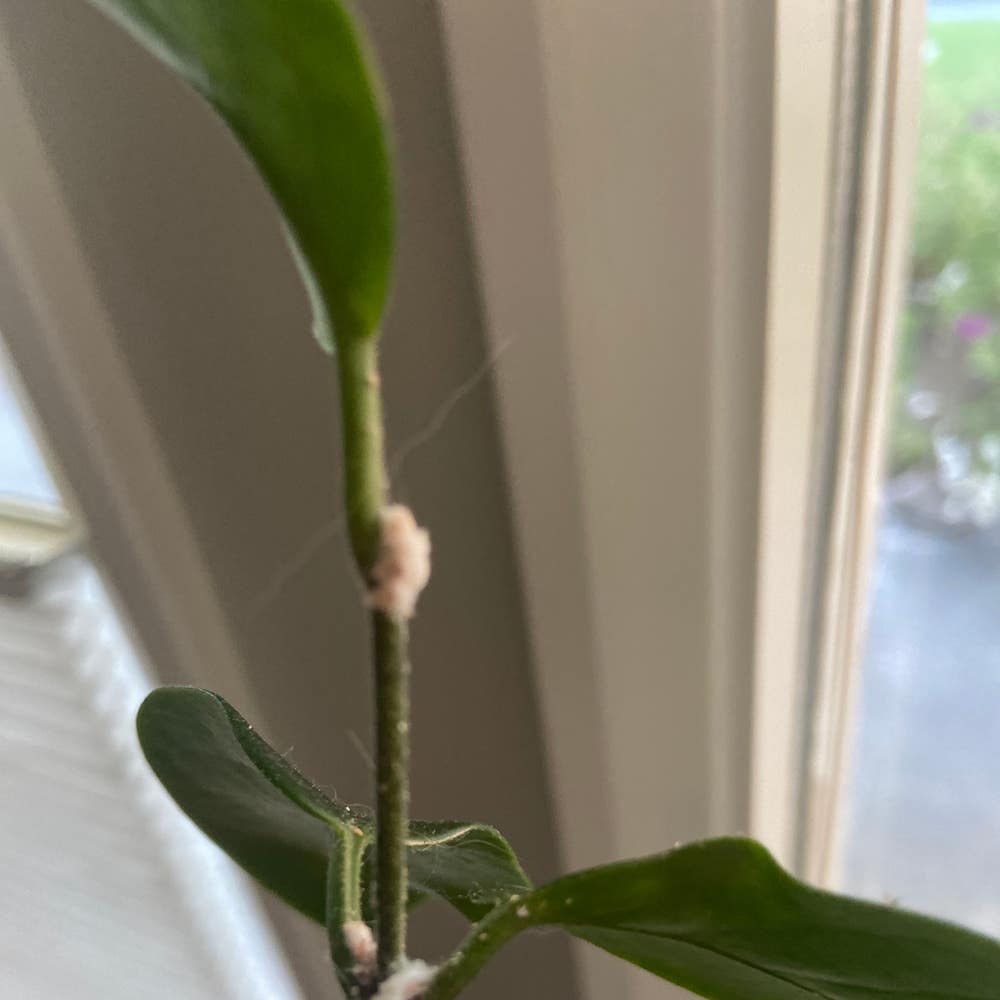
- Regularly inspect for pests and treat promptly with insecticidal soap or neem oil if necessary.
⚠️ Safety First
This content is for general information and may contain errors, omissions, or outdated details. It is not medical, veterinary advice, or an endorsement of therapeutic claims.
Always consult a qualified healthcare professional before using any plant as food, medicine, or supplement.
Never eat any plant (or feed one to pets) without confirming its identity with at least two trusted sources.
If you suspect poisoning, call Poison Control (800) 222-1222, the Pet Poison Helpline (800) 213-6680, or your local emergency service immediately.
Spotted an error? Please report it here.
Keep your Hoya australis 'Bordvare' leaves unfurled and fabulous 🌿 with Greg's guidance on striking the perfect care balance!