🌸 3 Factors Influencing Hoya 'Bordvare' Growth
Hoya australis 'Bordvare'
By the Greg Editorial Team
Sep 28, 2024•6 min read
This article was created with the help of AI so we can cover more plants for you. May contain errors. See one? Report it here.
- 🌱 Hoya 'Bordvare' germinates in 2-4 weeks; temperature and moisture are key factors.
- ☀️ Optimal growth requires bright, indirect light and a well-draining, slightly acidic mix.
- 🌼 Flowering maturity takes 2-3 years, with clusters of star-shaped flowers indicating health.
Germination Stage
🌱 Duration of Germination
The typical germination period for Hoya 'Bordvare' is around 2 to 4 weeks. This timeframe can vary based on several factors, including temperature, moisture levels, and the quality of the seeds.
🌡️ Conditions for Successful Germination
To ensure successful germination, maintaining an optimal temperature range of 20°C to 25°C (68°F to 77°F) is crucial.
Soil Requirements
Use a well-draining potting mix with a slightly acidic pH of 6.0 to 6.5. This creates a conducive environment for the seeds to thrive.
Moisture Levels
Consistent moisture is key, but avoid waterlogging. Too much water can suffocate the seeds and hinder their growth.
Light Exposure
Provide indirect sunlight to prevent scorching. Direct sunlight can be too harsh for young seedlings, so a gentle light source is ideal.
By carefully managing these conditions, you can set the stage for healthy germination and a robust start for your Hoya 'Bordvare'.
Next, we’ll explore the seedling stage and what to expect as your plant begins to grow.
Seedling Stage
Duration of Seedling Growth 🌱
The seedling stage of Hoya 'Bordvare' typically lasts 4-6 weeks until true leaves emerge. This duration can vary based on factors like light availability and nutrient levels in the soil.
Key Characteristics of Seedlings 🌿
During this stage, seedlings exhibit small, simple leaves that will eventually develop into the plant's signature waxy texture. Their growth habit is slow and steady, focusing on establishing a robust root system that will support future growth.
Importance of Light and Nutrients 💡
Providing adequate light and nutrients is crucial during this phase. Bright, indirect light encourages healthy development, while a balanced nutrient supply ensures that seedlings have what they need to thrive.
Observations on Seedling Care 👀
Caring for seedlings can be a rewarding experience. Watching them grow from tiny sprouts into more complex plants is a testament to your nurturing skills.
As seedlings mature, they set the stage for the next growth phase, where they will transition into the vegetative growth stage. This progression is vital for the overall health and vitality of your Hoya 'Bordvare'.
Vegetative Growth Stage
Duration of Vegetative Growth 🌱
The vegetative growth stage of Hoya 'Bordvare' lasts between 1 to 3 years. This duration can vary significantly based on environmental conditions, with the potential for rapid growth when conditions are ideal.
Changes in Leaf Structure and Size 🍃
During this stage, the leaves undergo notable changes. They grow larger and thicker, displaying unique patterns that add to the plant's aesthetic appeal.
Texture Evolution 🌿
As the plant matures, the texture of the leaves transitions from soft to waxy. This change not only enhances the plant's appearance but also improves its ability to retain moisture.
Importance of Light and Nutrients 💡
For optimal growth, Hoya 'Bordvare' requires bright, indirect light. Additionally, a balanced fertilizer should be applied every 4 to 6 weeks during the growing season to support healthy development.
Summary 📜
Understanding the vegetative growth stage is crucial for nurturing Hoya 'Bordvare'. By providing the right light and nutrients, you can encourage robust growth and vibrant foliage, setting the stage for future flowering.
Next, we will explore the flowering stage, where the plant showcases its stunning blooms.
Flowering Stage
Duration of Flowering 🌸
The flowering period for Hoya 'Bordvare' typically lasts 2-3 months, peaking in late spring to summer. This duration can be influenced by factors such as environmental stress and nutrient availability.
Conditions that Promote Flowering ☀️
To encourage blooming, ensure your plant receives increased light intensity during the growing season.
- Temperature: Aim for warm conditions between 22°C to 28°C (72°F to 82°F).
- Humidity: High humidity levels are essential to mimic its tropical origins.
Description of Flowers and Their Significance 🌼
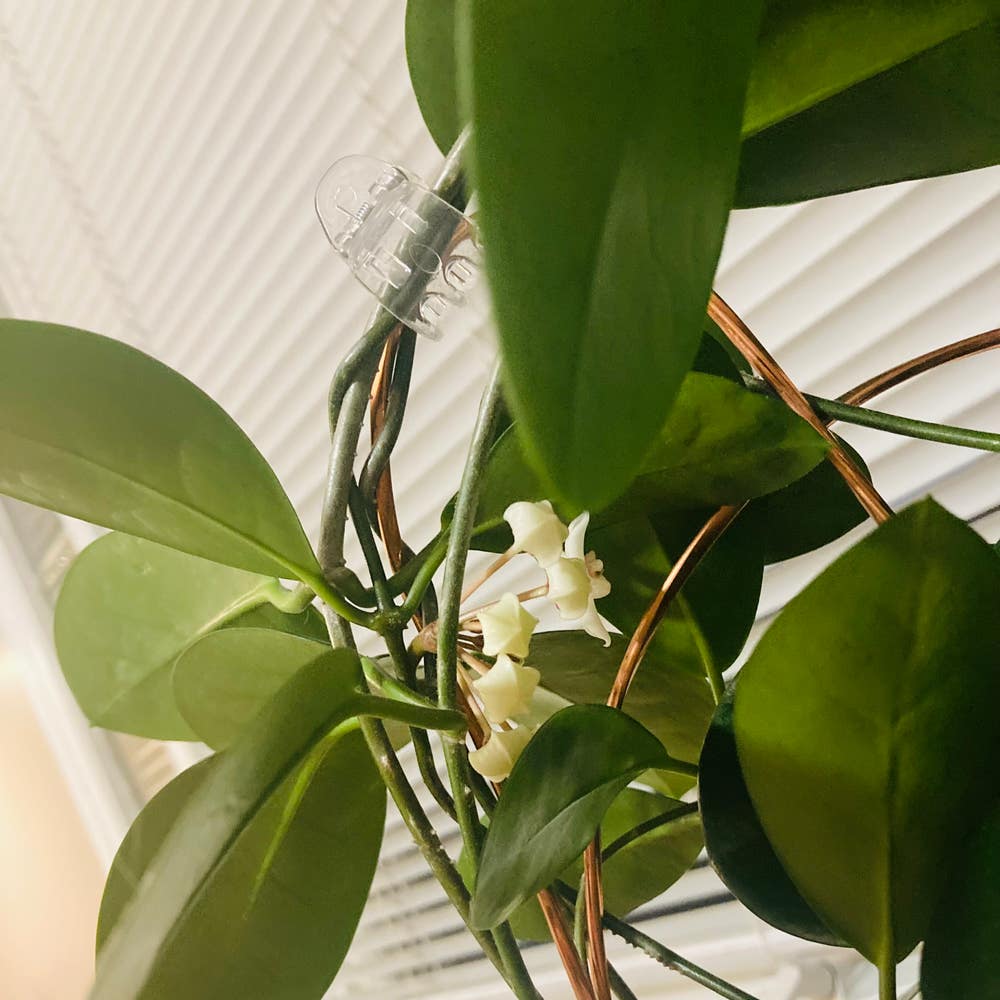
Hoya 'Bordvare' produces clusters of star-shaped flowers that come in various colors and fragrances.
These flowers are not just beautiful; they play a crucial role in attracting pollinators and serve as indicators of the plant's overall health.
With the right conditions, your Hoya can thrive and reward you with stunning blooms, enhancing both your space and your gardening experience.
As we explore the next stage, let's dive into the fascinating process of seed production.
Seed Production Stage
Duration and Process of Seed Production 🌱
The seed production stage for Hoya 'Bordvare' typically lasts 4-6 months from flowering to seed maturity. This process begins with pollination, which triggers the development of seed pods that will mature and eventually dry out.
Viability of Seeds and Propagation Methods 🌿
Once mature, the seeds can remain viable for several years if stored properly. For propagation, you can choose between seed propagation or vegetative methods, such as cuttings, to expand your Hoya collection.
This stage is crucial for ensuring the longevity and health of your plants. Understanding these processes can help you cultivate a thriving garden, leading us to explore the growth rate and maturation of Hoya 'Bordvare'.
Growth Rate and Maturation
🌱 How Long Until Fully Grown?
Hoya 'Bordvare' takes about 2-3 years to reach flowering maturity. For full size, expect a timeframe of up to 5 years, but with proper care, these plants can thrive for over a decade.
🌡️ Factors Influencing Growth Rate
Several factors can impact the growth rate of Hoya 'Bordvare'. Key environmental conditions include temperature, humidity, and light exposure, all of which play a crucial role in how quickly your plant develops.
Nutrient availability is equally important. The quality of soil and your fertilization practices can significantly affect growth speed and overall health.
📊 Comparison of Growth Rates with Other Species
When comparing Hoya 'Bordvare' to other species, it generally exhibits a slower growth rate. For instance, faster-growing varieties like Hoya carnosa can outpace it, making patience essential for 'Bordvare' enthusiasts.
Understanding these growth dynamics can help you provide the best care for your Hoya 'Bordvare', ensuring it flourishes over the years. Next, let’s explore the notable changes throughout its life cycle.
Notable Changes Throughout Life Cycle
🌱 Changes in Plant Size and Structure
During the germination and seedling stages, Hoya 'Bordvare' starts off compact and small. With proper support, it can eventually reach an impressive length of up to 1 meter (3 feet).
🍃 Changes in Leaf Color and Texture
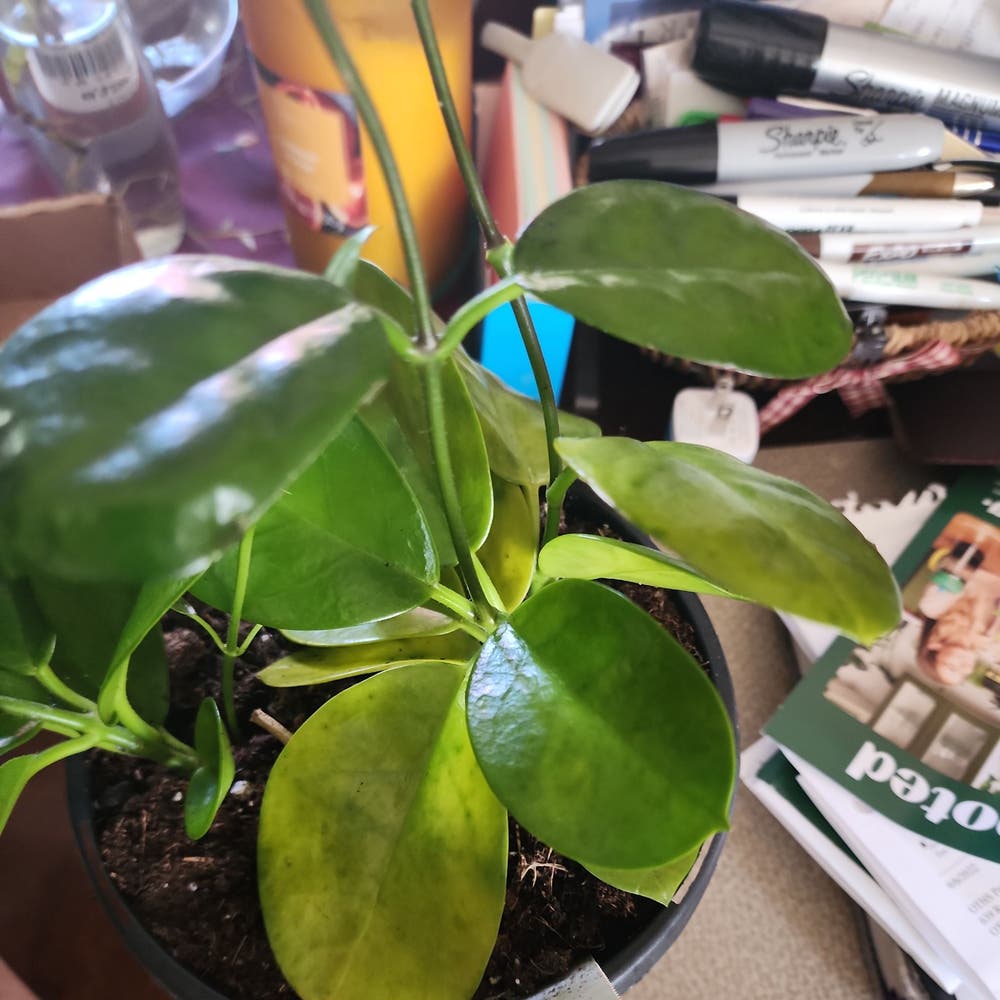
As the plant matures, its leaf color transitions from a light green in seedlings to a deeper green adorned with unique patterns. The texture also evolves; soft leaves gradually become thicker and waxy, enhancing their resilience.
🌼 Transition from Vegetative to Reproductive Phases
You'll notice indicators of transition as growth patterns change and energy shifts toward flowering. Environmental cues, such as light and temperature changes, play a crucial role in signaling the plant to enter its reproductive cycle.
These transformations not only highlight the adaptability of Hoya 'Bordvare' but also its journey from a humble seed to a flourishing plant. Understanding these stages can enhance your care and appreciation for this remarkable species.
⚠️ Safety First
This content is for general information and may contain errors, omissions, or outdated details. It is not medical, veterinary advice, or an endorsement of therapeutic claims.
Always consult a qualified healthcare professional before using any plant as food, medicine, or supplement.
Never eat any plant (or feed one to pets) without confirming its identity with at least two trusted sources.
If you suspect poisoning, call Poison Control (800) 222-1222, the Pet Poison Helpline (800) 213-6680, or your local emergency service immediately.
Spotted an error? Please report it here.
Unlock the secrets to thriving Hoya 'Bordvare' growth 🌼 with Greg's custom watering reminders and care tips that ensure your plant flourishes beautifully!