🪴 Ultimate Guide to Potting Hoya 'Bordvare'
Hoya australis 'Bordvare'
By the Greg Editorial Team
Sep 28, 2024•5 min read
This article was created with the help of AI so we can cover more plants for you. May contain errors. See one? Report it here.
- 🌱 Use 4-6 inch pots for seedlings and 8-12 inch for mature Hoya 'Bordvare'.
- 🏺 Choose breathable clay pots for moisture regulation, but beware of their weight.
- 🚫 Avoid metal pots; they retain heat and can cause drainage issues.
Pot Sizes for Different Growth Stages
🌱 Recommended Sizes for Seedlings
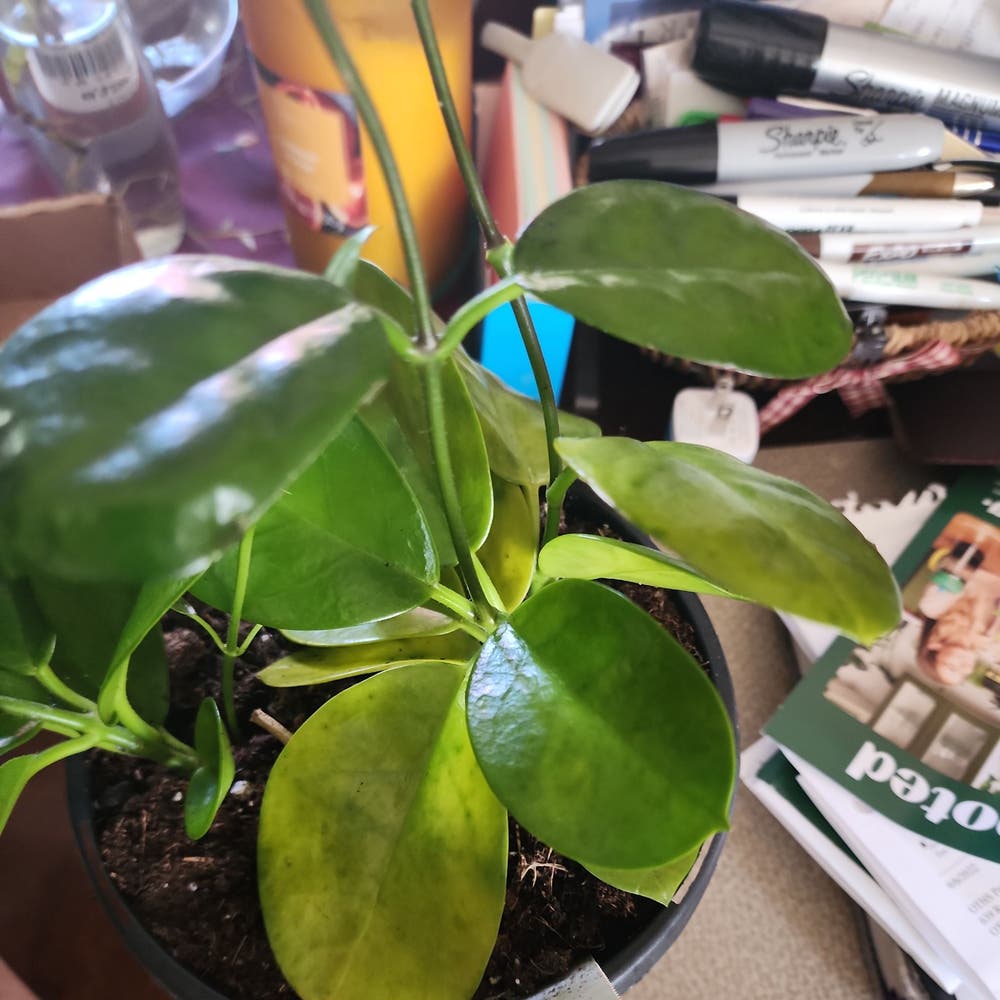
When potting Hoya 'Bordvare' seedlings, choose containers that are 4-6 inches in diameter. Smaller pots encourage root development, allowing the plant to establish itself more effectively.
Timing is crucial; pot your seedlings when they have developed 2-3 sets of true leaves. This ensures they are ready for their new home and can thrive.
🌳 Ideal Sizes for Mature Plants
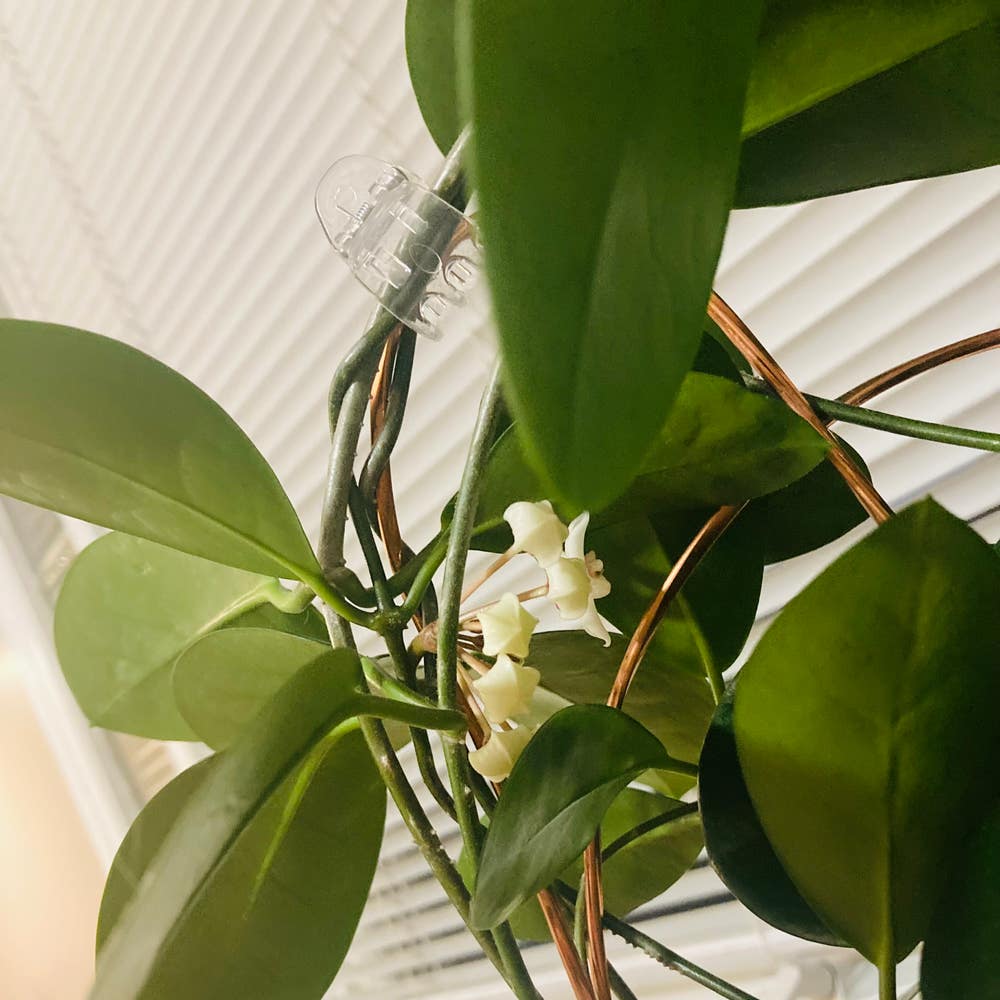
For mature Hoya 'Bordvare' plants, opt for pots that are 8-12 inches in diameter. Larger pots provide the necessary space for climbing growth, which is essential for this species.
Keep an eye on your plant's growth to determine when it's time to upgrade its pot size. Regular monitoring helps ensure your Hoya has the room it needs to flourish.
As you consider potting options, remember that the right size can significantly impact your plant's health and growth trajectory.
Pot Materials
🌱 Benefits of Clay Pots
Clay pots are a popular choice for Hoya 'Bordvare' due to their breathability. This allows for better moisture regulation, which is crucial for healthy root development.
They also offer aesthetic appeal and stability, making them a great addition to any plant collection. However, keep in mind that their weight can be a drawback, and they are more fragile than other materials.
🪴 Advantages of Plastic Pots
Plastic pots are lightweight and easy to handle, making them ideal for those who frequently rearrange their plants. They are also cost-effective and come in a variety of sizes, catering to different growth stages.
While they provide good insulation, be cautious about moisture retention, as this can lead to overwatering if not monitored closely.
🏺 Comparison of Other Materials
Ceramic pots are visually appealing but may struggle with drainage. If you choose ceramic, ensure it has adequate drainage holes to prevent waterlogging.
Terracotta pots are another option, known for their moisture management capabilities. They absorb excess water, but this can be a double-edged sword if you forget to water regularly.
Metal pots are generally not recommended for Hoya plants. They tend to retain heat and can create drainage issues, which can harm your plant's health.
In summary, selecting the right pot material is essential for the well-being of your Hoya 'Bordvare'. Each option has its pros and cons, so consider your plant's needs and your own preferences when making a choice.
Next, let's explore the crucial aspect of drainage considerations to ensure your Hoya thrives.
Drainage Considerations
Importance of Drainage Holes 🌊
Drainage holes are crucial for preventing root rot in Hoya 'Bordvare'. They allow excess water to escape, ensuring that the roots don’t sit in soggy soil.
For optimal health, aim for holes that are at least 1/2 inch in diameter. A minimum of three holes is recommended to promote effective drainage.
Ensuring Proper Drainage in Pots 🪴
Choosing the right potting mix is essential for Hoya's well-being. A well-draining mix typically includes components like perlite and orchid bark, which help maintain moisture without waterlogging.
To enhance drainage further, consider adding a layer of gravel or stones at the bottom of the pot. This simple technique can significantly improve airflow and moisture control.
Signs of Poor Drainage and Their Effects 🚨
Watch for symptoms of overwatering, such as yellowing leaves and wilting. These signs indicate that your Hoya may be struggling with excess moisture.
Long-term poor drainage can lead to root rot and stunted growth, severely impacting your plant's vitality. Regularly check your potting conditions to keep your Hoya thriving.
With proper drainage in place, your Hoya 'Bordvare' will be set for success. Next, let’s explore when and how to repot your plant for optimal growth.
When and How to Repot
🌱 Signs That Hoya 'Bordvare' Needs Repotting
Recognizing when your Hoya 'Bordvare' needs repotting is crucial for its health. Look for roots growing out of the drainage holes; this is a clear sign your plant is root-bound.
Additionally, if you notice stunted growth or a lack of flowering, it may be time to repot. Soil degradation can also indicate the need for a new pot—compacted or nutrient-depleted soil won't support your plant's growth.
🛠️ Step-by-Step Guide to Repotting Hoya
Repotting can seem daunting, but following these steps makes it straightforward:
- Gather materials: You'll need a new pot, fresh potting mix, and some basic tools.
- Remove Hoya from the current pot: Gently loosen the roots to avoid damage.
- Inspect roots: Trim any damaged or rotten roots to promote healthy growth.
- Place in new pot: Position your Hoya at the same soil level as before.
- Fill with potting mix: Ensure even distribution and light packing to avoid air pockets.
- Water thoroughly: Allow excess water to drain out to prevent root rot.
🪴 Choosing the Right Pot During Repotting
Selecting the right pot is essential for your Hoya's continued growth. Consider the pot size based on its current growth stage; a larger pot allows for more room to grow.
Ensure the pot has adequate drainage holes to prevent water accumulation. Lastly, evaluate pot materials based on your environment; some materials retain moisture better than others, which can affect your plant's health.
With these steps, your Hoya 'Bordvare' will thrive in its new home, setting the stage for vibrant growth and beautiful blooms. Next, let’s explore the best pot materials for your plant.
⚠️ Safety First
This content is for general information and may contain errors, omissions, or outdated details. It is not medical, veterinary advice, or an endorsement of therapeutic claims.
Always consult a qualified healthcare professional before using any plant as food, medicine, or supplement.
Never eat any plant (or feed one to pets) without confirming its identity with at least two trusted sources.
If you suspect poisoning, call Poison Control (800) 222-1222, the Pet Poison Helpline (800) 213-6680, or your local emergency service immediately.
Spotted an error? Please report it here.
Potting your Hoya 'Bordvare' correctly is crucial for thriving growth 🌿, and with Greg's tailored reminders and expert care tips, you'll keep your plant happy and healthy in its perfect pot!