3 Do's and Don'ts of Growing Hoya 'Bordvare' 💧
Hoya australis 'Bordvare'
By the Greg Editorial Team
Sep 28, 2024•5 min read
This article was created with the help of AI so we can cover more plants for you. May contain errors. See one? Report it here.
- 🌞 Hoya 'Bordvare' thrives in bright, indirect sunlight; avoid direct sun exposure.
- 🌱 Use well-draining soil and pots with drainage holes to prevent root rot.
- 💧 Water only when the top inch is dry; watch for yellowing leaves.
Choosing a Location
Light Requirements 🌞
To thrive, Hoya 'Bordvare' needs bright, indirect sunlight. Direct sunlight can scorch its leaves, stunting growth and ruining its aesthetic appeal.
Indoor vs. Outdoor Growing Conditions 🏡
Indoors, place your Hoya in well-lit rooms with filtered light. If you're considering outdoor growth, patios or balconies in warm climates work well—just ensure protection from harsh midday sun.
Ideal Temperature and Humidity Levels 🌡️
This plant flourishes in temperatures ranging from 18°C to 30°C (65°F to 86°F). It also loves humidity levels of 50% or higher, so consider using a humidifier or a pebble tray to keep it happy.
By carefully selecting the right location, you set the stage for your Hoya 'Bordvare' to thrive. Next, let’s dive into soil preparation and planting to ensure your plant has a solid foundation.
Soil Preparation and Planting
🌱 Best Soil Mix
For Hoya 'Bordvare', a well-draining potting soil is essential. Combine it with perlite and orchid bark to create a mix that allows for proper aeration and drainage.
The ideal soil pH should be slightly acidic to neutral, ranging from 6.0 to 7.0. This balance helps your plant thrive and absorb nutrients effectively.
🪴 Container Selection and Drainage Considerations
Choosing the right container is crucial for your plant's health. Opt for pots with drainage holes to prevent root rot, which can be a common issue.
When selecting a pot size, start with one that is 1-2 inches larger than the root ball. This gives your Hoya room to grow without overwhelming it.
📏 Step-by-Step Planting Instructions
- Prepare the soil mix: Combine potting soil, perlite, and orchid bark thoroughly.
- Fill the container: Leave enough space for the root ball to settle comfortably.
- Position the plant: Place Hoya 'Bordvare' in the center and fill around the roots gently.
- Water lightly: Ensure the soil is moist but avoid sogginess to keep the roots healthy.
Following these steps will set your Hoya 'Bordvare' up for success. With the right soil and planting techniques, you’ll be on your way to a flourishing plant.
Next, let’s explore how to care for your Hoya through proper watering and fertilizing techniques.
Watering and Fertilizing
💧 Watering Frequency and Techniques
To keep your Hoya 'Bordvare' thriving, let the top inch of soil dry out before watering again. When you do water, ensure it's thorough; let it drain from the bottom and avoid letting the plant sit in water.
⚠️ Signs of Overwatering and Underwatering
Watch for signs of overwatering, like yellowing leaves, mushy stems, and root rot. Conversely, if you notice wilting leaves, dry soil, or leaf drop, your plant may be underwatered.
🌱 Recommended Fertilizers and Feeding Schedule
For optimal growth, use a balanced liquid fertilizer, such as 20-20-20, diluted to half strength. Feed your Hoya every 4-6 weeks during the growing season, which spans spring and summer.
By mastering the watering and fertilizing routine, you'll set your Hoya 'Bordvare' up for success. Next, let’s explore the essential pruning and maintenance practices to keep your plant healthy and vibrant.
Pruning and Maintenance
When and How to Prune 🌱
Pruning your Hoya 'Bordvare' is best done in early spring, just before new growth starts. Use clean, sharp scissors to trim back any leggy growth, which encourages a bushier appearance.
Importance of Pruning for Growth and Flowering 🌼
Pruning isn't just about aesthetics; it promotes denser foliage and boosts flowering potential. Removing dead or yellowing leaves also enhances the overall health of your plant, ensuring it thrives.
Ongoing Care Routine 🔍
Regularly inspect your plant for pests and diseases to catch any issues early. Additionally, keep an eye on humidity and light conditions to maintain optimal growth, ensuring your Hoya remains vibrant and healthy.
With proper pruning and maintenance, your Hoya 'Bordvare' will flourish, setting the stage for the next topic: common challenges and solutions in caring for this beautiful plant.
Common Challenges and Solutions
🐛 Identifying and Managing Pests and Diseases
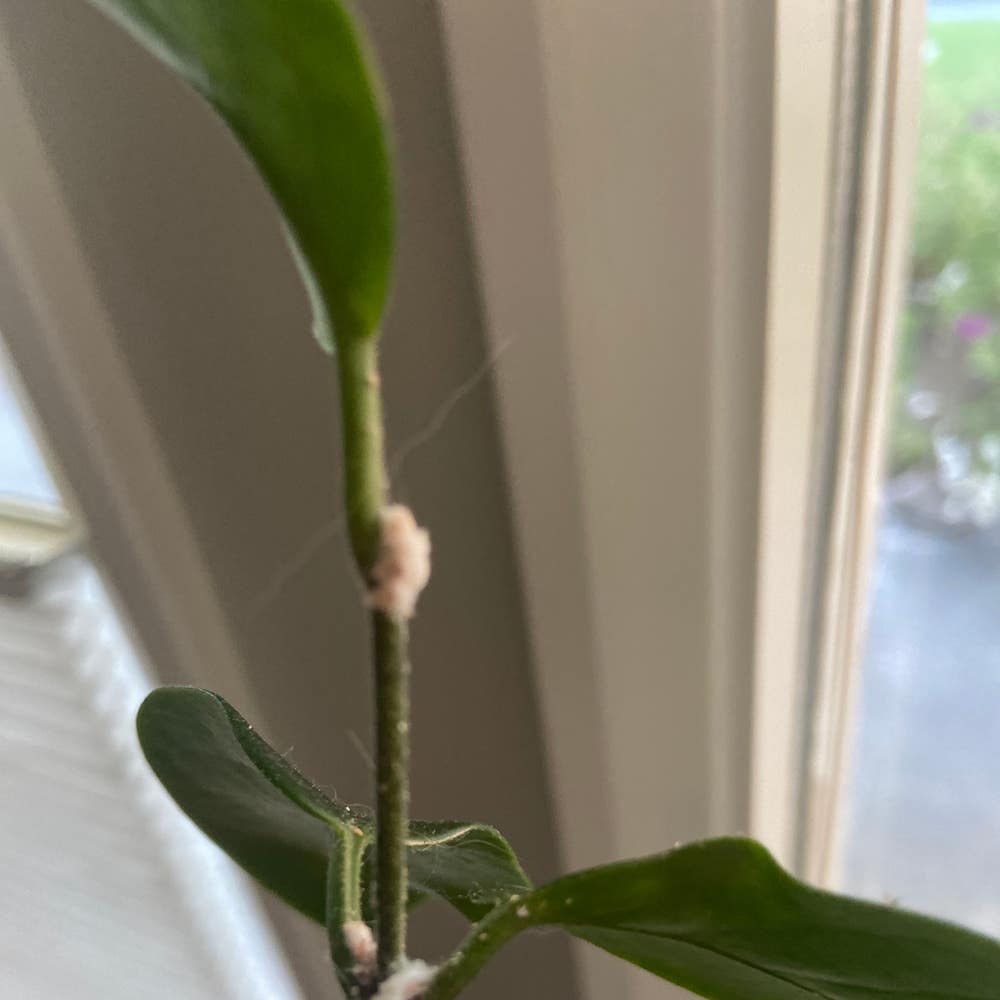
Hoya 'Bordvare' can attract common pests like mealybugs and aphids. Regular inspections are crucial; catching these pests early makes management much easier.
For treatment, consider using insecticidal soap or neem oil. These options are effective and less harsh on your plant.
🧐 Troubleshooting Common Growth Issues
If your Hoya is experiencing slow growth, it may be due to inadequate light or nutrient deficiencies. Assess your plant's environment to ensure it’s receiving enough brightness and nutrients.
Leaf drop can be another concern. Check your watering practices and humidity levels to keep your plant thriving.
🌱 Tips for Successful Propagation
Propagation can be a rewarding experience. Start by selecting healthy stems that are 4-6 inches long, ensuring they have at least one leaf node.
For the rooting medium, a mix of perlite and peat moss works wonders. This combination provides the right balance of drainage and moisture retention.
Finally, expect rooting to take about 2-4 weeks in a warm, humid environment. With patience, you’ll soon have new plants to enjoy or share!
As you navigate these challenges, remember that every plant journey is unique. Embrace the learning process, and soon you'll be a Hoya expert!
⚠️ Safety First
This content is for general information and may contain errors, omissions, or outdated details. It is not medical, veterinary advice, or an endorsement of therapeutic claims.
Always consult a qualified healthcare professional before using any plant as food, medicine, or supplement.
Never eat any plant (or feed one to pets) without confirming its identity with at least two trusted sources.
If you suspect poisoning, call Poison Control (800) 222-1222, the Pet Poison Helpline (800) 213-6680, or your local emergency service immediately.
Spotted an error? Please report it here.
Nurture your Hoya 'Bordvare' to bloom beautifully 🌼 by using Greg's tailored watering reminders and expert tips to create the perfect environment for thriving growth!