Ultimate Guide to Companion Plants for Hoya 'Bordvare' 💖
Hoya australis 'Bordvare'
By the Greg Editorial Team
Sep 28, 2024•4 min read
This article was created with the help of AI so we can cover more plants for you. May contain errors. See one? Report it here.
- 🌱 Hoya 'Bordvare' thrives with companions sharing similar light and moisture needs.
- 🌼 Marigolds deter pests while adding color, protecting your Hoya plants.
- 🌿 Avoid cacti and Ficus; they compete for resources and attract pests.
Best Companion Plants for Hoya 'Bordvare'
🌱 Description of compatible plants
Plant 1: Philodendron
Philodendrons thrive in bright, indirect light and prefer well-draining soil, making them a perfect match for Hoya 'Bordvare'. Their vining nature beautifully complements Hoya's growth, creating a lush and vibrant appearance in your space.
Plant 2: Marigold
Marigolds are not just pretty; they are known for their pest-repellent properties. These cheerful flowers deter nematodes and aphids, providing essential protection for your Hoya while adding a splash of color that attracts pollinators.
Plant 3: Pothos
Pothos plants bring trailing vines that enhance the aesthetic of any garden. They share similar moisture needs with Hoya, preferring moderate watering, which helps prevent overwatering issues that can harm both plants.
🌼 Explanation of why these plants are good companions
These companion plants share environmental preferences, aligning in light, soil, and moisture requirements. This synergy not only enhances each other's growth but also builds resilience against pests, creating a thriving garden ecosystem.
Moreover, the aesthetic appeal of combining these plants creates a visually stunning garden space. The vibrant colors and diverse textures work together harmoniously, making your garden a delightful retreat.
Incorporating these companions will not only benefit your Hoya but also elevate your gardening experience. As you explore these options, you'll find that the right combinations can lead to a flourishing, beautiful garden.
Plants to Avoid Near Hoya 'Bordvare'
🌵 Description of incompatible plants
Plant 1: Cacti
Cacti thrive in full sun and require dry conditions, which starkly contrasts with Hoya 'Bordvare's preference for bright, indirect light and consistent moisture. This mismatch can lead to stress for your Hoya, making it crucial to keep these spiky companions at a distance.
Plant 2: Ficus
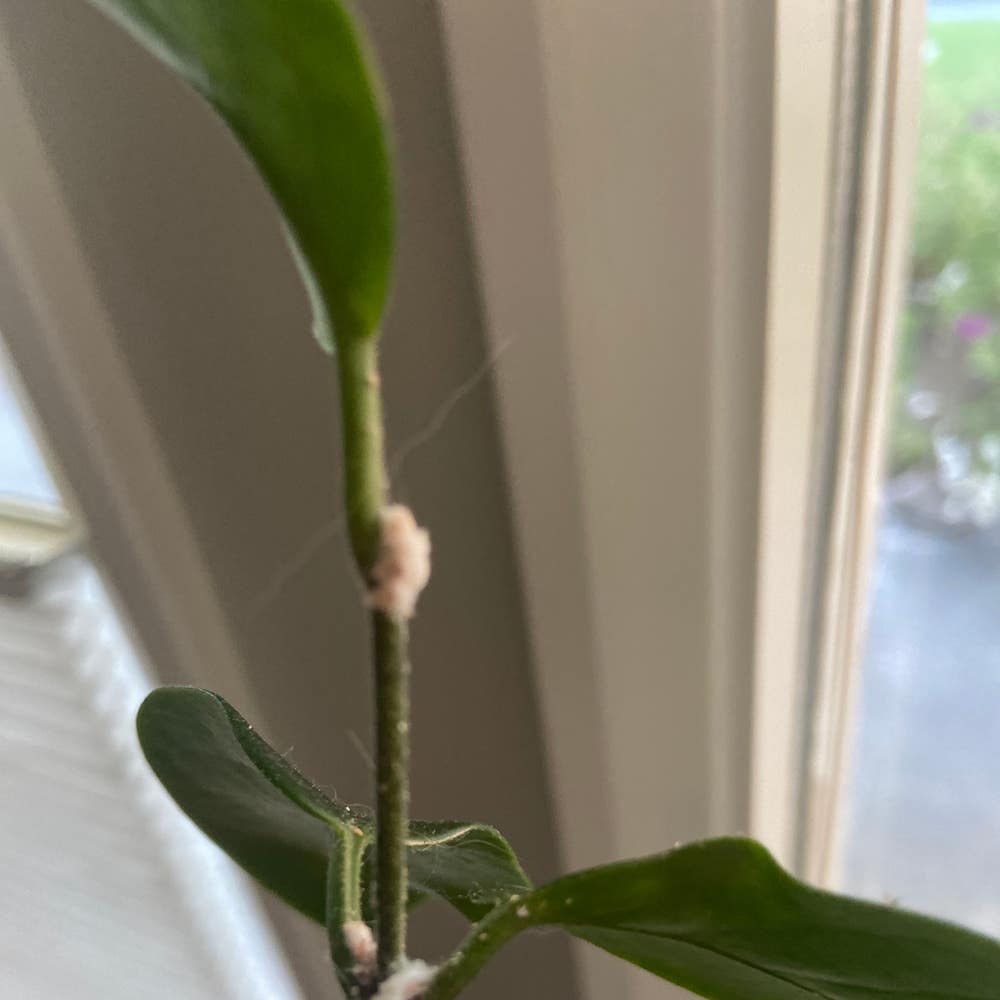
Ficus plants can attract pests like scale insects, which pose a risk to the health of your Hoya. Keeping these pest magnets away helps maintain a healthier environment for your beloved plant.
Plant 3: Heavy feeders (e.g., corn)
Heavy feeders such as corn compete for nutrients in the soil, potentially depleting the essential resources that Hoya needs to thrive. This competition can stunt growth and diminish the overall vitality of your Hoya.
🚫 Reasons for incompatibility
Differing care needs create a challenging environment for Hoya 'Bordvare'. Inconsistent light and moisture requirements can lead to stress, making it harder for your plant to flourish.
Additionally, certain plants may draw pests that negatively impact Hoya's health. By avoiding these incompatible plants, you can create a more harmonious garden space that supports the growth and resilience of your Hoya.
With a clear understanding of what to avoid, you can now focus on selecting the best companions for your Hoya 'Bordvare'.
Pest Management through Companion Planting
🌱 How Companion Plants Can Deter Pests
Companion planting is a powerful strategy for protecting your Hoya 'Bordvare'. Certain plants possess natural pest-repellent properties that can shield your Hoya from unwanted invaders.
By incorporating these plants, you create a balanced ecosystem that attracts beneficial insects. These allies help keep harmful pests at bay, promoting a healthier garden environment.
🌼 Examples of Pest-Repellent Companions for Hoya 'Bordvare'
Marigold: This vibrant flower is a champion at deterring nematodes and aphids. Its bright blooms not only add color but also serve as a natural pest barrier.
Basil: Known for its aromatic leaves, basil repels flies and mosquitoes. This herb not only enhances the health of your Hoya but also brings culinary benefits to your kitchen.
Utilizing these pest-repellent companions can significantly improve the resilience of your Hoya 'Bordvare'. As you plan your garden, consider how these plants can work together to create a thriving, pest-resistant environment.
In the next section, we’ll explore how to create a diverse garden that complements your Hoya and enhances its growth.
Creating a Diverse Garden with Hoya 'Bordvare'
🌱 Importance of Diversity in Plant Selection
Diversity in your garden is crucial for creating a balanced ecosystem. It significantly reduces the likelihood of pest outbreaks and fosters a habitat for beneficial insects and pollinators.
🌼 Tips for Incorporating Companion Plants into the Garden Layout
Group Similar Plants
Start by grouping plants with similar light and moisture needs. This simple step ensures that all your plants thrive without competing for resources.
Utilize Vertical Space
Consider using vertical space effectively with vining companions. This not only enhances aesthetics but also maximizes your garden's potential.
Rotate Companion Plants
Rotating companion plants seasonally is essential for maintaining soil health and diversity. This practice helps replenish nutrients and keeps your garden vibrant.
By embracing these strategies, you can cultivate a thriving garden that supports Hoya 'Bordvare' and its companions. This approach not only benefits your plants but also enriches your gardening experience.
⚠️ Safety First
This content is for general information and may contain errors, omissions, or outdated details. It is not medical, veterinary advice, or an endorsement of therapeutic claims.
Always consult a qualified healthcare professional before using any plant as food, medicine, or supplement.
Never eat any plant (or feed one to pets) without confirming its identity with at least two trusted sources.
If you suspect poisoning, call Poison Control (800) 222-1222, the Pet Poison Helpline (800) 213-6680, or your local emergency service immediately.
Spotted an error? Please report it here.
Boost your Hoya 'Bordvare' with perfect companions 🌱 by using Greg's tailored care tips to create a thriving garden ecosystem that flourishes together!