🌞 Does My Hoya australis 'Bordvare' Need Direct Sunlight?
Hoya australis 'Bordvare'
By the Greg Editorial Team
Jun 18, 2024•3 min read
This article was created with the help of AI so we can cover more plants for you. May contain errors. See one? Report it here.
- 🌿 Thrives in bright, indirect light; direct sunlight can be harmful.
- East-facing windows ideal, adjust with seasons for vibrant growth.
- Watch for scorched or pale leaves to gauge light needs and adjust.
Sunlight Simplified: What Does Your Hoya Need?
💡 Defining Sunlight for Plant Parents
Bright, indirect light is the sweet spot for Hoya australis 'Bordvare'. Direct sunlight is like a no-fly zone; it's too intense. Indirect light, on the other hand, is like a gentle embrace for your Hoya, offering the luminosity without the harshness.
Hoya australis 'Bordvare' and Sunlight: A Love Story?
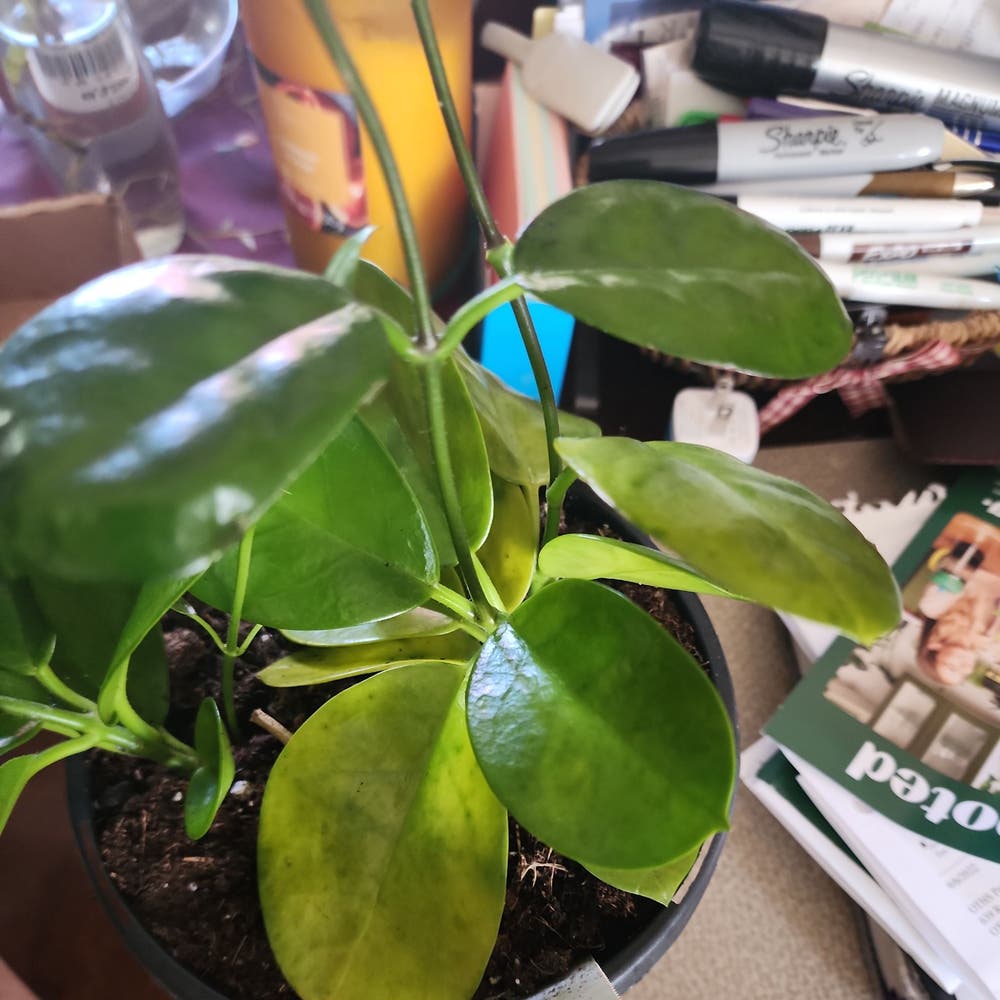
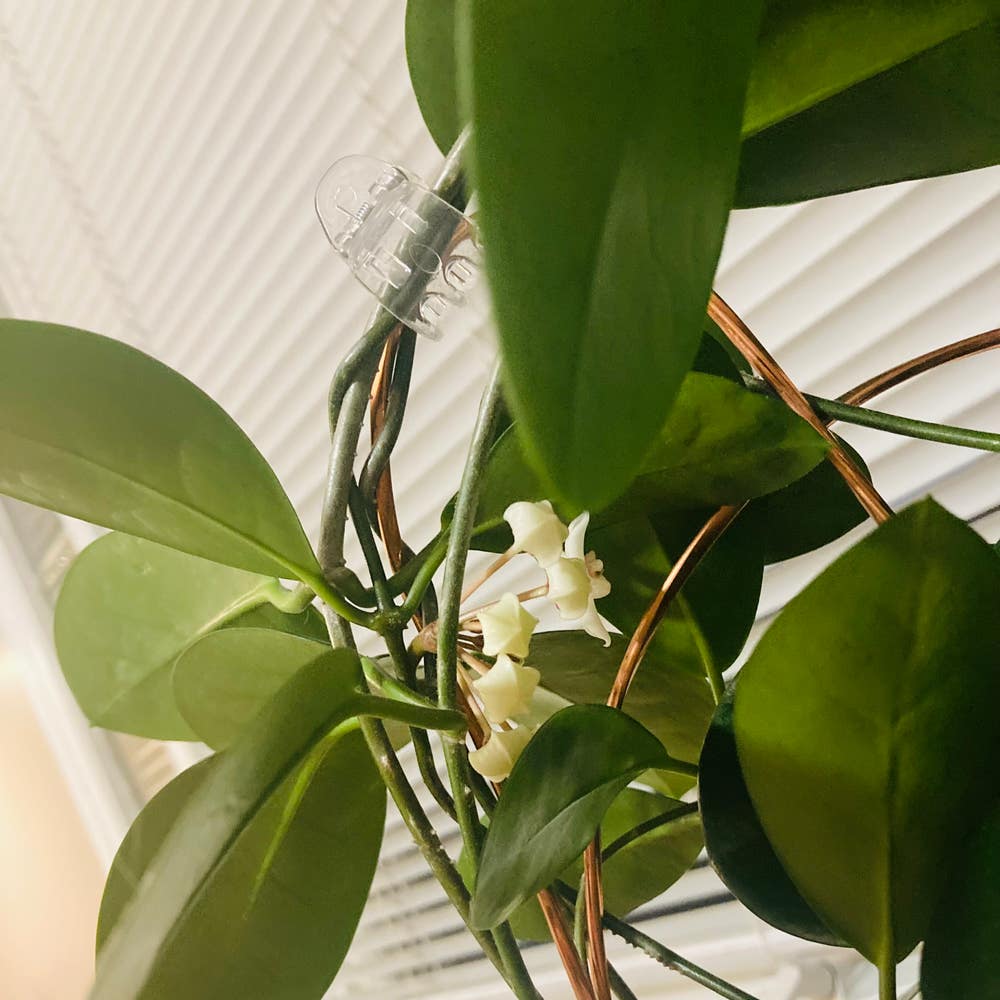
Your Hoya australis 'Bordvare' won't just survive but will thrive in bright, indirect light. Think of direct sun as the plant's kryptonite—too much and it's game over for those lush leaves. Aim for a cozy spot that basks in filtered light for 2-6 hours a day, and you'll be rewarded with vibrant growth and potential blooms.

Window Wisdom: Finding the Perfect Spot for Your Hoya
🌞 The Direction Dilemma: North, South, East, or West?
Finding the perfect spot for your Hoya australis 'Bordvare' isn't just about picking a random windowsill. East-facing windows are your best bet, bathing your plant in that sweet spot of bright, indirect light. South windows? They're the sunbathing hotspots, but beware, they can be intense. A sheer curtain or a strategic two-foot setback can prevent your Hoya from getting a sunburn.
🌍 Hemisphere Hints: Does Location Matter?
Absolutely, location matters. In the Northern Hemisphere, south-facing windows are like the plant version of a beach vacation—lots of sun. But if you're down under in the Southern Hemisphere, it's the north-facing windows that are soaking up the rays. Adjust your plant's position with the seasons to keep that Hoya happiness on point. Remember, your Hoya's not just a pretty face; it's a creature of comfort, seeking that just-right balance of light.

Seasonal Sunlight Strategies for Hoya australis 'Bordvare'
🌞 Summer vs. Winter: Adapting to the Seasons
Your Hoya australis 'Bordvare' isn't static—it's a dynamic diva that demands different lighting as the seasons shift. In the summer, it's all about staying cool and collected, so pull it back from the window to avoid the harsh sun. Winter's weak rays, however, are like a gentle embrace, so cozy your Hoya up to the glass to bask in the limited light.
Signs Your Hoya is Getting Too Much or Too Little Sun
Scorched leaves? Too much sun. Your Hoya's telling you it's time to back off and find some shade. If it's sporting yellow or pale foliage, it's practically begging for more light. Adjust its spot accordingly, and keep an eye out for these telltale signs to ensure your Hoya's living its best life, season to season.

Protecting Your Hoya from the Perils of Direct Sunlight
🎨 Creative Shading Techniques
Direct sunlight can be the arch-nemesis of your Hoya australis 'Bordvare'. To combat this, consider DIY shading methods. Sheer curtains are a simple yet effective solution to soften the sun's intensity. Alternatively, placing your Hoya behind other plants that crave more light can provide a natural barrier. For those with a crafty streak, a homemade shade cloth can act as a personal sun shield for your plant.
🔄 The Art of Repositioning
Knowing when to shuffle your Hoya around is crucial. Morning light is generally gentler, so east-facing windows are prime real estate. As the sun climbs, you might need to pull your plant back from the window or reposition it to avoid the harsh midday rays. Rotating your Hoya periodically ensures even growth and prevents the dreaded one-sided look. Remember, the goal is to mimic the dappled sunlight of a Hoya's natural habitat, not recreate the surface of the sun on your windowsill.
⚠️ Safety First
This content is for general information and may contain errors, omissions, or outdated details. It is not medical, veterinary advice, or an endorsement of therapeutic claims.
Always consult a qualified healthcare professional before using any plant as food, medicine, or supplement.
Never eat any plant (or feed one to pets) without confirming its identity with at least two trusted sources.
If you suspect poisoning, call Poison Control (800) 222-1222, the Pet Poison Helpline (800) 213-6680, or your local emergency service immediately.
Spotted an error? Please report it here.
Nurture 🌿 your Hoya australis 'Bordvare' to perfection with Greg's PlantVision, ensuring it gets the ideal amount of indirect sunlight for vibrant growth without the guesswork.