What's Eating Your Catasetum? 🐛
Catasetum 'Susan Fuchs'
By the Greg Editorial Team
Jan 06, 2025•7 min read
This article was created with the help of AI so we can cover more plants for you. May contain errors. See one? Report it here.
Learn how to protect your stunning Catasetum orchids from hungry visitors while attracting beneficial wildlife! 🌺🦌
- 🌸 Catasetum orchids attract herbivores, risking damage to their stunning flowers and shoots.
- 🦌 Deer and rabbits can severely harm Catasetum; use repellents and barriers for protection.
- 🐦 Birds aid pollination but can damage flowers; use reflective objects to deter them.
Catasetum Appearance and Appeal to Animals
🌺 Description of Appearance
Catasetum orchids are striking plants, typically ranging from 12 to 36 inches in height. Their broad, leathery leaves can grow up to 12 inches long, creating a lush backdrop for their stunning flowers.
The flowers of Catasetum are large and showy, often fragrant, making them irresistible to pollinators. This vibrant display not only enhances the garden's beauty but also plays a crucial role in attracting various animals.
🐾 Most Appealing Parts to Animals
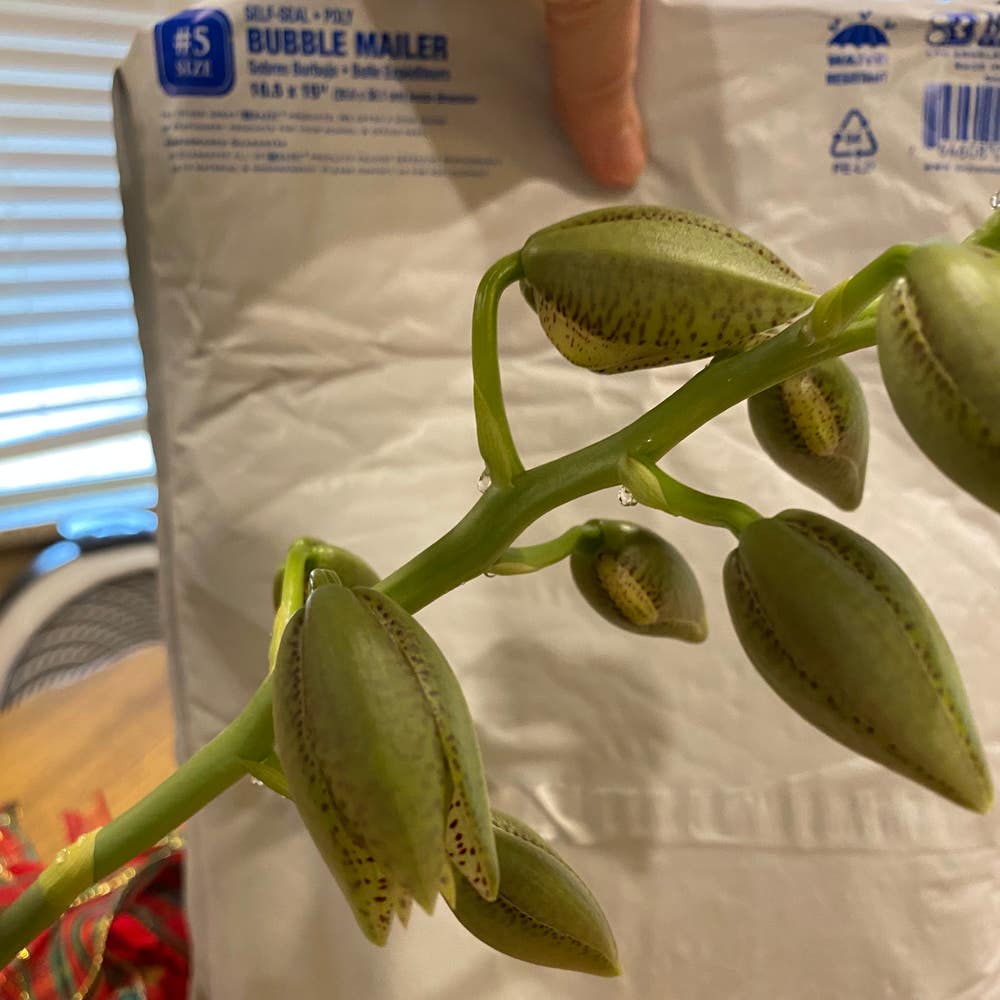
The flowers are the most appealing part of the Catasetum, with their bright colors and enticing scents. These features attract a variety of pollinators and herbivores, eager to feast on their beauty.
Fruits from the Catasetum are juicy and nutrient-rich, drawing in many garden animals. Additionally, young shoots are tender and nutritious, making them a prime target for herbivores looking for a delicious snack.
Understanding these appealing traits can help gardeners appreciate the delicate balance between nurturing their plants and protecting them from hungry visitors.
Common Herbivores
🦌 Deer
Signs of presence and damage caused
Deer are often easy to spot by their distinct hoof prints near your Catasetum. You may also notice leaves and flowers nibbled or stripped from the plant, indicating their browsing habits.
Beneficial or harmful interaction
Unfortunately, deer interactions are generally harmful. If left unmanaged, they can decimate your plant populations.
Deterrent methods
To keep deer at bay, consider using commercial deer repellents that contain putrescent egg solids. Alternatively, you can plant deer-resistant species nearby or scatter human hair or soap shavings around your plants for a more organic approach.
🐇 Rabbits
Signs of presence and damage caused
Rabbits leave small, round droppings near the base of your plants. Look for cleanly cut leaves and stems, often at a 45-degree angle, which is a telltale sign of their munching.
Beneficial or harmful interaction
Rabbits are generally harmful as they can severely stunt growth and flowering. Their appetite for your Catasetum can lead to significant setbacks.
Deterrent methods
To deter rabbits, apply bitter-tasting sprays as chemical deterrents. For an easier organic solution, consider fencing your plants with barriers at least 2 feet high and planting rabbit-repelling herbs like lavender nearby.
🐿️ Squirrels
Signs of presence and damage caused
Squirrels often leave behind chewing marks from gnawing on stems and flowers. You might also find signs of nesting nearby, such as scattered twigs and leaves.
Beneficial or harmful interaction
Interactions with squirrels are generally harmful. Their chewing can damage flowers and young shoots, affecting the overall health of your plants.
Deterrent methods
Capsaicin-based sprays serve as effective chemical deterrents against squirrels. Alternatively, you can install squirrel-proof bird feeders to distract them from your Catasetum.
🐦 Birds
Signs of presence and damage caused
Birds can be identified by pecking marks, which create holes in flowers and leaves. You may also notice nesting activity in or around your Catasetum.
Beneficial or harmful interaction
Bird interactions can be mixed. While some birds assist with pollination, others may cause damage to your plants.
Deterrent methods
For a chemical deterrent, consider using non-toxic bird repellents. Organic methods include hanging reflective objects or using bird netting to protect your flowers.
🐭 Rodents
Signs of presence and damage caused
Rodents often leave small holes in the soil around the base of your plant, indicating tunneling activity. Chewed roots and stems can lead to significant plant instability.
Beneficial or harmful interaction
Rodents are generally harmful, as they can cause significant damage and root loss. Their presence can jeopardize the health of your Catasetum.
Deterrent methods
For chemical deterrents, rodent bait stations can be effective. On the organic side, using traps and planting deterrent plants like mint can help keep them away.
🦡 Groundhogs
Signs of presence and damage caused
Groundhogs create large burrows near your plants, which can be quite noticeable. You may also find extensive chewing on stems and leaves.
Beneficial or harmful interaction
Interactions with groundhogs are generally harmful. They can completely destroy your plants if not managed properly.
Deterrent methods
To deter groundhogs, consider using commercial repellents that contain predator urine. Organic methods include fencing at least 3 feet high and planting barriers of strong-smelling herbs to keep them at bay.
With a better understanding of these common herbivores and their interactions with your Catasetum, you can take proactive steps to protect your plants. Next, let’s explore the beneficial animals that can enhance your garden ecosystem.
Beneficial Animals and Ecosystem Roles
🐝 Pollinators: Nature's Helpers
Pollinators like bees and butterflies are essential for the health of your Catasetum. They assist in flower fertilization, ensuring vibrant blooms and a bountiful garden.
🐞 Predatory Insects: Natural Pest Controllers
In addition to pollinators, predatory insects such as ladybugs and lacewings play a crucial role. They help keep pest populations in check, reducing the need for chemical interventions.
🌱 Positive Impacts on the Garden Ecosystem
The presence of these beneficial animals leads to enhanced pollination. This results in better fruit and seed production, which is a win for both the plants and the gardener.
Moreover, the natural pest control provided by these insects fosters a healthier ecosystem. By relying on nature's helpers, you can create a thriving garden environment with minimal effort.
⚖️ A Balanced Approach
Encouraging beneficial animals in your garden not only supports plant health but also promotes biodiversity. This balance is vital for a sustainable garden that flourishes year after year.
As you cultivate your Catasetum, remember the importance of these allies. Their contributions are invaluable in creating a vibrant and resilient garden ecosystem.
With this understanding, let’s explore some general strategies for protecting your plants from herbivores.
General Strategies for Protection
🛡️ Preventive Measures Against Herbivore Damage
To protect your Catasetum from herbivores, regular monitoring is essential. Keep an eye out for signs of animal activity, such as tracks or chewed leaves.
Implementing physical barriers is another effective strategy. Fencing and netting can create a protective shield around your plants, deterring many common garden pests.
⚠️ Reactive Solutions for Managing Interactions
When you notice damage, act quickly. Immediate removal of affected parts can help prevent further attraction of herbivores to your plants.
Applying deterrents as soon as you spot signs of herbivory is crucial. This proactive approach can significantly reduce the chances of further damage.
🌱 Seasonal Variations in Animal Attraction
Be aware that animal activity can fluctuate with the seasons. Expect increased herbivore activity in spring and summer when your Catasetum is lush and flowering.
Understanding these seasonal patterns can help you stay one step ahead in protecting your plants. By adapting your strategies throughout the year, you can maintain a thriving garden.
As you implement these strategies, remember that vigilance and adaptability are key to keeping your Catasetum safe from unwanted visitors.
Toxicity and Safety
Understanding Toxic Compounds 🌿
Catasetum species can contain compounds that naturally deter herbivores. These compounds may make the plants less appealing to certain animals, providing a layer of protection.
Risks to Pets and Livestock 🐾
However, it's essential to note that some of these compounds can be toxic if ingested by pets or livestock. Gardeners should be aware of the potential risks associated with these plants.
Managing Animal Interactions 🦙
Understanding the toxicity of Catasetum can help gardeners manage which animals are attracted to their gardens. By being informed, you can create a safer environment for both your plants and your pets.
Safe Handling Practices 🧤
Educating yourself and others about safe handling and placement of these plants is crucial. This knowledge can prevent accidental ingestion and ensure a harmonious garden space.
Conclusion 🌼
By recognizing the toxicity and safety implications of Catasetum, you can enjoy their beauty while protecting your garden and its inhabitants. Stay informed and proactive to create a thriving ecosystem.
Next, we will explore general strategies for protecting your Catasetum from herbivores.
⚠️ Safety First
This content is for general information and may contain errors, omissions, or outdated details. It is not medical, veterinary advice, or an endorsement of therapeutic claims.
Always consult a qualified healthcare professional before using any plant as food, medicine, or supplement.
Never eat any plant (or feed one to pets) without confirming its identity with at least two trusted sources.
If you suspect poisoning, call Poison Control (800) 222-1222, the Pet Poison Helpline (800) 213-6680, or your local emergency service immediately.
Spotted an error? Please report it here.
Safeguard your gorgeous Catasetum orchids 🌺 from pesky herbivores with Greg's personalized care tips and reminders for thriving plants!