What to Do About Droopy Leaves on Your Catasetum 😢
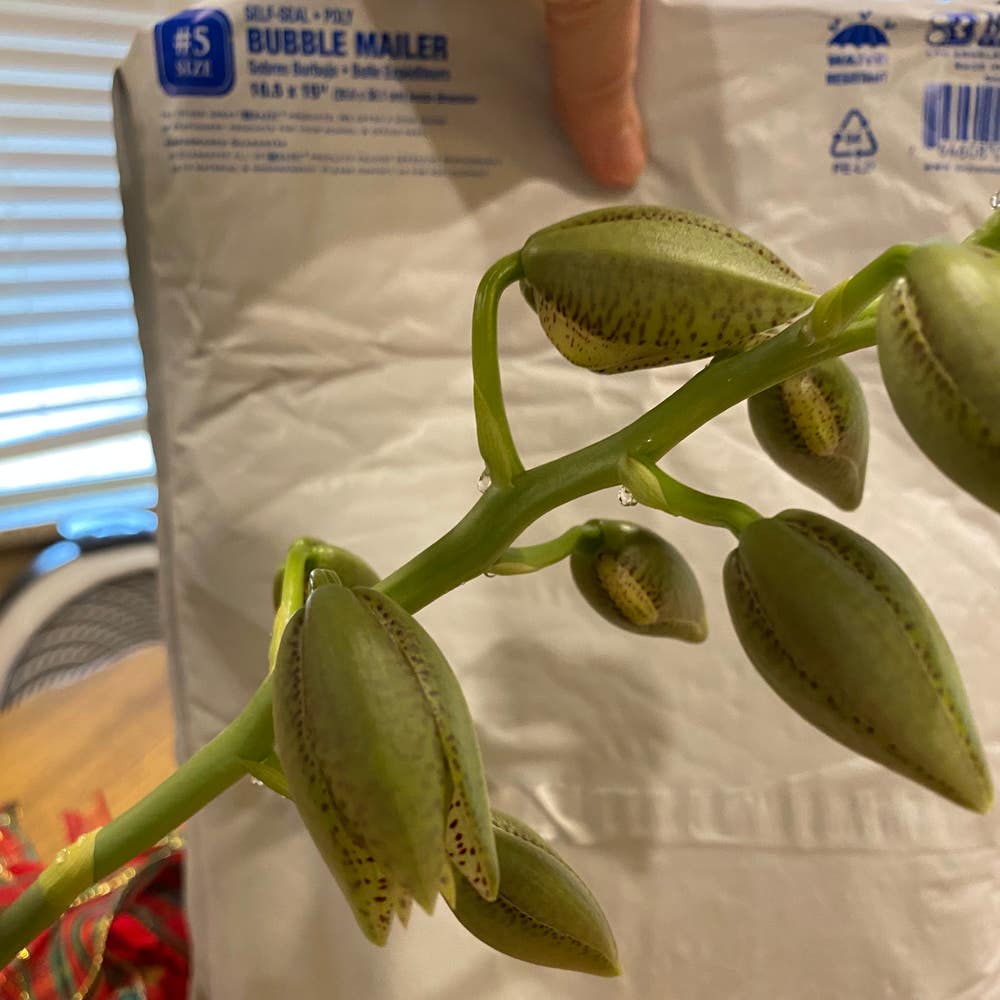
Catasetum 'Susan Fuchs'
By the Greg Editorial Team
Jan 06, 2025•5 min read
This article was created with the help of AI so we can cover more plants for you. May contain errors. See one? Report it here.
Transform your droopy Catasetum leaves 🌱 into a thriving beauty by mastering essential care techniques!
- 🌱 Droopy leaves indicate issues like overwatering, underwatering, or nutrient deficiencies.
- 🌡️💧 Environmental stress from temperature and humidity changes can cause droopiness.
- 🕒 Consistent watering schedules are crucial; adjust for growth phases and dormancy.
Causes of Droopy Leaves
Droopy leaves on your Catasetum can be a sign of various underlying issues. Understanding these causes is essential for restoring your plant's health.
🌬️ Environmental Stress Factors
Changes in temperature or humidity can stress your Catasetum. A sudden draft or exposure to direct heat can also lead to droopy leaves, as these orchids thrive in stable conditions.
💧 Watering Issues
Watering practices play a crucial role in leaf health. Overwatering can lead to root rot, while underwatering causes dehydration, both of which result in droopy leaves.
🥦 Nutrient Deficiencies
A lack of essential nutrients can weaken leaf structure. When your Catasetum doesn't receive adequate nutrition, it may exhibit droopiness as a sign of distress.
🍂 Seasonal Changes
Seasonal changes can naturally affect your plant's behavior. During dormancy, it's normal for leaves to droop, but it's essential to differentiate this from other issues.
Recognizing these causes is the first step in addressing droopy leaves. Next, we’ll explore how to identify the symptoms associated with these problems.
Identifying Symptoms
Visual Indicators 🌿
When it comes to droopy leaves on your Catasetum, the first signs to watch for are visual indicators. Leaf curling or wilting often suggests that your plant is struggling, whether from environmental stress or improper care.
Additionally, color changes can provide crucial clues. Yellowing or browning leaves typically indicate distress, signaling that something is off in your plant's environment or care routine.
Pseudobulb Condition 🪴
Next, pay attention to the condition of the pseudobulbs. Firm pseudobulbs are a good sign, indicating that your plant is healthy and hydrated.
In contrast, if you notice softness, shriveling, or swelling, these are red flags. These symptoms can point to issues like overwatering or nutrient deficiencies that need immediate attention.
By carefully observing these symptoms, you can better understand your Catasetum's needs and take appropriate action to revive its health.
Differentiating Natural from Problematic Droop
🌱 Seasonal Behavior
Understanding the difference between natural and problematic droop is crucial for your Catasetum's health. During dormancy, it's normal for leaves to drop as the plant conserves energy.
However, if you notice persistent droop beyond the dormancy period, it may signal underlying issues that need addressing.
🔍 Contextual Factors
Recent changes in care or environment can also contribute to droopy leaves. If you've altered watering habits, light exposure, or temperature, your plant might be reacting negatively.
Additionally, consider how long the droopiness has persisted and whether there are accompanying symptoms. A quick assessment can help you determine if your plant is simply adjusting or if there's a more serious problem at play.
Recognizing these factors will empower you to take the right steps to revive your Catasetum.
Watering Practices
💧 Importance of Proper Watering
Water is essential for the health of your Catasetum leaves and overall vitality. It plays a crucial role in maintaining the function of pseudobulbs, which store water and nutrients.
🚰 Signs of Overwatering vs. Underwatering
Recognizing the signs of improper watering is vital for your plant's health.
Overwatering Indicators
- Mushy roots
- Foul odor from the soil
- Yellowing leaves
- Drooping and wilting
Underwatering Indicators
- Dry, crispy leaf edges
- Shriveling pseudobulbs
📅 Recommended Watering Schedule
Establishing a consistent watering schedule can significantly improve your plant's condition.
- Active Growth: Water weekly to keep the soil moist.
- Dormancy: Reduce to bi-weekly watering.
Adjust your schedule based on environmental conditions. Increase frequency in high humidity and decrease it during cooler temperatures.
By mastering these watering practices, you can help your Catasetum thrive and prevent droopy leaves. Next, let’s explore troubleshooting and solutions to revive those droopy leaves effectively.
Troubleshooting and Solutions
Step-by-Step Guide to Reviving Droopy Leaves 🌱
Reviving droopy leaves on your Catasetum starts with assessing your watering practices. Check the soil moisture levels; if it's soggy, you may be overwatering, while dry soil indicates underwatering.
Next, evaluate the environmental conditions. Ensure your plant is receiving adequate humidity and light, as these factors significantly impact leaf health.
Adjust fertilization as needed to provide a balanced nutrient supply. A well-fed plant is more resilient and better equipped to recover from stress.
Finally, monitor recovery over a few weeks. Keep an eye on your plant's response to these adjustments, as changes may take time.
Common Mistakes to Avoid 🚫
One of the most common mistakes is overwatering, which can lead to root rot and further droopiness. Always ensure your pot has good drainage and avoid letting your plant sit in water.
Another mistake is ignoring seasonal changes in care needs. Your Catasetum may require different treatment during its dormancy compared to its active growth phase.
When to Seek Professional Help 🆘
If your plant shows persistent droop despite your best efforts, it may be time to seek professional help. This is especially true if you notice signs of severe root rot or disease that could require intervention.
Don't hesitate to consult an expert; sometimes, a fresh pair of eyes can spot issues you might have missed. Remember, your plant's health is worth the investment!
⚠️ Safety First
This content is for general information and may contain errors, omissions, or outdated details. It is not medical, veterinary advice, or an endorsement of therapeutic claims.
Always consult a qualified healthcare professional before using any plant as food, medicine, or supplement.
Never eat any plant (or feed one to pets) without confirming its identity with at least two trusted sources.
If you suspect poisoning, call Poison Control (800) 222-1222, the Pet Poison Helpline (800) 213-6680, or your local emergency service immediately.
Spotted an error? Please report it here.
Revive your Catasetum's vitality 🌱 by using Greg's tailored watering reminders and nutrient tips to keep those droopy leaves perked up and thriving!