What to Do About Catasetum Root Rot 💧
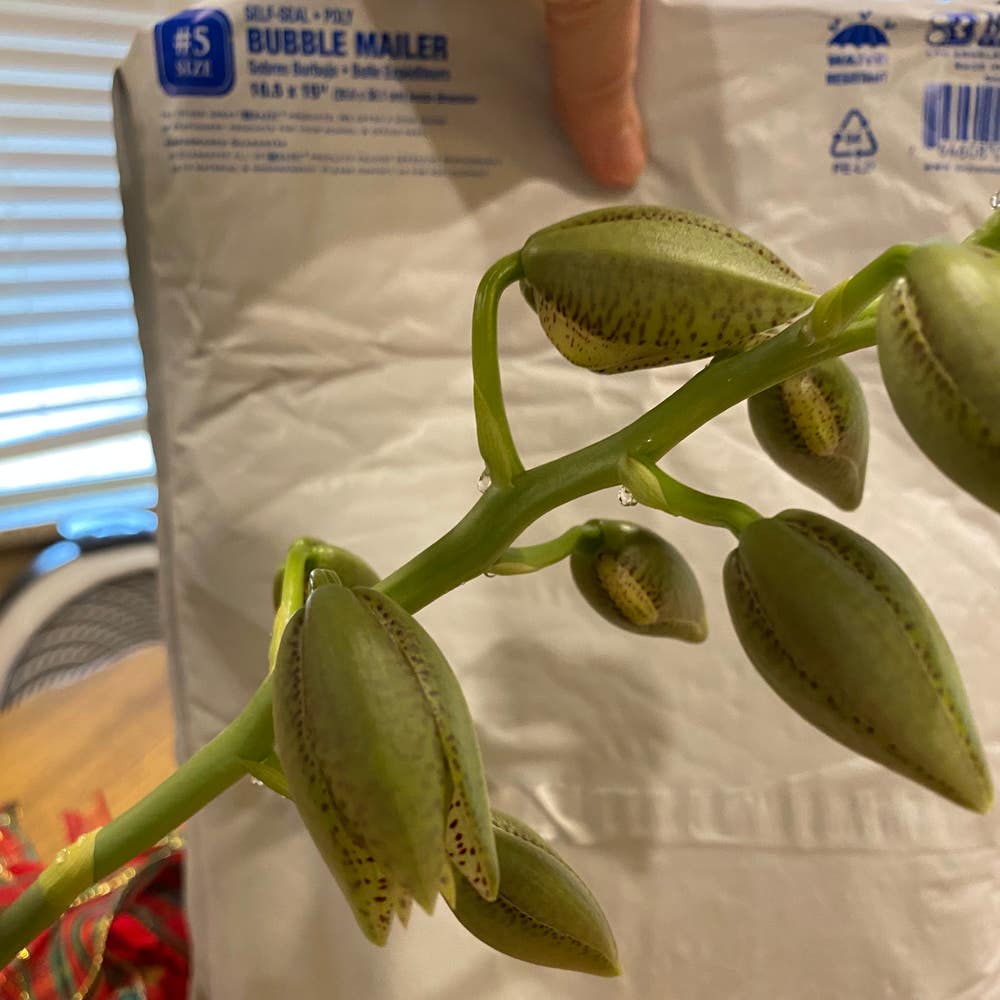
Catasetum 'Susan Fuchs'
By the Greg Editorial Team
Jan 06, 2025•6 min read
This article was created with the help of AI so we can cover more plants for you. May contain errors. See one? Report it here.
Rescue your orchids from root rot with these quick diagnosis and treatment tips! 🌱
- 🌱 Diagnose root rot by inspecting roots for softness and foul odors.
- 🛠️ Treat root rot by trimming rotting roots and rinsing healthy ones thoroughly.
- 🌿 Prevent root rot with proper potting mix and consistent care routines.
Diagnosing Root Rot
🕵️♂️ How to Check for Root Rot
To diagnose root rot, start with a careful inspection of your plant.
- Remove the plant from its pot: Gently take the plant out, being cautious not to damage the roots.
- Examine the roots: Look for color and texture; healthy roots should be firm and vibrant.
- Assess the potting mix: Check for moisture levels to determine if overwatering is an issue.
For this inspection, you'll need a few tools. Clean scissors or pruning shears will help you trim any damaged roots, while a magnifying glass can assist in spotting subtle issues.
👀 Signs of Healthy vs. Rotting Roots
Understanding the characteristics of roots is crucial.
Healthy roots are typically firm, white, or green and should not emit any foul odors.
In contrast, rotting roots will feel soft and mushy, often displaying dark coloration and an unpleasant smell. Recognizing these signs early can save your plant from further decline.
🔍 Importance of Root Inspection
Regular root inspections are essential for maintaining plant health.
Aim to check your plant's roots every few months, especially during the growing season.
Early diagnosis of root rot can prevent further damage, allowing your plant to recover more effectively. By staying proactive, you can ensure your Catasetum thrives and flourishes.
With this foundation in diagnosing root rot, you're ready to move on to treating the issue effectively.
Treating Root Rot
Step-by-Step Treatment Process 🛠️
Treating root rot requires careful attention and a systematic approach. Follow these steps to give your Catasetum a fighting chance:
- Remove the plant from its pot: Gently take the plant out, being cautious not to damage the roots further.
- Trim away all rotting roots: Use sterilized scissors to cut away any roots that feel soft or mushy.
- Rinse healthy roots: Wash the remaining healthy roots under lukewarm water to remove any lingering pathogens.
- Allow the plant to dry: Set the plant aside for a few hours to let the roots dry out completely.
- Apply a fungicide: If necessary, treat the remaining roots with a suitable fungicide to prevent future infections.
- Repot in fresh, dry potting mix: Finally, place the plant in a new pot with fresh potting mix designed for orchids.
Recommended Fungicides and Treatments 💊
Choosing the right fungicide can make all the difference in your plant's recovery. Here’s what you need to know:
Types of fungicides:
- Systemic fungicides are absorbed by the plant and can provide long-lasting protection.
- Contact fungicides work on the surface and need to be reapplied more frequently.
Recommended brands: Look for products like Funginex or Daconil, which are known for their effectiveness against root rot.
Alternative treatments: If you prefer natural remedies, consider using cinnamon for its antifungal properties or hydrogen peroxide to disinfect the roots.
How to Repot with Root Rot 🌱
Repotting is crucial after treating root rot. Here’s how to do it right:
Choosing the right potting mix: An ideal mix should include a combination of bark, perlite, and charcoal to ensure proper drainage and aeration.
Repotting process:
- Select a pot that is slightly larger than the previous one to allow for growth.
- Position the roots carefully in the new pot, ensuring they are spread out and not cramped.
By following these steps, you can help your Catasetum recover from root rot and thrive once again. Next, let’s explore how to prevent root rot from occurring in the first place.
Preventing Root Rot
Best Practices for Watering 🌊
Understanding your orchid's watering needs is crucial for preventing root rot. During active growth, water more frequently, while in dormancy, reduce the frequency to avoid soggy roots.
Watch for signs of underwatering, like wilting leaves, or overwatering, which can lead to yellowing and mushy roots. Adjust your watering routine based on these indicators to keep your plant thriving.
Techniques for Effective Watering 💧
Two effective watering techniques are the soaking method and top watering. The soaking method involves submerging the pot in water for a short period, allowing the roots to absorb moisture evenly.
Top watering is simply pouring water over the soil surface until it drains out the bottom. Both methods can be effective; choose the one that fits your routine best.
Ideal Potting Mix 🌱
A well-draining potting mix is essential for healthy roots. Aim for a blend of bark, perlite, and charcoal in a ratio of about 3:1:1 to ensure proper drainage and aeration.
Aeration is vital as it allows oxygen to reach the roots, promoting healthy growth. A compacted mix can suffocate roots, leading to rot.
Environmental Conditions to Maintain 🌤️
Maintaining appropriate humidity levels is key to preventing root rot. Use humidity trays or mist your plants regularly to create a suitable environment.
Temperature control is also important; avoid extreme fluctuations that can stress your orchids. Lastly, position your plants for optimal light exposure, as proper lighting supports overall health and resilience.
By following these best practices, you can significantly reduce the risk of root rot and keep your orchids flourishing. Next, let’s explore how to monitor their health effectively.
Monitoring Health
Regular Care Routines 🌱
Establishing a consistent care schedule is crucial for your Catasetum's recovery. Regularly monitor watering, fertilizing, and repotting timelines to ensure your plant thrives.
Maintaining consistent environmental conditions is equally important. Keep an eye on temperature and humidity levels to create a stable environment for your orchid.
Signs of Recovery 🌿
As your Catasetum begins to heal, look for clear indicators of improved health. New root growth and fresh leaf development signal that your plant is bouncing back.
You should also notice a return of vibrant color in the leaves. This revitalization is a positive sign that your care efforts are paying off.
When to Seek Professional Help 🆘
Sometimes, despite your best efforts, your Catasetum may still struggle. If persistent symptoms remain after treatment, it may be time to consult an expert.
Severe root damage may require specialized care that you can't provide at home. Finding a reputable orchid specialist or nursery can offer the guidance and support your plant needs to fully recover.
With proper monitoring and care, your Catasetum can thrive again, bringing beauty back to your space.
⚠️ Safety First
This content is for general information and may contain errors, omissions, or outdated details. It is not medical, veterinary advice, or an endorsement of therapeutic claims.
Always consult a qualified healthcare professional before using any plant as food, medicine, or supplement.
Never eat any plant (or feed one to pets) without confirming its identity with at least two trusted sources.
If you suspect poisoning, call Poison Control (800) 222-1222, the Pet Poison Helpline (800) 213-6680, or your local emergency service immediately.
Spotted an error? Please report it here.
Keep your Catasetum orchids thriving 🌿 by using Greg's tailored watering reminders and expert care tips to prevent root rot and promote healthy growth!