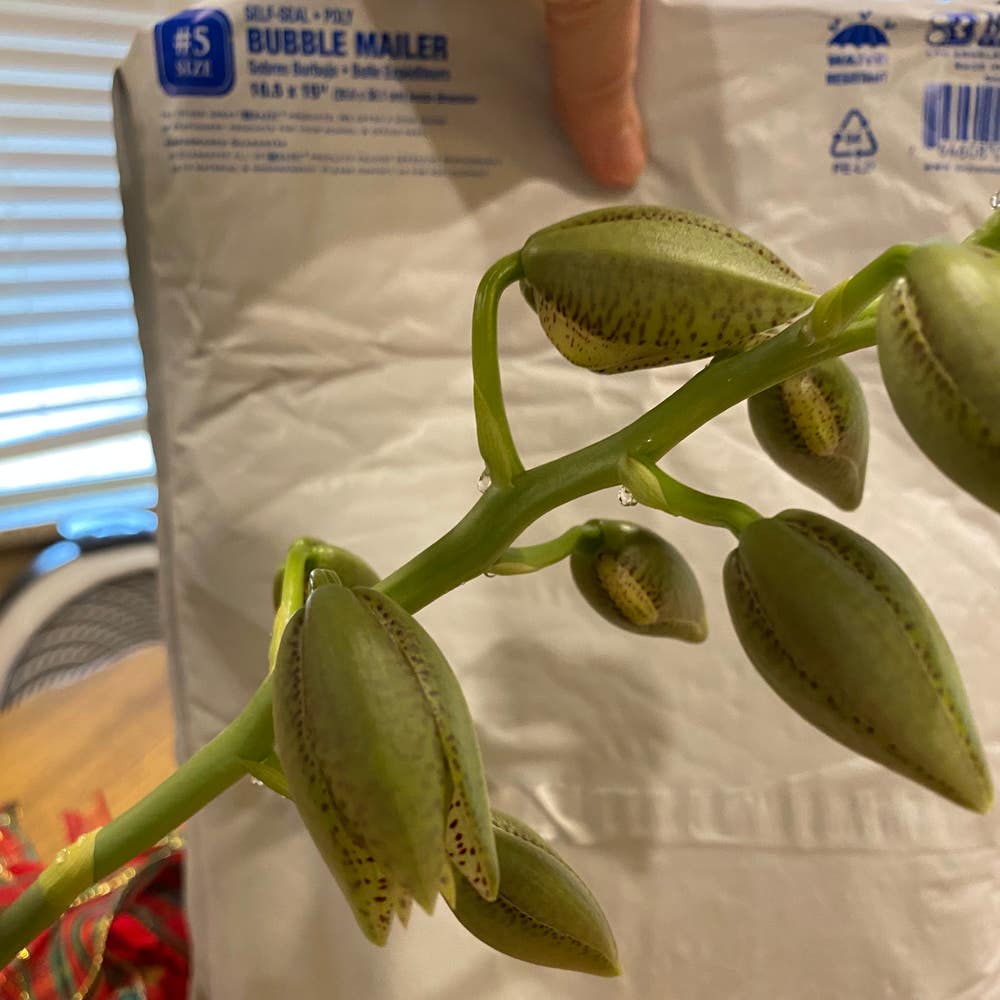
Catasetum Zones 🌸
Catasetum 'Susan Fuchs'
By the Greg Editorial Team
Jan 06, 2025•5 min read
This article was created with the help of AI so we can cover more plants for you. May contain errors. See one? Report it here.
Cultivate stunning Catasetum orchids 🌸 by mastering their temperature needs and creating the perfect growing environment!
- 🌡️ Catasetum thrives in warm temperatures between 70°F to 90°F (21°C to 32°C).
- 🌿 Ideal USDA zones for Catasetum are 10-11, perfect for states like Florida and California.
- 💧 High humidity and well-draining soil are crucial to prevent root rot in Catasetum.
Catasetum Temperature Tolerance
❄️ Cold Tolerance
Catasetum orchids are not fans of the cold. They generally struggle in temperatures below 50°F (10°C), making them unsuitable for chilly climates.
While some varieties might handle a light frost, prolonged exposure can be detrimental. It's crucial to protect these plants from harsh winter conditions to ensure their survival.
☀️ Heat Tolerance
On the flip side, Catasetum thrives in warmth. Ideal daytime temperatures range from 70°F to 90°F (21°C to 32°C), providing the perfect environment for growth.
However, excessive heat can lead to stress and damage. If temperatures soar above 90°F for extended periods, these orchids may suffer, so it's essential to monitor their conditions closely.
🌡️ Specific Temperature Ranges for Optimal Growth
For optimal growth, Catasetum requires a balance between daytime and nighttime temperatures. Maintaining a difference mimics their natural habitat, promoting healthy development.
Humidity also plays a vital role. High humidity levels, combined with the right temperatures, create an ideal environment for Catasetum to flourish.
Ideal Growing Regions for Catasetum
🌎 Examples of US States Suitable for Catasetum
Catasetum orchids thrive in USDA zones 10-11, making certain states prime locations for their growth. Florida, California, Texas, and parts of Hawaii stand out as ideal environments for these vibrant plants.
In Florida, the subtropical climate provides consistent warmth and humidity, especially in regions like Miami and Orlando. California's coastal areas, such as San Diego, offer a perfect blend of sun and moisture, while Texas has regions like the Gulf Coast that create a welcoming habitat. Hawaii, with its tropical climate, is naturally suited for Catasetum, particularly on the Big Island.
🌱 Factors Contributing to Ideal Growing Conditions
Several climate characteristics contribute to the success of Catasetum cultivation. Warm temperatures, high humidity, and minimal frost occurrences are essential for these orchids to flourish.
Soil and drainage are equally important. Catasetum prefers well-draining soils that can retain moisture without becoming waterlogged. This balance helps prevent root rot while ensuring the plants have access to the water they need to thrive.
Understanding these factors can significantly enhance your chances of growing healthy Catasetum orchids. With the right conditions, these stunning plants can become a vibrant part of your garden or indoor collection.
As we explore further, let’s dive into the microclimates that can also play a crucial role in the growth of Catasetum.
Microclimates and Catasetum
🌱 How Microclimates Can Affect Catasetum Growth
Microclimates play a crucial role in the growth of Catasetum orchids. They can provide protection from harsh winds, enhance warmth, and retain humidity, creating a more favorable environment for these tropical plants.
However, not all microclimates are beneficial. Some areas may become excessively hot or dry, which can stress Catasetum and hinder its growth. Understanding these dynamics is essential for successful cultivation.
🌍 Examples of Microclimates that Benefit Catasetum
Urban environments often create heat islands, where buildings and pavement absorb and retain heat. This phenomenon can lead to warmer conditions that are advantageous for Catasetum, especially during cooler months.
Coastal areas also offer moderated temperatures due to the proximity to water bodies. The consistent humidity and milder climate can significantly benefit Catasetum, allowing it to thrive in a more stable environment.
In summary, recognizing and utilizing microclimates can enhance your Catasetum growing experience. By strategically placing these orchids in optimal locations, you can foster their growth and health effectively.
Next, we will explore the ideal growing regions for Catasetum, focusing on specific US states that provide the best conditions for these beautiful orchids.
State-Level Suitability for Catasetum
🌞 List of US States Within Suitable Hardiness Zones
Catasetum thrives in USDA zones 10-11, making several states ideal for its growth. The top contenders include:
- Florida: Known for its warm climate, particularly in southern regions like Miami and the Florida Keys.
- California: Coastal areas and the southern part of the state, especially around Los Angeles and San Diego, provide perfect conditions.
- Texas: Regions like the Gulf Coast and southern Texas offer the warmth and humidity Catasetum loves.
- Hawaii: The tropical climate throughout the islands is naturally suited for Catasetum.
- Louisiana: The humid subtropical climate, especially in southern Louisiana, supports healthy growth.
- Arizona: While it can be hot, areas with higher elevation can provide suitable conditions.
- Parts of New Mexico: Specifically, regions that experience milder winters and adequate moisture.
🚫 List of US States Unsuitable for Catasetum
Unfortunately, not all states can provide the warmth and humidity Catasetum needs. States that fall outside the suitable zones include:
- North Dakota
- Montana
- Parts of the Midwest: States like South Dakota and Nebraska also struggle with the necessary climate.
These areas typically experience prolonged freezing temperatures and insufficient warmth, making it difficult for Catasetum to thrive.
❄️ Explanation of Why Certain States Are Not Suitable
Catasetum's deciduous nature means it requires a warm environment to survive. In colder climates, the plant struggles to endure the harsh winters.
Frost is a significant concern, as the timing of the first and last frost dates can severely impact growth. If Catasetum is exposed to frost too early in the spring or too late in the fall, it can hinder its ability to flourish.
Understanding these factors can help you choose the best location for cultivating Catasetum, ensuring a vibrant and healthy plant. As we explore the next section, we’ll delve into how microclimates can further influence Catasetum growth.
⚠️ Safety First
This content is for general information and may contain errors, omissions, or outdated details. It is not medical, veterinary advice, or an endorsement of therapeutic claims.
Always consult a qualified healthcare professional before using any plant as food, medicine, or supplement.
Never eat any plant (or feed one to pets) without confirming its identity with at least two trusted sources.
If you suspect poisoning, call Poison Control (800) 222-1222, the Pet Poison Helpline (800) 213-6680, or your local emergency service immediately.
Spotted an error? Please report it here.
Keep your Catasetum orchids thriving 🌱 by using Greg's tailored care reminders and climate insights to create their perfect warm, humid environment!