Determining What Might Be Eating Your Calico Kitten 🐱
Crassula pellucida 'Variegata'
By the Greg Editorial Team
Sep 30, 2024•7 min read
This article was created with the help of AI so we can cover more plants for you. May contain errors. See one? Report it here.
- 🐾 Calico kittens are at risk from garden herbivores like deer, rabbits, and squirrels.
- 🌱 Young plants are most vulnerable in spring; protect them from hungry animals.
- 🚫 Use fencing and organic repellents to deter herbivores and safeguard your garden.
Appearance and Appeal
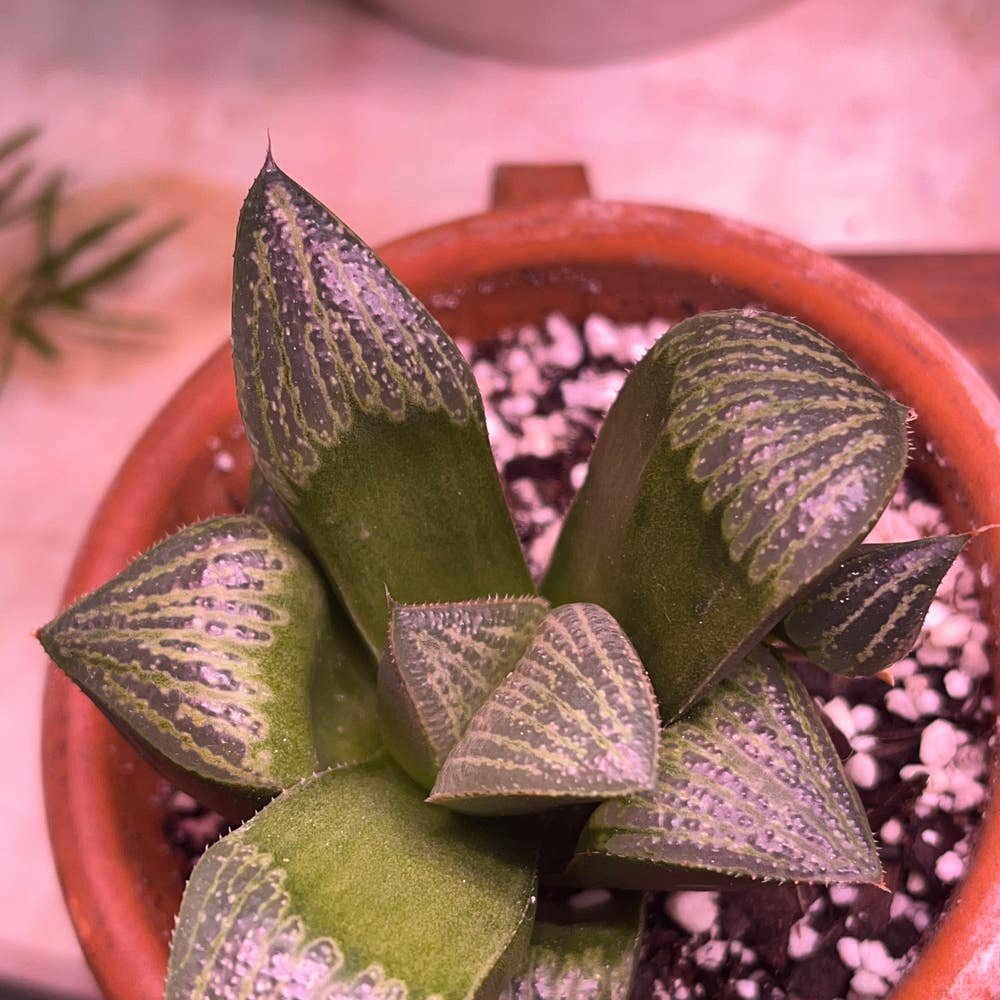
Calico kittens are a visual delight, showcasing vibrant foliage with shades of green, pink, and cream. Their succulent structure not only captivates the eye but also retains moisture, making them a unique addition to any garden.
🐾 Most Appealing Parts to Animals
Certain parts of these plants are particularly enticing to animals.
- Young Shoots: Their tender texture and high moisture content make them irresistible.
- Flowers: Bright colors and nectar-rich offerings attract both pollinators and herbivores alike.
- Fruits: Juicy and easily accessible, these fruits appeal to a variety of animals, enhancing their allure.
Understanding these appealing features can help you protect your calico kitten from potential threats. As we delve deeper into the common herbivores that might be drawn to your plants, you'll gain insights into how to safeguard your garden effectively.
Common Herbivores
🦌 Deer
Signs of presence
Look for distinct hoof prints in the soil and dark, pellet-like droppings near your plants. These signs indicate that deer are frequent visitors.
Type of damage caused
Deer often browse on leaves and young shoots, stripping them bare and stunting growth. This can lead to significant damage, especially in young gardens.
Beneficial vs. harmful interaction
Generally, deer interactions are harmful. They can decimate plant populations, leaving your garden looking bare.
Deterrent methods
To keep deer at bay, consider installing 8-foot tall fencing. You can also use commercial deer repellents or homemade solutions like garlic spray for added protection.
🐇 Rabbits
Signs of presence
Rabbits leave behind chewed stems and leaves, often with clean cuts at a 45-degree angle. You might also find small, round droppings scattered around.
Type of damage caused
These furry pests can cause severe damage to young plants, eating leaves and stems down to the ground. This can be devastating for your garden.
Beneficial vs. harmful interaction
Rabbits are generally harmful, leading to significant plant loss. Their appetite can quickly turn your garden into a barren landscape.
Deterrent methods
To deter rabbits, use netting to cover your plants. Organic repellents made from hot pepper or garlic can also be effective.
🐿️ Squirrels
Signs of presence
Look for chewed bark on stems and branches, as well as visible nests in nearby trees or shrubs. These are telltale signs of squirrel activity.
Type of damage caused
Squirrels strip bark, weakening the plant structure and making it more susceptible to disease. This can lead to long-term health issues for your plants.
Beneficial vs. harmful interaction
Interactions with squirrels are generally harmful. Their activities can stress your plants and reduce their overall vitality.
Deterrent methods
Scare tactics like reflective objects or noise-making devices can help keep squirrels away. Additionally, live traps can be used to relocate them safely.
🐦 Birds
Signs of presence
Pecked fruits with visible holes or damage indicate birds are around. You may also find nests in nearby trees or shrubs.
Type of damage caused
Birds often eat flowers and fruits, which reduces plant reproductive success. This can hinder your garden's ability to thrive.
Beneficial vs. harmful interaction
Bird interactions are mixed. While some birds pollinate, others can cause damage to your plants.
Deterrent methods
Using netting to cover plants can protect fruits and flowers. Hanging shiny objects can also deter birds from feasting on your garden.
🐭 Rodents
Signs of presence
Look for small burrows or tunnels near your plants, along with small, dark droppings. These signs indicate rodent activity.
Type of damage caused
Rodents can cause root damage by eating underground parts, leading to plant decline. This can be particularly harmful to young plants.
Beneficial vs. harmful interaction
Rodents are generally harmful, as they can cause significant damage to your plants. Their presence can lead to a decline in garden health.
Deterrent methods
Using snap traps or live traps can help remove rodents from your garden. Habitat modification, such as reducing cover and food sources, can also deter them.
🦡 Groundhogs
Signs of presence
Groundhogs leave large burrows near plants and distinctive gnaw marks on stems and leaves. These signs are clear indicators of their presence.
Type of damage caused
They can cause extensive damage, often consuming entire plants. This can lead to significant loss in your garden.
Beneficial vs. harmful interaction
Groundhogs are generally harmful and can devastate garden areas. Their appetite can quickly turn your hard work into a loss.
Deterrent methods
To keep groundhogs out, consider strong fencing that extends underground to prevent burrowing. You can also use commercial or homemade repellents, like castor oil, for added protection.
Understanding these common herbivores and their impact on your garden is crucial. By implementing effective deterrent methods, you can protect your plants and maintain a thriving garden ecosystem.
Beneficial Animals
🐝 Attracting Beneficial Insects
Your garden isn't just a buffet for herbivores; it's also a haven for beneficial insects. Pollinators like bees and butterflies play a crucial role in enhancing plant reproduction.
🦗 The Role of Predatory Insects
Predatory insects, such as ladybugs and lacewings, are nature's pest control agents. They help regulate harmful insect populations, keeping your plants healthy and thriving.
🌱 Positive Impacts on the Garden Ecosystem
Pollination
Pollination is essential for fruit and seed production. Without these busy pollinators, your garden would struggle to produce the bounty you desire.
Pest Control
Beneficial insects naturally regulate harmful insect populations. This balance helps maintain a healthy ecosystem, allowing your plants to flourish without the overuse of chemicals.
Incorporating these beneficial animals into your garden can lead to a vibrant, productive space. By fostering an environment that attracts them, you not only protect your plants but also contribute to the overall health of your garden ecosystem.
Next, let’s explore some general protection strategies to safeguard your plants from potential threats.
General Protection Strategies
🛡️ Preventive Measures
Fencing is one of the most effective ways to deter larger herbivores from munching on your plants. A sturdy barrier, ideally at least 8 feet tall, can keep deer and other critters at bay.
Companion planting is another smart strategy. By choosing plants that repel pests or attract beneficial insects, you can create a thriving garden ecosystem that naturally protects itself.
⚠️ Reactive Solutions
When prevention isn't enough, traps can provide immediate relief from pests. Snap traps or live traps can help you manage unwanted visitors effectively.
Organic repellents are also a great option. These safe alternatives to chemical deterrents can keep pests away without harming your plants or the environment.
🌱 Balancing Ecosystem Health
It's essential to strike a balance between protecting your plants and encouraging beneficial wildlife. While you want to manage harmful interactions, attracting pollinators and predatory insects can enhance your garden's health.
By fostering a diverse ecosystem, you can enjoy a flourishing garden while minimizing damage from herbivores. This approach not only protects your plants but also enriches the overall environment.
As you implement these strategies, remember that a healthy garden thrives on balance. Next, let’s explore how seasonal changes can affect animal attraction and plant vulnerability.
Seasonal Considerations
🐾 Seasonal Variations in Animal Attraction
As the seasons change, so does the activity of various animals in your garden. In spring, you'll notice a surge in animal activity as they emerge from hibernation, eager to munch on fresh greenery.
During summer, young shoots and vibrant flowers become irresistible to herbivores. This is when your plants are most at risk, as animals seek out the tender, juicy parts for their meals.
⏰ Timing of Plant Vulnerability
Young shoots are particularly vulnerable in early spring. This is when they are just starting to grow and are at their most tender, making them prime targets for hungry critters.
The flowering period is also critical for protection. Flowers not only attract pollinators but can also draw in herbivores looking for a snack, so vigilance is key during this time.
Understanding these seasonal patterns can help you better protect your plants and maintain a thriving garden. As we move forward, let’s explore some general protection strategies to keep those pesky animals at bay.
⚠️ Safety First
This content is for general information and may contain errors, omissions, or outdated details. It is not medical, veterinary advice, or an endorsement of therapeutic claims.
Always consult a qualified healthcare professional before using any plant as food, medicine, or supplement.
Never eat any plant (or feed one to pets) without confirming its identity with at least two trusted sources.
If you suspect poisoning, call Poison Control (800) 222-1222, the Pet Poison Helpline (800) 213-6680, or your local emergency service immediately.
Spotted an error? Please report it here.
Safeguard your garden from hungry herbivores while nurturing a thriving ecosystem 🌿 with Greg's personalized tips on effective deterrents and companion planting to keep your calico kitten's space flourishing!