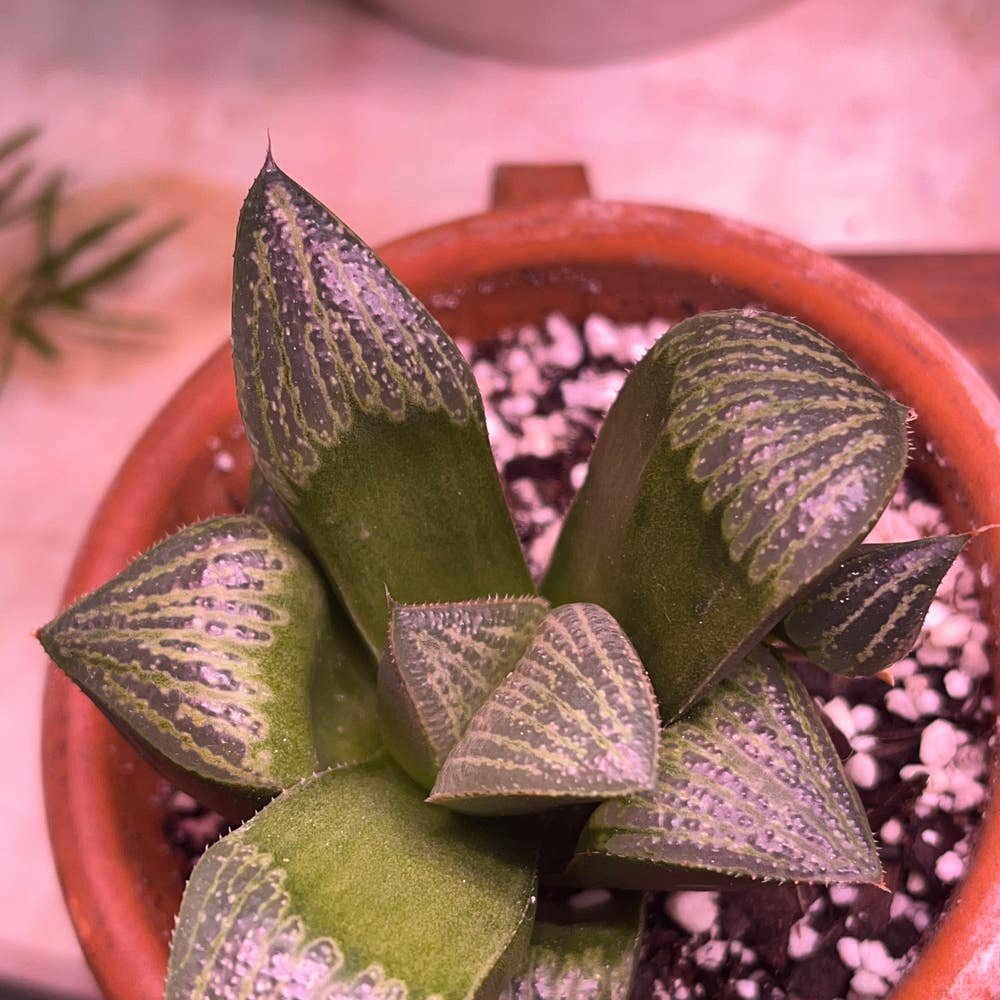
Why Are My Calico Kitten Leaves Falling Over?
Crassula pellucida 'Variegata'
By the Greg Editorial Team
Jun 18, 2024•3 min read
This article was created with the help of AI so we can cover more plants for you. May contain errors. See one? Report it here.
- Overwatering and root rot lead to droopy leaves; check soil before watering.
- 🌞 Bright indirect light and consistent temperatures keep leaves perky.
- Repot when cramped; choose the right pot and inspect roots.
Pinpointing the Culprits Behind the Tumble
💧 Overwatering Woes
Yellow, swollen leaves on your Calico Kitten? Overwatering might be the villain. These leaves can burst, turning brown or black, and fall off with a mere nudge. Root rot is the grim reaper here, thriving in wet soil and feasting on your plant's roots. To combat this, enhance air circulation and adjust your watering habits pronto.
🏜️ Underwatering and Thirsty Roots
Conversely, a Calico Kitten gasping for water will sport thirsty, damaged leaves. If it's been a month of neglect, give it a thorough soak—think deep watering, not a light tease. Ensure the soil is moist to the touch to signal a job well done. Remember, underwatering is fixable, but it's a fine line between quenching thirst and drowning.
🌞 Light and Temperature: Finding the Sweet Spot
Too much sun can turn your Calico Kitten's leaves into a crispy critter. Aim for bright indirect sunlight—a sunny window spot without the harsh midday glare. And watch out for temperature swings; they can make your plant's leaves droop like a disappointed parent. Keep it cozy, not too hot, not too cold.
🌱 Cramped Quarters: The Pot Size Problem
If your plant's roots are circling the pot's bottom like a caged animal, it's time for a bigger home. Pot size matters; cramped roots can't support healthy leaves. Spot roots peeking out of drainage holes? That's your cue for a pot upgrade. Give your plant the space it deserves, and watch it stand tall.

Turning Over a New Leaf: Remedial Steps
💧 Fine-Tuning Your Watering Technique
Soil moisture is your Calico Kitten's secret handshake. Before you water, dig a finger into the soil; if the top inch feels like a dry martini, it's time to hydrate. Adjust your watering to the beat of your plant's needs, not the calendar's.
🌞 Light and Temperature Adjustments
Relocate your plant to dodge the harsh sunburn of direct light, aiming for a cozy glow instead. Keep temperature swings in check—your plant's not a fan of surprise weather changes.
🌱 Repotting for Relief
When giving your plant a new home, think of it as a careful relocation program. Choose a pot that's the next size up, with drainage to match. During the move, inspect the roots like a health inspector; snip the sketchy bits, and settle your plant into its upgraded digs with gentle hands.

Keeping Your Plant Upright: Prevention Strategies
💧 Watering Wisdom: Preventing Future Flops
Crafting a watering routine that's just right is like setting an alarm clock—you do it for the well-being of your day, or in this case, your plant. Check the soil moisture before you water; if it's dry an inch down, it's time to water. If not, let it be.
Choosing the right soil is crucial; it should drain like a dream yet hold enough moisture to quench your plant's thirst. Think of it as a mattress for roots—it needs to be firm yet comfortable.
🌡️ Consistent Comfort: Environmental Consistency
Monitoring your plant's world for steady growth means playing the role of a plant's personal meteorologist. Keep an eye on the temperature and make sure it doesn't swing like a pendulum.
Adapting care with the seasons is about being proactive. Less water in winter, more vigilance in summer. It's about keeping your plant's life as predictable as a well-scripted TV show, minus the plot twists.

⚠️ Safety First
This content is for general information and may contain errors, omissions, or outdated details. It is not medical, veterinary advice, or an endorsement of therapeutic claims.
Always consult a qualified healthcare professional before using any plant as food, medicine, or supplement.
Never eat any plant (or feed one to pets) without confirming its identity with at least two trusted sources.
If you suspect poisoning, call Poison Control (800) 222-1222, the Pet Poison Helpline (800) 213-6680, or your local emergency service immediately.
Spotted an error? Please report it here.
Keep your Calico Kitten's leaves perky and healthy 🌿 with Greg's tailored care reminders, ensuring just-right watering, pot size, and cozy temps from our plant-loving community's wisdom.