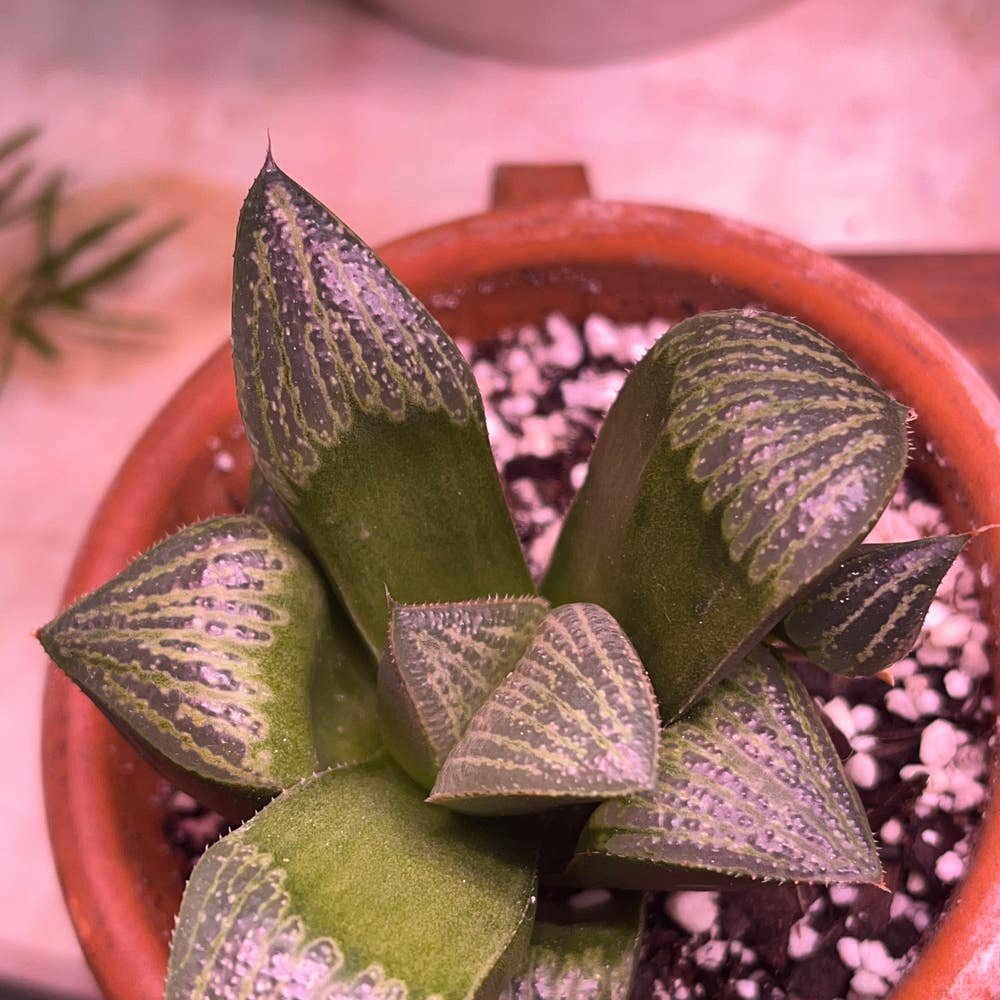
🐱 Year-Round Light Requirements For My Calico Kitten
Crassula pellucida 'Variegata'
By the Greg Editorial Team
Jun 18, 2024•3 min read
This article was created with the help of AI so we can cover more plants for you. May contain errors. See one? Report it here.
- 🌞 Bright, indirect sunlight year-round keeps Calico Kittens thriving.
- 🌱 Rotate regularly and adjust light with seasons for even growth and blooms.
- 💡 Use LED grow lights indoors for full-spectrum light without heat stress.
Soaking Up the Sun: Calico Kitten's Love for Light
🌞 Outdoor Light Bliss
Bright, indirect sunlight is the sweet spot for outdoor Calico Kittens. It's like their personal spa—enough light to thrive, but no risk of a sunburn.
To dodge harsh rays, provide afternoon shade or use a sheer curtain as a plant parasol. This way, your Calico Kitten avoids the midday sun's glare like a smart beachgoer seeking shelter during peak UV hours.
🌟 Indoor Light Harmony
Find the Goldilocks zone indoors: a spot where bright, indirect light reigns supreme. Near a north-facing window is often a jackpot, where the sun plays a gentle game of hide and seek with your plant.
Embrace the rotation ritual—turn your Calico Kitten regularly to promote even growth and prevent the dreaded one-sided stretch. Think of it as a rotating stage for your plant's daily light show.

Seasonal Light Shifts: Adapting to the Calendar
🌷 Spring and Summer Strategies
As the days lengthen in spring and summer, your Calico Kitten will crave more light. This is the time to maximize sunlight exposure, but with a careful eye to prevent sunburn. Gradually increase the time your plant spends in bright, indirect light to encourage robust growth.
🍂 Fall and Winter Adjustments
When daylight savings ends and the nights draw in, your Calico Kitten needs a different approach. Shorter days mean less natural light, so consider moving your plant closer to a bright window. However, avoid cold drafts that often accompany window sills in the winter. If natural light is scarce, think about supplemental lighting to keep your plant happy. Remember, less light also means less water – don't drown your succulent in love.

Let There Be Light: Flower Power and Grow Lights
💡 The Flowering Phenomenon
Light is the secret sauce for the Calico Kitten's flowering. These succulents, like many plants, respond to light cues to initiate blooming. While they enjoy bright, indirect light, a shift towards slightly longer periods of light can encourage them to put on a floral show. It's not a guarantee, but better lighting ups your odds.
💡 Grow Light Game Plan
Choosing the right grow lights is crucial for your indoor Calico Kitten. LEDs are the gold standard, offering a full spectrum of light without the heat stress. Fluorescents are the budget-friendly backup dancers, still effective but less flashy.
Placement is key—too close and you'll fry the leaves, too far and the plant gets leggy. Aim for a setup that bathes your Calico Kitten in light akin to a sunny but not scorching day.
Timing is everything. A grow light schedule should mimic natural daylight hours—think 12 to 14 hours of light, followed by restful darkness. Use a timer to automate this cycle; it's like setting an alarm clock for your plant's light diet. Too much or too little light, and you're throwing off the rhythm.
Remember, it's a dance of observation and adjustment. No flowers? Maybe it's time to turn up the dial on those grow lights. Leaves looking sunburnt? Dial it back. Watch your plant's response like a hawk and tweak as needed. Your Calico Kitten will thank you with growth, and if you're lucky, blooms.

⚠️ Safety First
This content is for general information and may contain errors, omissions, or outdated details. It is not medical, veterinary advice, or an endorsement of therapeutic claims.
Always consult a qualified healthcare professional before using any plant as food, medicine, or supplement.
Never eat any plant (or feed one to pets) without confirming its identity with at least two trusted sources.
If you suspect poisoning, call Poison Control (800) 222-1222, the Pet Poison Helpline (800) 213-6680, or your local emergency service immediately.
Spotted an error? Please report it here.
Rotate your Calico Kitten with confidence through the seasons, as Greg's customized 🔄 reminders ensure it gets the perfect balance of light and shade all year long.