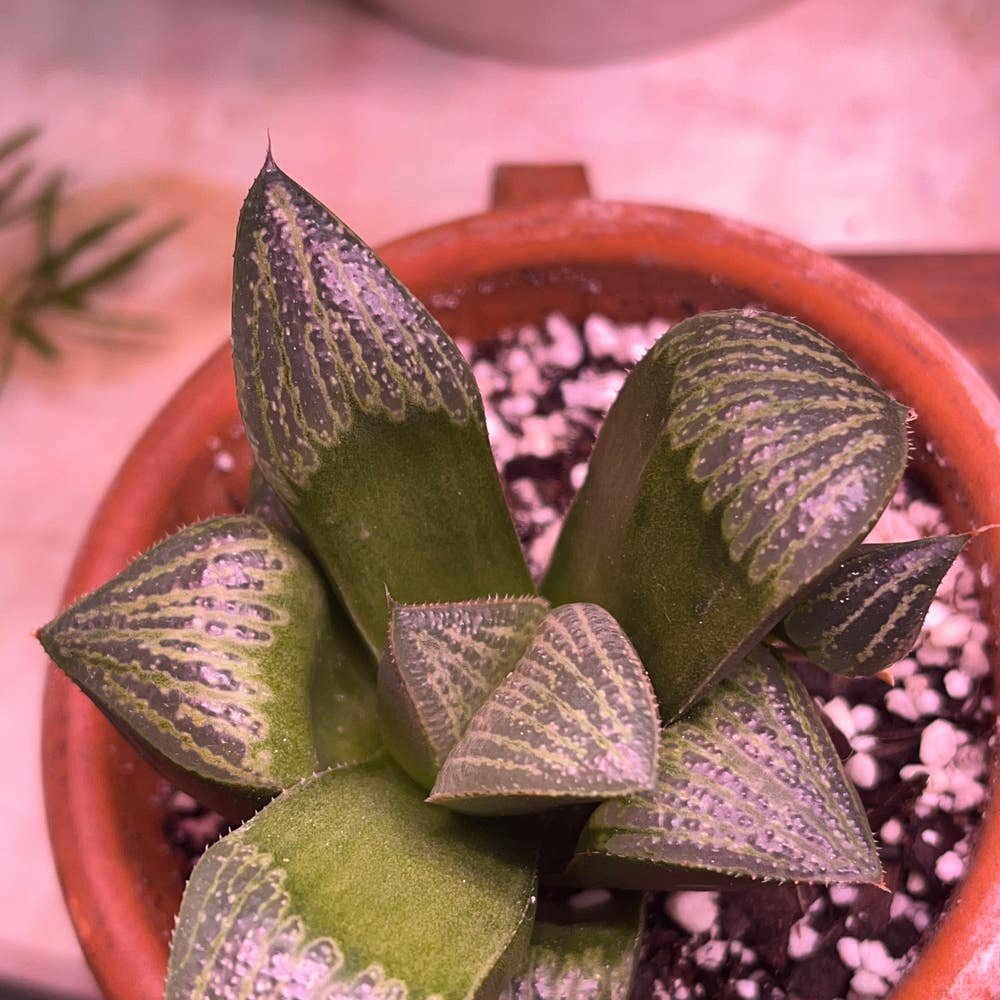
How Do I Propagate My Calico Kitten? 🐱
Crassula pellucida 'Variegata'
By the Greg Editorial Team
Jun 18, 2024•4 min read
This article was created with the help of AI so we can cover more plants for you. May contain errors. See one? Report it here.
- Early spring stem cuttings yield the best propagation success.
- 🍂 Choose healthy leaves and stems, use rooting hormone, and be patient.
- Balance moisture and light to prevent rot and encourage growth.
Snip and Start: Stem Cuttings
🌱 Choosing Your Champion Stem
To kickstart propagation, select a stem that screams health—lush, blemish-free, and firm to the touch. Timing is everything; early spring is your golden window for snipping, giving your cuttings the best shot at thriving.
🌿 Prepping and Planting
Disinfect your shears or knife first—clean cuts prevent drama. Snip below a node, about 1/4 inch, and let the cutting callus over for a day or two. This is like prepping a shield against rot.
Rooting hormone? It's your secret weapon. Dip the callused end in it to turbocharge root growth. Plant the stem in a succulent mix, in a pot that's snug but not cramped. Water sparingly—think of it as a teaser, not a flood.
Patience is your new best friend. Roots are shy and take time to emerge, so keep your cool and wait for the magic to happen.

Leaf by Leaf: Propagating from Leaves
🍃 Selecting the Perfect Leaf
To kickstart your Calico Kitten propagation, choose leaves that are plump and unblemished. Spotty or damaged leaves are a no-go, as they're less likely to root successfully.
🕰 The Waiting Game
Once you've gently twisted off your chosen leaves, lay them out to dry. This isn't the time to rush; allow a callus to form over a few days, protecting the leaf from rot.
Keep an eye out for roots sprouting from the base of the leaf, a surefire sign that it's time to transition to soil. Remember, patience is a virtue—don't drench your hopefuls, just keep the soil slightly moist and wait for nature to do its thing.

Creating the Ideal Propagation Pad
💡 Light, Temperature, and Humidity
Creating the perfect environment for your Calico Kitten propagation is crucial. These succulents need a Goldilocks zone of conditions: not too hot, not too cold, and just the right amount of moisture. Aim for a consistent temperature between 65-75°F (18-24°C) to keep your cuttings comfortable. Bright, indirect light is essential; direct sunlight is a definite no, as it can lead to scorched leaves and stunted growth. If you're a tech enthusiast, consider a grow light to provide a steady light source.
🚰 Watering Wisely
Watering your Calico Kitten cuttings and leaves is a balancing act. The soil should be like a well-squeezed sponge—moist but not waterlogged. Establish a watering schedule that maintains this balance, taking into account the humidity and temperature of your propagation area. Overwatering is as detrimental as underwatering, so observe your plants and adjust accordingly. Remember, young cuttings are vulnerable; they need your attentive care to thrive.

Growth Watch: Caring for Your New Plants
🌱 The First Signs of Success
New growth is your green flag that propagation is working. Look for tiny roots or shoots on your cuttings and leaves. This could take 4-6 weeks, so patience is a virtue here.
🚫 Common Setbacks and Solutions
🍂 Rot: The Wet Enemy
If your cuttings start to brown and mush, you've got rot. Cut back on water and ensure proper drainage. Sometimes, you might need to start over, but that's part of the game.
⏳ Slow Root Development: The Waiting Game
Slow roots don't always mean failure. Keep the faith and maintain consistent care. If you're antsy, use a clear container to spy on those roots without poking around.
🐜 Pests: Uninvited Guests
Pests love your succulents as much as you do. If you spot any freeloaders, isolate the plant and treat with an appropriate insecticide or natural remedy. Vigilance is key.
Remember, your propagated plants are like toddlers; they need constant supervision but also room to breathe. Keep an eye out, but don't smother them with love (or water).
⚠️ Safety First
This content is for general information and may contain errors, omissions, or outdated details. It is not medical, veterinary advice, or an endorsement of therapeutic claims.
Always consult a qualified healthcare professional before using any plant as food, medicine, or supplement.
Never eat any plant (or feed one to pets) without confirming its identity with at least two trusted sources.
If you suspect poisoning, call Poison Control (800) 222-1222, the Pet Poison Helpline (800) 213-6680, or your local emergency service immediately.
Spotted an error? Please report it here.
Nurture your Calico Kitten cuttings to life 🌱 with Greg's personalized care reminders, ensuring your propagation thrives without the guesswork!