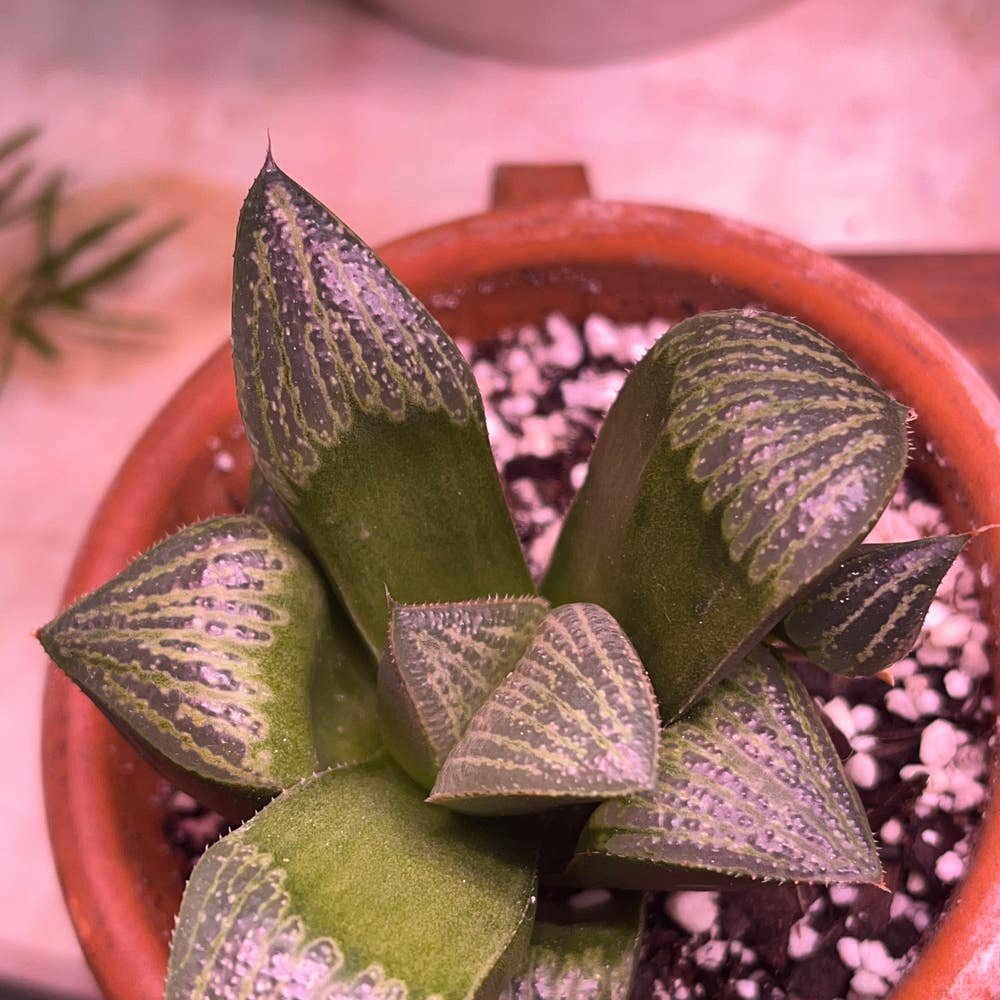
Why Are My Calico Kitten Leaves Curling?
Crassula pellucida 'Variegata'
By the Greg Editorial Team
Jun 18, 2024•5 min read
This article was created with the help of AI so we can cover more plants for you. May contain errors. See one? Report it here.
- Environmental stressors like light and humidity cause leaf curl; adjust surroundings.
- Water wisely—balance moisture levels and ensure good drainage to prevent curling.
- Combat pests and diseases with insecticidal soap and fungicides for healthy leaves.
Pinpointing the Culprits Behind Curly Leaves
💡 Environmental Stressors
Temperature and light are crucial for Calico Kitten plants. Too much heat can dehydrate leaves, causing them to curl, while insufficient light leads to weak, reaching leaves. Humidity is also a key player; too dry, and the leaves will tell you with a curl.
🚑 Quick Fixes for Environmental Stress
- Move your plant to a spot with indirect, bright light.
- Maintain a consistent temperature; avoid placing near drafty windows or heat sources.
- Increase humidity with a pebble tray or humidifier.
🏜️ Thirsty or Drowning? Watering Woes
Watering Calico Kitten plants is a delicate dance. Overwatering leads to leaves curling down, while underwatering will cause them to curl up. Both are cries for help.
🚰 Balancing Watering
- Check the soil moisture before watering; it should be dry an inch below the surface.
- Establish a routine to avoid the extremes of too much or too little water.
- Ensure proper drainage to prevent root rot.
🍃 Soil Secrets: The Foundation of Healthy Leaves
Soil is the Calico Kitten's home base. It should be well-draining yet retain enough moisture to prevent leaf curl. Nutrient imbalances can also cause trouble, manifesting as curling or discoloration.
🌱 Soil Types and Amendments
- Use a potting mix designed for succulents and cacti.
- Amend with perlite or sand to improve drainage.
- Fertilize sparingly; too much can harm more than help.

Battling Pests and Diseases
🐜 Unwanted Guests: Pests that Crinkle Leaves
Pests are leaf curl culprits, loving your Calico Kitten's leaves a bit too much. Mealybugs, spider mites, and aphids are the usual suspects. To combat these pests, insecticidal soap or a diluted rubbing alcohol solution is your go-to. Apply with precision and persistence to send these pests packing.
🦠 Disease Dilemmas
Diseases can be stealthy, causing leaves to curl as they take hold. Fungal infections often manifest as discolored or spotted leaves. To treat, prune affected areas and apply a fungicide, following the label instructions to the letter. Prevention is your best defense; ensure good air circulation and avoid wetting the leaves to keep fungal parties at bay.

Leaf Curling First Aid: Quick Remedies
💨 Environmental Tweaks for Leaf Relief
Adjusting your Calico Kitten's environment can work wonders. If it's too hot, cool it down. Too dark? Let there be light—but not too much, lest you fry the delicate leaves. Keep it simple: move your plant to a happier place.
💧 Watering Routines and Soil Adjustments
Watering is an art form. Too much, and your plant's drowning; too little, and it's parched. Aim for moist soil, like a well-squeezed sponge. If the soil clings to your finger without dripping, you've hit the jackpot. And don't forget drainage—good flow prevents soggy disasters.
🐜 Pest and Disease Eradication
For pests, it's battle time. Insecticidal soap or neem oil can be your weapons of choice. Apply with the precision of a sniper to keep your plant's leaves pest-free. Spot a disease? Prune the affected areas with the care of a surgeon and consider a fungicide, but don't go overboard—plants aren't fans of chemical baths.

Keeping Leaves Lush and Flat: Prevention Tips
🌞 Consistency is Key: Maintaining Ideal Conditions
Consistency—it's not just a buzzword; it's your Calico Kitten's best friend. To maintain a curl-free zone, replicate the stable conditions of its natural habitat. That means providing bright, indirect light to keep those variegated leaves vibrant. Too much sun? Leaves protest with a curl. Too little? They'll grow dull and leggy. Find that sweet spot where the light is just right, and stick to it.
Rotate your plant periodically to ensure all sides receive equal attention from the sun. This prevents the plant equivalent of a bad tan line, keeping growth even and leaves flat. And remember, your Calico Kitten is a creature of habit. It thrives on routine, so establish a care schedule and adhere to it like it's the law of the land.
💧 Ongoing Care: Watering and Soil Checks
Watering is a delicate dance—too much, and roots drown; too little, and leaves curl up in thirst. Water sparingly, allowing the soil to dry out between waterings. In the winter, dial it back even more. Your plant's not doing the cha-cha; it's more of a slow waltz during the colder months.
Soil is the unsung hero in the fight against leaf curl. It should drain faster than a sink with new pipes. Mix in perlite or vermiculite to keep it airy—think of it as the plant's breathable cotton tee. Regularly check the soil's moisture with a finger test; it's the old-school moisture meter that never fails.
Lastly, keep an eye out for pests. They're the uninvited guests at your plant's party. If you spot them, show them the door with a gentle but firm goodbye, using natural or chemical remedies as needed. Remember, prevention is better than cure, so keep those conditions ideal, and pests will likely look elsewhere to crash.
⚠️ Safety First
This content is for general information and may contain errors, omissions, or outdated details. It is not medical, veterinary advice, or an endorsement of therapeutic claims.
Always consult a qualified healthcare professional before using any plant as food, medicine, or supplement.
Never eat any plant (or feed one to pets) without confirming its identity with at least two trusted sources.
If you suspect poisoning, call Poison Control (800) 222-1222, the Pet Poison Helpline (800) 213-6680, or your local emergency service immediately.
Spotted an error? Please report it here.
Eradicate those pesky curls 🌀 in your Calico Kitten's leaves with Greg's spot-on care reminders for the perfect environment and watering schedule!