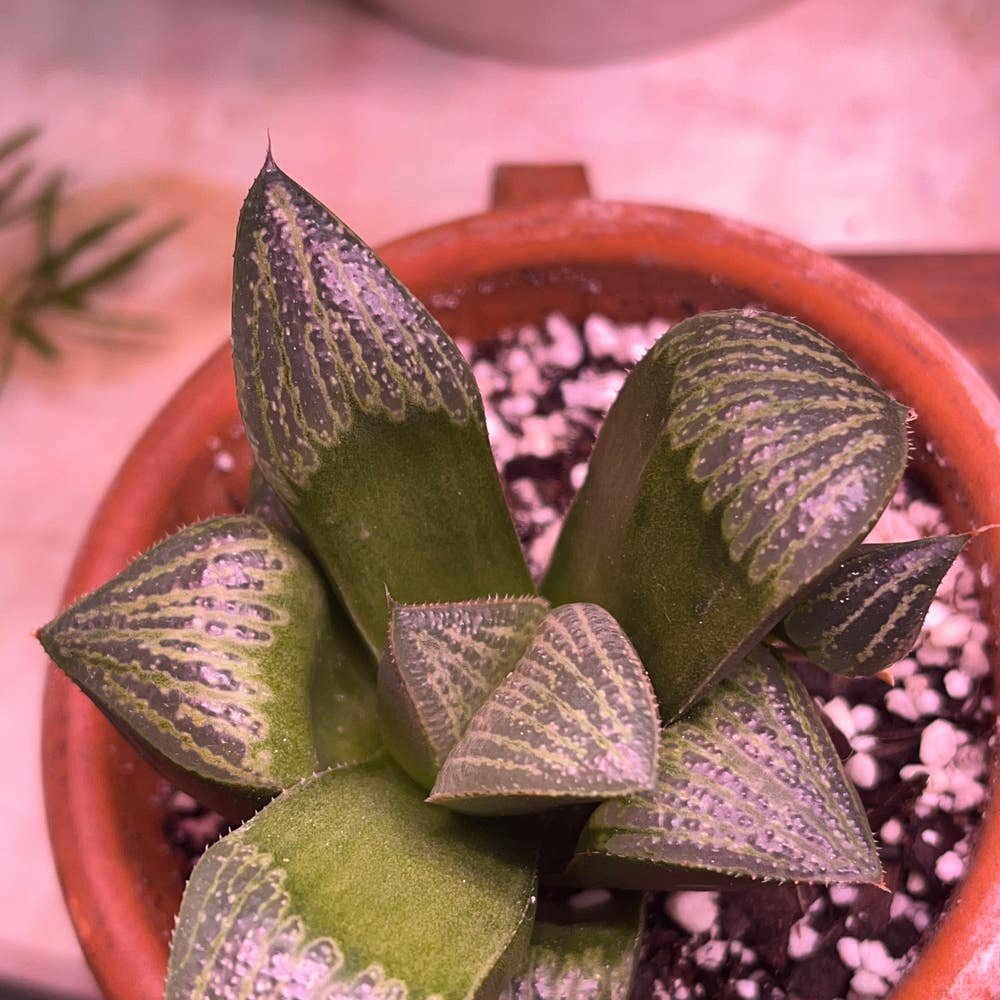
All About Your Calico Kitten's Roots 🐱
Crassula pellucida 'Variegata'
By the Greg Editorial Team
Sep 30, 2024•7 min read
This article was created with the help of AI so we can cover more plants for you. May contain errors. See one? Report it here.
- 🌱 Calico Kittens have shallow, fibrous roots for quick nutrient absorption and stability.
- 💧 Consistent moisture is vital; avoid overwatering to prevent root rot symptoms.
- 🌿 Healthy roots should be white and firm; monitor for signs of distress regularly.
Root System Characteristics
Type and Specific Characteristics 🐾
Calico Kittens boast a fibrous root system, which is essential for their growth and stability. This type of root system is designed for extensive nutrient absorption, allowing the plant to thrive in various conditions.
Their roots are shallow yet wide-spreading, making them adaptable to different pot sizes. This adaptability is crucial for ensuring that the plant can access nutrients and water efficiently.
Depth, Spread, and Growth Patterns 🌱
The root depth of Calico Kittens is generally shallow, which facilitates easy nutrient uptake. This shallow structure enables the plant to absorb essential nutrients quickly, especially in nutrient-rich environments.
Their root spread is wide-ranging, contributing to both stability and nutrient absorption. This characteristic helps the plant maintain balance, even in less-than-ideal conditions.
In terms of growth patterns, Calico Kittens exhibit rapid growth when placed in optimal conditions. They are also highly adaptable, thriving in various soil types and pot sizes, which makes them a favorite among plant enthusiasts.
Understanding these root system characteristics is vital for ensuring your Calico Kitten remains healthy and vibrant. With the right care, these plants can flourish beautifully, setting the stage for the next section on watering and fertilizing techniques.
Watering and Fertilizing Techniques
💧 Watering Practices
The fibrous root system of your Calico Kitten requires specific watering techniques. Consistent moisture is essential, but be cautious to avoid waterlogging, which can harm the roots.
Aim to water every 1-2 weeks, adjusting based on environmental conditions. If the leaves begin to droop or the soil feels dry, it’s time to give your plant a drink.
Be vigilant for signs of overwatering, such as yellowing leaves or a musty smell from the soil. Conversely, underwatering may lead to wilting and crispy leaf edges.
🌱 Fertilizing Tips
Fertilizing is crucial for maintaining root health. Use balanced NPK fertilizers to provide essential nutrients that support growth.
A monthly fertilization schedule during the growing season will keep your Calico Kitten thriving. Just remember to avoid over-fertilizing, as this can lead to fertilizer burn on sensitive roots.
Keeping an eye on your plant’s response to fertilization will help you adjust as needed. Healthy roots lead to a vibrant, flourishing plant, so nurture them well!
With proper watering and fertilizing techniques, your Calico Kitten will be on the path to robust growth and beauty. Next, let’s explore the best practices for transplanting and repotting your plant.
Transplanting and Repotting
🌱 Best Practices for Transplanting
Transplanting your Calico Kitten is best done in spring or early summer. This timing allows the plant to acclimate and thrive in its new environment.
To ensure a successful transplant, follow these steps:
- Prepare a new pot with fresh, well-draining soil.
- Gently remove the plant from its current pot.
- Inspect and trim any damaged roots.
- Place the plant in the new pot and fill with soil.
- Water thoroughly after transplanting.
These steps will help your plant adjust smoothly to its new home.
🔄 Signs Indicating When to Repot
Knowing when to repot is crucial for your plant's health. Look for these signs:
- Roots visible through drainage holes.
- Stunted growth despite proper care.
- Soil drying out too quickly.
If you notice any of these indicators, it’s time to give your Calico Kitten a new pot. Keeping an eye on these signs will help maintain a vibrant and healthy plant.
With proper transplanting and repotting, your Calico Kitten will continue to flourish. Next, let’s explore common root-related issues that can affect your plant's health.
Common Root-Related Issues
🦠 Identifying Root Rot and Other Diseases
Root rot is a common issue that can plague your Calico Kitten. Look for symptoms like brown, mushy roots and wilting leaves, even when you're watering adequately.
Other diseases can also affect your plant's roots. Keep an eye out for discoloration or unusual growth patterns that might indicate underlying issues.
🛠️ Solutions for Preventing and Treating Root Problems
Preventing root problems starts with proper watering techniques. Ensure you’re not overwatering, as this can lead to root rot.
Using well-draining soil is crucial for maintaining root health. It allows excess moisture to escape, reducing the risk of rot.
If you do encounter root rot, act quickly. Remove any affected roots and repot your plant in fresh soil to give it a fighting chance.
By staying vigilant and proactive, you can keep your Calico Kitten thriving and healthy. Next, let’s explore how to recognize and address rootbound conditions.
Indicators of Root Health
👀 Visual Cues for Healthy vs. Unhealthy Roots
Healthy roots are a sight to behold. They should be white, firm, and pliable, indicating that your Calico Kitten is thriving.
On the flip side, unhealthy roots tell a different story. If you notice brown, mushy roots with a foul smell, it's a clear sign that something is wrong.
📊 Other Indicators of Root Health
Overall plant growth is another key indicator. Lush foliage and vibrant colors signal that your plant is in good shape.
Conversely, yellowing leaves can be a red flag. This change often points to root distress, urging you to investigate further.
By keeping an eye on these indicators, you can ensure your Calico Kitten remains healthy and vibrant. Understanding root health is essential for nurturing a thriving plant.
Recognizing and Addressing Rootbound Conditions
Definition and Signs of Rootbound Plants 🌱
Rootbound plants occur when the roots grow in a confined space, circling the pot instead of spreading out. This condition can lead to stunted growth and poor nutrient uptake, making it crucial to recognize the signs early.
Look for roots visibly circling the pot, which indicates they’ve run out of space. Stunted growth, even with proper care, is another telltale sign that your plant may be rootbound.
Steps to Take When a Plant is Rootbound 🛠️
Intervening promptly is essential when you notice signs of distress in your plant. If you see the indicators mentioned, it’s time to take action.
- Carefully remove the plant from its pot. Gently loosen the soil to avoid damaging the roots.
- Trim circling roots to encourage new growth. This helps the plant redirect its energy into expanding its root system.
- Repot in a larger container with fresh soil. This gives your plant the space it needs to thrive.
By addressing rootbound conditions, you ensure your Calico Kitten continues to grow healthy and vibrant. Understanding these signs and solutions can make all the difference in your plant care journey.
Propagation and Division Techniques
🌱 Importance of Root Health in Propagation
A healthy root system is crucial for successful propagation. Strong roots not only support the plant but also enhance its ability to thrive in new environments.
Maintaining root integrity during division is equally important. This ensures that each new plant has the best chance of establishing itself and growing robustly.
✂️ Techniques for Dividing
To successfully divide your Calico Kitten, follow these steps:
- Choose a healthy parent plant. Look for one that shows vibrant growth and strong foliage.
- Gently separate the root ball into sections. Be careful not to damage the roots while doing this.
- Ensure each section has adequate roots and foliage. Each new plant should have enough roots to support its growth.
- Replant in suitable pots with fresh soil. This gives your new plants the best start possible.
By following these techniques, you can propagate your Calico Kitten effectively, ensuring each new plant thrives. Understanding these methods not only enhances your gardening skills but also deepens your connection to your plants.
Next, let’s explore how to recognize and address rootbound conditions to keep your plants healthy and happy.
⚠️ Safety First
This content is for general information and may contain errors, omissions, or outdated details. It is not medical, veterinary advice, or an endorsement of therapeutic claims.
Always consult a qualified healthcare professional before using any plant as food, medicine, or supplement.
Never eat any plant (or feed one to pets) without confirming its identity with at least two trusted sources.
If you suspect poisoning, call Poison Control (800) 222-1222, the Pet Poison Helpline (800) 213-6680, or your local emergency service immediately.
Spotted an error? Please report it here.
Nurture your Calico Kitten's roots for vibrant growth 🌿 by using Greg's tailored watering alerts and expert care tips to keep your plant thriving!