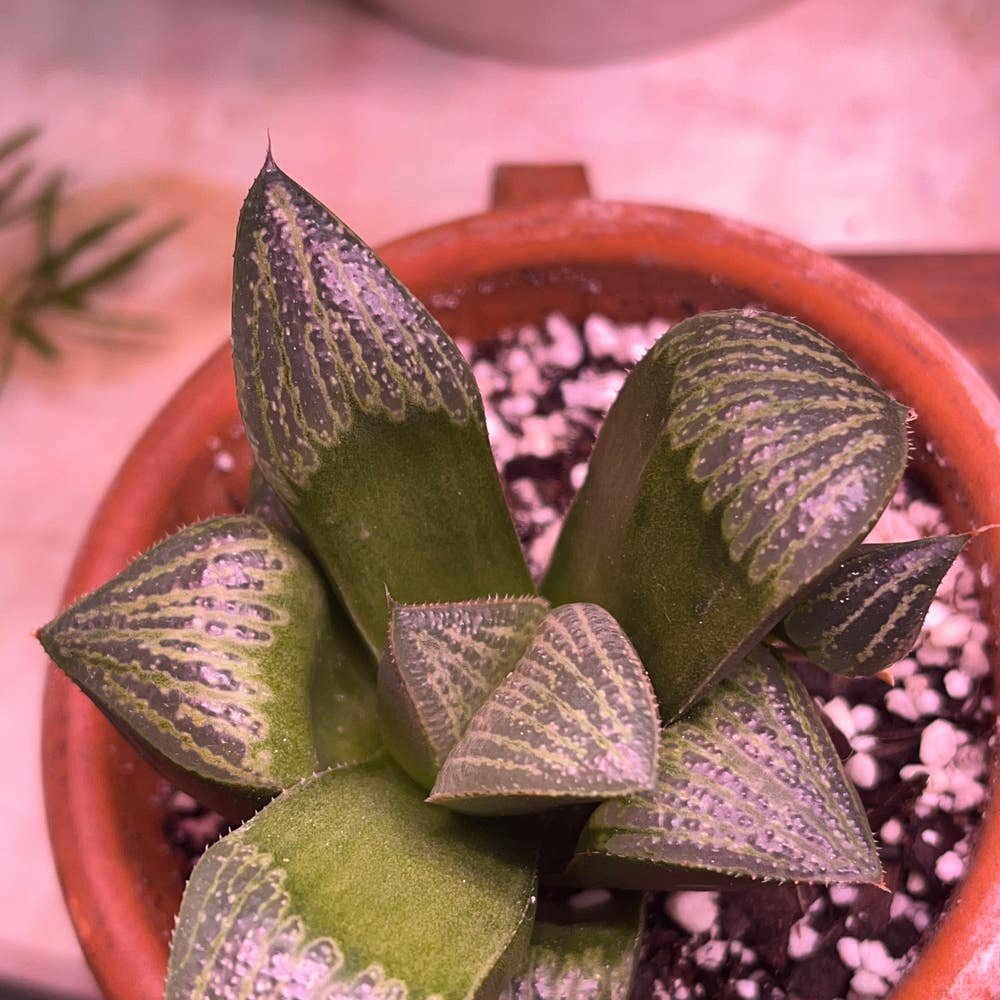
Does My Calico Kitten Need Direct Sunlight? 🐱
Crassula pellucida 'Variegata'
By the Greg Editorial Team
Jun 18, 2024•4 min read
This article was created with the help of AI so we can cover more plants for you. May contain errors. See one? Report it here.
- 4-6 hours of sunlight needed for vibrant Calico Kittens.
- 🌞 Too much sun causes leaf discoloration; use sheer curtains for protection.
- Artificial light supplements natural light, ensuring healthy growth indoors.
Calico Kitten's Sunlight Preferences
🌞 Ideal Daily Sunlight Exposure
Bright light is the Calico Kitten's best friend. Aim to place your plant less than a foot from a window to soak up those rays. Direct sunlight? Yes, please, but in moderation. A daily dose of 4-6 hours will keep your Calico Kitten's colors vibrant and growth steady.
🚫 Signs of Too Much Sun
Keep an eye out for leaf discoloration—a telltale sign your plant might be getting sunburned. Crispy, dry leaves are crying out for relief. If your Calico Kitten's leaves start looking like they've had a rough day at the beach, it's time to dial back the sun exposure.
🌑 Living in the Shade
Can the Calico Kitten survive in the shade? Sure, but it's not ideal. These plants can tolerate partial shade, but too little light can lead to leggy growth and a lackluster appearance. If your place is more dungeon than sunroom, consider supplementing with artificial light to keep your Calico Kitten purring.

Windows: The Calico Kitten's Natural Spotlight
🌅 The Sunny Side of the House: Best Window Directions for Your Plant
East-facing windows are your Calico Kitten's morning coffee—gentle, bright light to kickstart the day without the scorch. West-facing windows, on the other hand, are like an afternoon espresso shot—stronger rays that could overwhelm your plant if it's not used to it. Rotate your Calico Kitten occasionally to ensure even exposure and prevent one side from hogging all the light.
🌄 East vs. West: Where Does Your Calico Kitten Shine?
If your windows face east, you're in luck. Your Calico Kitten will relish the morning sunlight without the risk of an afternoon burn. West windows can work too, but think of them as a tanning bed—intense afternoon light that requires moderation. Use sheer curtains to soften the blow or place the plant a bit further from the window to avoid the harsher rays.
🌐 Hemisphere Highlights: Adjusting Care for Northern and Southern Locales
In the Northern Hemisphere, south-facing windows are the VIP lounge of sunlight—great for sun-worshipping plants but potentially too intense for your Calico Kitten. In the Southern Hemisphere, flip the script—north-facing windows are where it's at. Remember, your plant's tan shouldn't come at the cost of its health; too much direct light can lead to a sunburnt Calico Kitten.

Protecting Your Calico Kitten from Sunburn
🌞 Spotting the Signs of Too Much Sun
Leaf discoloration is the Calico Kitten plant waving a white flag. If you notice brown spots or edges, it's time to rethink your plant's sunbathing habits. These aren't just unsightly blemishes; they're distress signals from your succulent, indicating it's had more than its fair share of UV rays.
🏖 Quick Fixes for a Sun-Stressed Calico Kitten
When your plant's leaves start to look like they've been in a toaster, it's action time. Temporary shading is your go-to move. Whip out that sheer curtain or relocate your plant to a less intense light situation. It's like moving your beach umbrella to cast the perfect shadow—just enough light without the burn.

Sunlight Alternatives: Keeping Your Calico Kitten Happy Indoors
When natural sunlight is scarce, artificial lighting is the Calico Kitten's best friend. Here's how to keep your plant thriving with a glow from within.
💡 When the Sun's Away: Artificial Lighting Tips
LED or fluorescent grow lights can be a game-changer for your indoor Calico Kitten. Position the lights no more than 12 inches away to simulate the sun's warmth. Remember, it's about mimicking natural light, not recreating a disco.
Rotate your plant regularly to ensure even growth; this isn't a one-sided friendship. If your plant's leaves start reaching like they're trying to escape, it's time to adjust the light closer. Conversely, if they're getting crispy, back off with the brightness.
💡 Balancing Act: Combining Natural and Artificial Light for Growth
Mixing natural and artificial light can be like a well-orchestrated duet. Use a light timer to replicate daylight hours; this helps maintain your plant's circadian rhythm without you needing to clock-watch.
During the shorter days of winter, supplement with a few hours of artificial light to compensate for the sun's early curtain call. But when the sun decides to put in overtime during the summer, let nature do most of the heavy lifting.
Keep an eye on your plant's tan lines. If it's leaning more than a politician in a stiff wind, it's craving more light. If it's sporting a sunburn, dial back the artificial rays. It's about finding that sweet spot where your Calico Kitten can bask in just the right amount of glow.
⚠️ Safety First
This content is for general information and may contain errors, omissions, or outdated details. It is not medical, veterinary advice, or an endorsement of therapeutic claims.
Always consult a qualified healthcare professional before using any plant as food, medicine, or supplement.
Never eat any plant (or feed one to pets) without confirming its identity with at least two trusted sources.
If you suspect poisoning, call Poison Control (800) 222-1222, the Pet Poison Helpline (800) 213-6680, or your local emergency service immediately.
Spotted an error? Please report it here.
Bask your Calico Kitten in the perfect glow 🌞 with Greg's PlantVision, ensuring it thrives without the guesswork.