How Long Your Calico Kitten Will Live 🐱
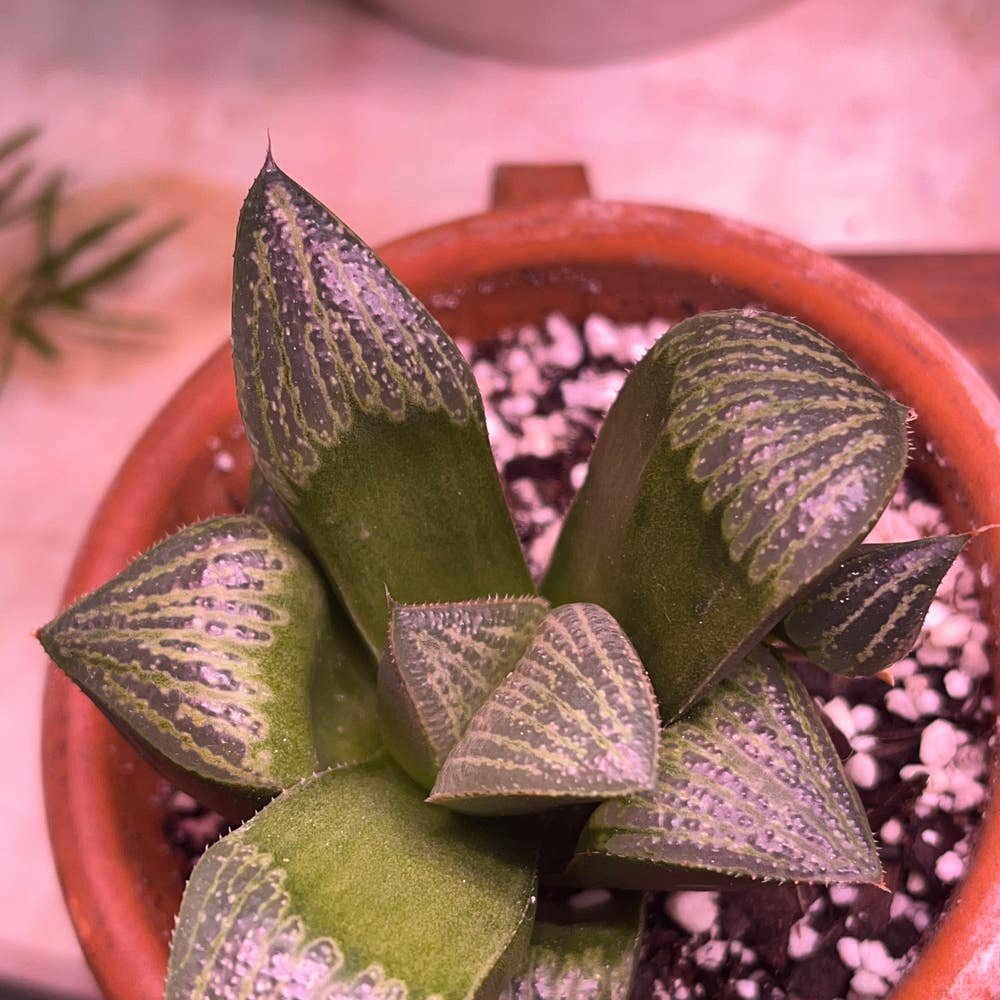
Crassula pellucida 'Variegata'
By the Greg Editorial Team
Sep 30, 2024•5 min read
This article was created with the help of AI so we can cover more plants for you. May contain errors. See one? Report it here.
- 🌱 Calico kittens typically live 12-15 years, depending on genetics and care.
- 🐾 Health factors like diet and vet visits significantly influence their lifespan.
- 🏡 Creating a safe environment enhances your calico kitten's longevity and happiness.
Growth Stages
🌱 Seed Germination
Germination is the first crucial step in a plant's life cycle, lasting about 7-14 days under optimal conditions.
To ensure successful germination, maintain a temperature between 70°F to 80°F (21°C to 27°C), provide consistent moisture without waterlogging, and expose the seeds to indirect sunlight to prevent overheating.
🌿 Seedling Stage
Once germination is complete, the seedling stage begins, lasting 2-4 weeks.
During this phase, you'll notice the initial leaf development featuring small, simple leaves, with a slow but steady increase in height and leaf size.
🌳 Vegetative Growth
The vegetative growth stage follows, typically lasting 4-8 weeks.
This is when the plant enters a rapid growth phase, especially in warm months, showcasing vibrant and diverse leaf coloration. Expect a height increase of up to 12-18 inches (30-45 cm) during this time.
🌸 Flowering Stage
Flowering usually occurs 8-12 weeks after germination.
You'll see the appearance of small, tubular flower spikes, and this beautiful display lasts for about 2-4 weeks, marking a significant milestone in the plant's life cycle.
🌾 Seed Production
After successful flowering, the plant enters the seed production phase, which takes an additional 4-6 weeks for seed maturation.
During this time, small, dark seeds develop within the flower spikes, completing the cycle and preparing for the next generation.
Understanding these growth stages is essential for nurturing your plant effectively. Each phase has its unique requirements and characteristics, ensuring a thriving life cycle. Next, we’ll explore the factors affecting maturation time.
Maturation Time
🌱 Factors Affecting Maturation Time
Maturation time can vary significantly based on several factors. Environmental conditions like temperature, humidity, and light exposure play a crucial role in how quickly your plant reaches maturity.
Another important aspect is the propagation method. Using cuttings can lead to quicker maturity compared to starting from seeds. This means if you're eager to see results, consider your propagation choice carefully.
⏳ Average Time Until Fully Grown
On average, you can expect your plant to take about 12-16 weeks from seed germination to full maturity. This timeline gives you a good idea of what to anticipate as you nurture your growing plant.
Understanding these factors can help you optimize your care routine and enjoy the journey of growth. With the right conditions and methods, you'll be well on your way to a thriving plant in no time!
Reproductive Cycle
Timing of Flowering and Seed Production 🌸
Flowering is a pivotal moment in a plant's life cycle, typically kicking off around 8 to 12 weeks after germination. This is when the plant starts to show off its vibrant blooms, signaling that it's ready to reproduce.
Once flowering occurs, seed production takes center stage. This phase usually spans an additional 4 to 6 weeks, during which the flowers transform into seeds. It’s a fascinating process that showcases nature's ability to create life from life.
Understanding this timeline can help you plan your gardening efforts effectively. Whether you're cultivating for beauty or for future planting, knowing when to expect these changes is key to successful gardening.
As we delve deeper into the life cycle, let's explore the notable changes that occur throughout each growth stage.
Notable Changes Throughout Life Cycle
🌱 Physical Changes During Each Growth Stage
The life cycle of a plant is a fascinating journey marked by distinct physical transformations.
In the seedling stage, you'll notice a remarkable transition as small, simple leaves give way to larger, more colorful foliage. This change not only enhances the plant's appearance but also signals its readiness to absorb more sunlight and nutrients.
As the plant enters the vegetative growth stage, the growth becomes even more pronounced. Expect a significant increase in size and leaf complexity, with vibrant colors emerging that indicate a healthy, thriving plant.
🌿 Changes in Care Needs as the Plant Matures
With growth comes the need for more attentive care.
During the vegetative growth phase, the plant's water and nutrient requirements increase substantially. This is the time to ensure your plant receives adequate hydration and nutrients to support its rapid development.
As you nurture your plant through these stages, you'll witness its evolution and adapt your care routine accordingly. This dynamic relationship between growth and care is essential for a flourishing plant.
Transitioning from these notable changes, let’s explore the reproductive cycle and how it further impacts the plant's life.
Frequently Asked Questions
🌱 How long until fully grown?
The journey from seed germination to maturity typically spans 12-16 weeks. This timeline can vary based on environmental conditions and care.
⚡️ How fast does it grow?
Growth rates fluctuate across stages. During the seedling stage, expect slow but steady progress, while the vegetative growth phase showcases rapid height increases, sometimes reaching 12-18 inches in just a few weeks.
🤔 Common Misconceptions
Many believe that plants grow uniformly, but that's a myth. Growth speed and care requirements change significantly as the plant matures, requiring more attention during the vegetative phase.
Understanding these nuances can enhance your gardening experience and lead to healthier plants. With the right knowledge, you can nurture your plants effectively through each stage of their life cycle.
⚠️ Safety First
This content is for general information and may contain errors, omissions, or outdated details. It is not medical, veterinary advice, or an endorsement of therapeutic claims.
Always consult a qualified healthcare professional before using any plant as food, medicine, or supplement.
Never eat any plant (or feed one to pets) without confirming its identity with at least two trusted sources.
If you suspect poisoning, call Poison Control (800) 222-1222, the Pet Poison Helpline (800) 213-6680, or your local emergency service immediately.
Spotted an error? Please report it here.
Master your plants' life cycles for thriving growth 🌿 by using Greg's tailored care plans that adapt to each stage of their development!