🐞 What Are The Bugs on My Calico Kitten?
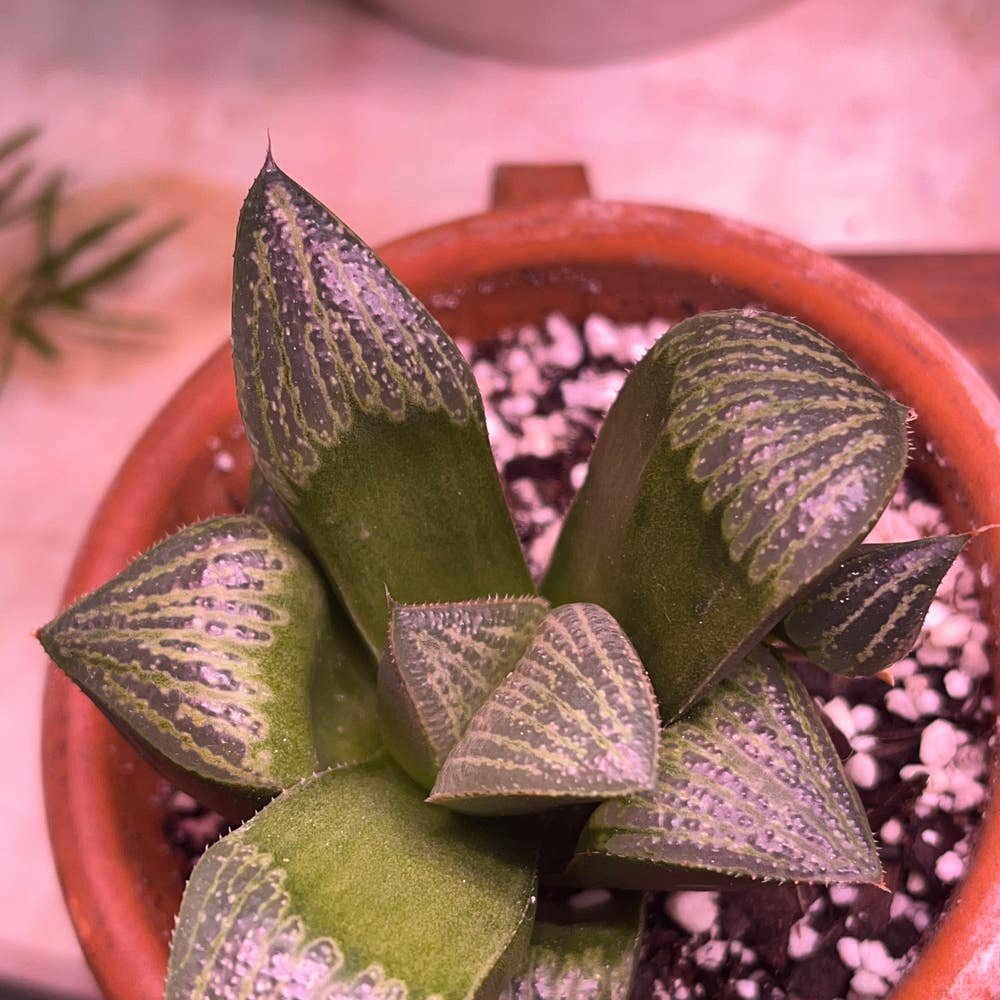
Crassula pellucida 'Variegata'
By the Greg Editorial Team
Jun 18, 2024•4 min read
This article was created with the help of AI so we can cover more plants for you. May contain errors. See one? Report it here.
- Spider mites and scale insects - identify early, use neem oil or insecticidal soap.
- Fungus gnats, fruit flies, mealybugs - control with less watering, alcohol swabs, sticky traps.
- Prevent pests with IPM: Clean garden, regular checks, strategic pest control.
Spot the Invaders: Identifying Common Pests
🕷️ Spider Mites
Webbed warfare: If you notice fine webs and a speckled look on your Calico Kitten, spider mites are likely the culprits. These pests are tiny but can wreak havoc, often going unnoticed until significant damage is done.
Eviction notice: Dislodge them with a gentle water spray or wipe down the leaves. For persistent problems, neem oil or insecticidal soap are your go-to weapons.
🛡️ Scale Insects
Unwanted armor: Look for waxy bumps on stems and leaves. These are scale insects, and they're not just chilling—they're sucking the life out of your plant.
Sticky situation: To remove these freeloaders, scrape them off or use a cotton swab dipped in rubbing alcohol. For a larger infestation, consider horticultural oil or insecticidal soap.
🦟 Fungus Gnats and Fruit Flies
Airborne annoyances: If you've got tiny flies buzzing around your plant, fungus gnats or fruit flies have moved in. They love moist soil, so overwatering is like rolling out the red carpet for them.
Take back the skies: Cut back on watering and let the soil dry. Yellow sticky traps are great for catching adults, while a sand layer on the soil can block larvae from emerging.
🐛 Mealybugs
Cottony cling-ons: Mealybugs leave a telltale cottony residue and are fond of cozy spots on your plant. They're like the uninvited guests who never leave and eat all your food—except it's your plant's sap.
Bug off: Manually remove them with a cotton swab soaked in alcohol. For a full-blown party of mealybugs, insecticidal soap or neem oil will help clear out the crowd.

Other Uninvited Guests
🐞 Aphids and Thrips
Spotting Aphids
Aphids are tiny, pear-shaped insects that may appear in various colors. Clusters of these pests typically congregate on new growth, under leaves, or on stems. Look for a sticky residue known as honeydew or sooty mold as evidence of their presence.
Remedies for Aphids
Blast aphids off with water or introduce natural predators like ladybugs. Insecticidal soap or neem oil can be effective; apply thoroughly. For severe infestations, systemic insecticides are an option, but use them as a last resort.
Identifying Thrips
Thrips are slender, minuscule insects that can be spotted by their silvery trails and stippled leaves. They often hide within buds or flowers. Look for tiny larvae or black specks of excrement as signs of thrips.
Thrips Control
Quarantine new plants to prevent thrips from spreading. Prune infested areas and dispose of them properly. Systemic insecticides can be used judiciously. Sticky traps and natural predators like ladybugs can also help manage thrips populations.

Proactive Pest Patrol: Prevention Tips
🐜 Keeping a Clean Camp: Best Practices to Deter Pests
Cleanliness is your plant's armor against the tiny invaders. Wipe down leaves to thwart dust and pest conspiracies. Remove fallen leaves and debris; they're nothing but a red carpet for bugs. Sterilize your tools and pots—it's not just about looking good, it's about being a fortress.
👀 The Watchful Gardener: Regular Checks to Catch Pests Early
Be the Sherlock of your garden. Regular inspections are your spotlight on those sneaky pests. Spot a bug? Insecticidal soap or neem oil are your bouncers, ready to kick pests to the curb. Sticky traps are like flypaper for your FBI watchlist, revealing the usual suspects. Remember, a vigilant gardener is a pest's worst nightmare.

When Pests Persist: Advanced Control Strategies
🛡️ Beyond the Basics: Stronger Measures
When gentle nudges don't send pests packing from your Calico Kitten, it's time to bring out the big guns. Escalation is key when you're dealing with a full-blown infestation. Think of it as leveling up in a game where the boss battle is against bugs.
- Rotate treatments to keep pests on their toes and prevent resistance.
- Consider systemic insecticides for a heavy-hitting approach, but use them sparingly to protect the good guys—beneficial insects.
- Physical controls like traps and barriers can act as your plant's personal bouncers.
🌿 Integrated Pest Management: Plant Health Balance
Integrated Pest Management (IPM) is your strategic blueprint for pest control. It's a holistic approach that combines prevention, monitoring, and control tactics.
- Quarantine new plants to avoid introducing pests to your green oasis.
- Monitor your plants regularly for early signs of trouble—vigilance is your best friend.
- Encourage beneficial insects by creating a diverse garden that's a buffet for predator bugs.
- Environmental controls are your stealth tactics—proper watering, airflow, and temperature can make your plant fortress impregnable.
- Biological controls can turn the tide of battle by recruiting an army of beneficial insects to take down pests.
Remember, IPM is about being a smart gardener, not just a sprayer. It's the art of war in the plant world, where your Calico Kitten is worth fighting for.
⚠️ Safety First
This content is for general information and may contain errors, omissions, or outdated details. It is not medical, veterinary advice, or an endorsement of therapeutic claims.
Always consult a qualified healthcare professional before using any plant as food, medicine, or supplement.
Never eat any plant (or feed one to pets) without confirming its identity with at least two trusted sources.
If you suspect poisoning, call Poison Control (800) 222-1222, the Pet Poison Helpline (800) 213-6680, or your local emergency service immediately.
Spotted an error? Please report it here.
Banish pests and ensure your Calico Kitten plant is pest-free 🌿 with Greg's personalized monitoring schedules and proactive care tips.