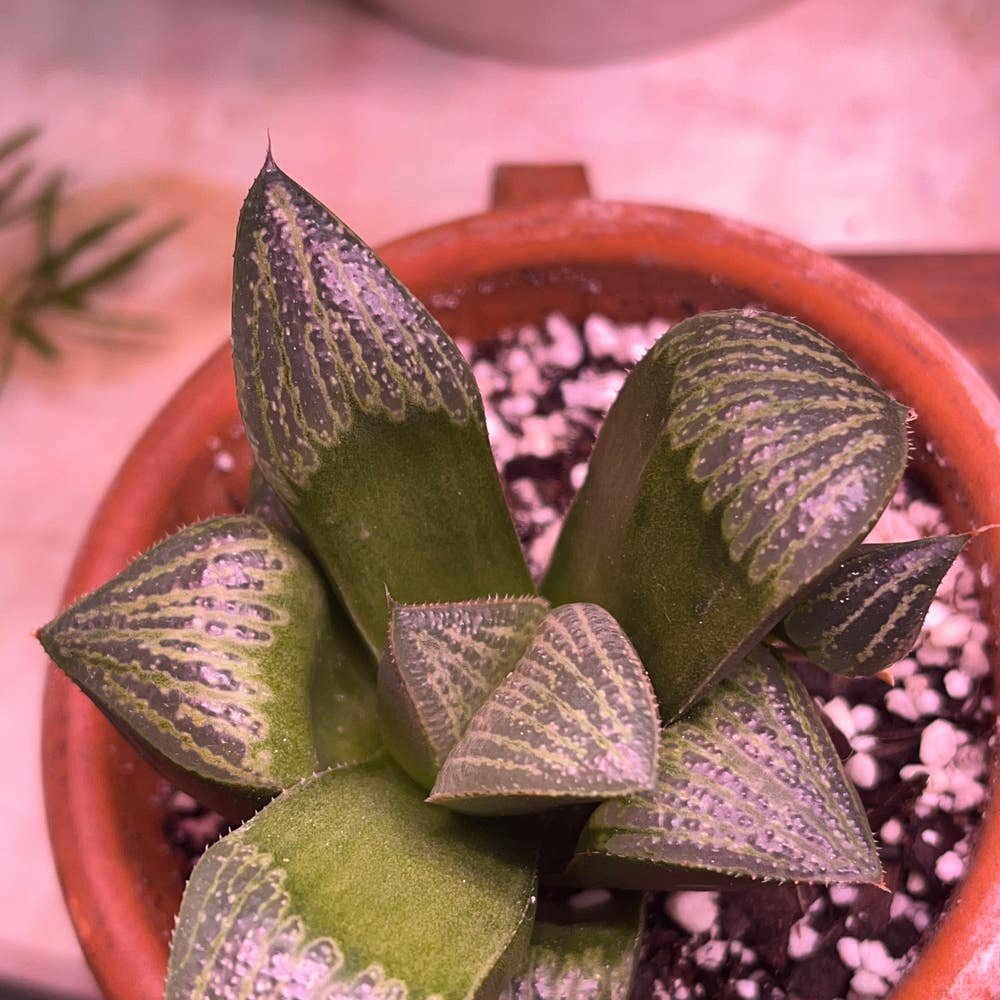
Why Are My Calico Kitten Leaves Mushy?
Crassula pellucida 'Variegata'
By the Greg Editorial Team
Jun 18, 2024•3 min read
This article was created with the help of AI so we can cover more plants for you. May contain errors. See one? Report it here.
- 🚨 Overwatering? Soggy soil and limp stems signal trouble.
- Root rot: silent killer. Check roots regularly.
- 🌱 Prevent mushiness with well-draining soil and pots.
Spotting the Trouble: Signs Your Calico Kitten Leaves Are Too Mushy
💦 Overwatering Red Flags
Soggy soil and limp stems are telltale signs that your Calico Kitten might be drowning in excess water. Overzealous watering can lead to a host of issues, and your plant's leaves turning into a mushy mess is a clear SOS signal.
🌱 Root Rot Symptoms
Below the surface, root rot could be wreaking havoc. If your plant's roots are more reminiscent of overcooked noodles than firm, white strands, it's time for some serious intervention. This silent killer can be hard to spot until it's almost too late, so vigilance is key.
🚰 Drainage Dilemmas
When your pot is holding onto water like it's preparing for a drought, you've got a drainage dilemma. A pot without proper drainage is essentially a swampy death trap for your plant's roots, leading to that dreaded mushiness. Ensure your pot's drainage game is strong to avoid waterlogged woes.

First Aid for Mushy Leaves
🚑 Emergency Repotting Steps
Halt all watering immediately. This is your plant's red flag, and it's time to act. Gently remove your Calico Kitten from its current residence and inspect the roots. If they're darker than your morning coffee and give under pressure, you've got root rot.
Choose a new pot with enough drainage holes to make a colander jealous. Fill it with fresh, well-draining soil—think of it as the plant equivalent of a memory foam mattress. It should be airy and light, allowing roots to recover and breathe.
💉 Salvaging the Roots
With sterilized scissors, channel your inner surgeon and snip away the mushy, darkened roots. Be as precise as a tailor, ensuring you only remove the damaged parts. Aim to preserve as much of the healthy root system as possible.
After the operation, let the roots air out like they're sunbathing. This helps them recover from their ordeal. When repotting, consider adding a layer of pebbles at the bottom for that extra drainage boost—like a mini moat for excess water.
Monitor your plant post-surgery with the attentiveness of a hawk. Look for signs of improvement or further distress. Your plant's recovery is a journey, not a sprint, and you're in it together.

Turning Over a New Leaf: Prevention Strategies
💧 Mastering the Art of Watering
Watering your Calico Kitten plant isn't a daily to-do—it's an art. Check the soil before you water; if it's dry to the touch, it's time for a drink. This simple touch test prevents overzealous watering, which is a one-way ticket to mushy leaf city. Remember, your plant isn't trying to win a swimming medal—it prefers to stay on the dry side.
🌱 Choosing the Right Soil and Pot
Soil selection is like choosing the right pair of shoes for a marathon; it needs to be comfortable yet functional. A well-draining mix with perlite or sand ensures your plant's roots can breathe without getting waterlogged. As for the pot, make sure it has drainage holes. No holes? You're basically asking for a root rot gala. And trust me, that's one event you don't want your Calico Kitten attending.

⚠️ Safety First
This content is for general information and may contain errors, omissions, or outdated details. It is not medical, veterinary advice, or an endorsement of therapeutic claims.
Always consult a qualified healthcare professional before using any plant as food, medicine, or supplement.
Never eat any plant (or feed one to pets) without confirming its identity with at least two trusted sources.
If you suspect poisoning, call Poison Control (800) 222-1222, the Pet Poison Helpline (800) 213-6680, or your local emergency service immediately.
Spotted an error? Please report it here.
Keep your Calico Kitten's leaves firm and healthy 🌱 with Greg's personalized watering reminders, ensuring you only water when the soil says it's time.