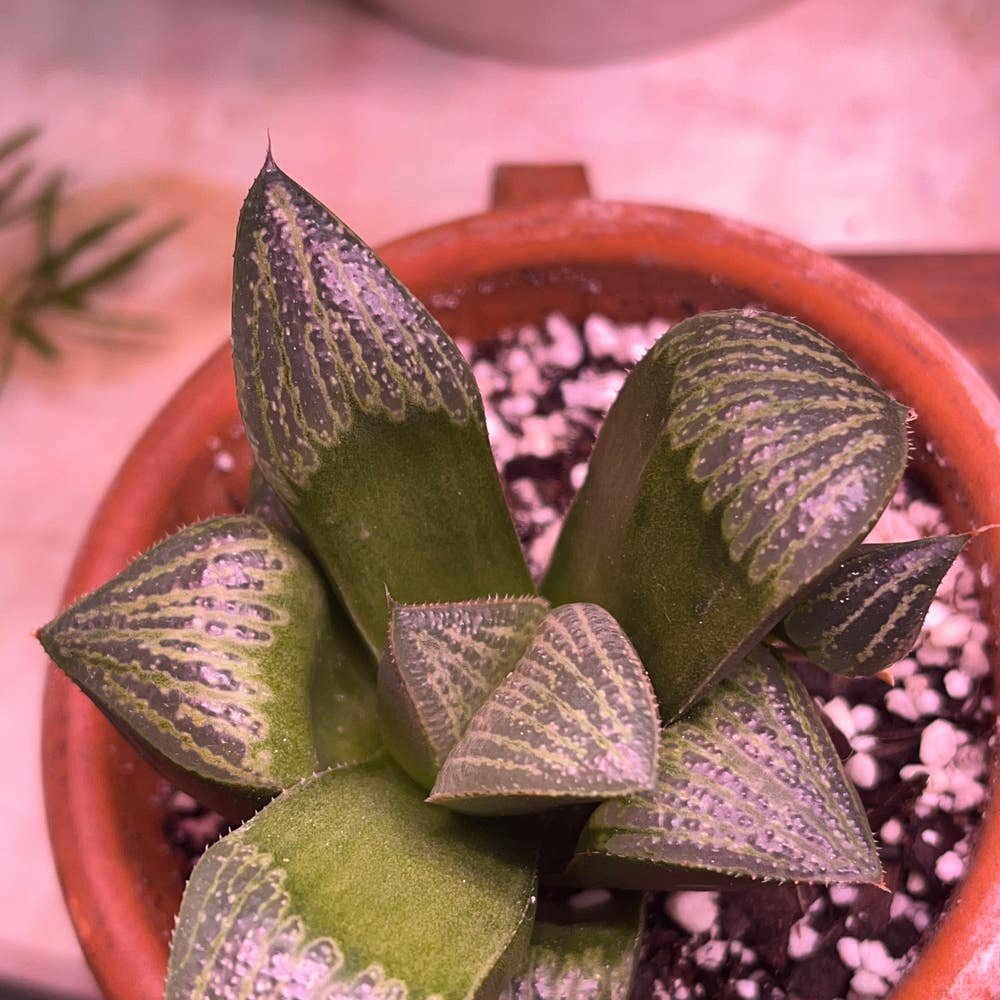
Why Are My Calico Kitten Leaves Dropping?
Crassula pellucida 'Variegata'
By the Greg Editorial Team
Jun 18, 2024•5 min read
This article was created with the help of AI so we can cover more plants for you. May contain errors. See one? Report it here.
- 🍂 Excessive leaf drop signals a need for immediate plant care attention.
- 💧 Balance watering and environment to prevent over/underwatering and stress.
- 🐛 Inspect for pests regularly and adjust care routine for plant health.
Spotting the Signs of Trouble
🍂 Recognizing Early Signs of Leaf Drop
When your Calico Kitten's leaves start falling more than usual, it's a signal to pay attention. Look for leaves that detach with little to no touch—a sign that shouldn't be ignored. Discoloration or wilting can also indicate that your plant is not in its happy place.
🌿 Natural Shedding vs. Problematic Leaf Drop
It's normal for a few leaves to drop as part of the plant's growth cycle, especially in the growing season. However, if you're witnessing a leaf exodus outside of this period, it's time to play detective. Check for patterns in the leaf drop and any accompanying symptoms like spots or curling, which can point to bigger issues.

Nailing Down the Cause
💧 Overwatering and Root Rot
Yellow leaves that look more like soggy cornflakes than vibrant foliage? That's your Calico Kitten screaming for less water. Overwatering is a silent killer, turning roots into a mushy, unappetizing mess. Root rot is the grim reaper here, thriving in the damp abyss of your pot.
To check for root rot, think of it as a plant autopsy. Gently unearth your Calico Kitten and inspect the roots. Healthy roots are like fresh carrots, while rotten ones are more like overcooked pasta. If they're black and slimy, it's time for an emergency transplant to drier lands.
🏜️ Underwatering Woes
Crispy leaves? Your Calico Kitten might be thirstier than a hiker in the desert. Underwatering leaves plants parched and stressed. The soil should be your moisture barometer; let it dry out a bit between waterings, but don't let it turn into the Sahara.
To balance soil moisture, think of it as a sponge. You want it damp, not dripping. If the soil feels like a dry cookie, it's time to quench your plant's thirst. But remember, moderation is key; you're aiming for a moist brownie texture.
🌡️ Environmental Stress Factors
If your Calico Kitten is dropping leaves like it's going out of style, it might be throwing a tantrum over its environment. Temperature and humidity can make or break your plant's vibe. Too hot and it's a plant sauna, too cold and it's in a leafy freezer.
Adapting your plant's environment is like setting the scene for a cozy movie night. Keep it comfortable, not too steamy, not too chilly. A stable environment keeps your Calico Kitten from getting dramatic and shedding leaves.
🐜 Pesky Pests
Finally, let's talk about the uninvited guests: pests. These freeloaders can cause leaf drop faster than you can say "bug off!" Spot treatment is your first line of defense, but if it's a full-blown infestation, it's war.
Regularly play detective and inspect for critters. If you spot any, it's time for pest control commando mode. Go for the non-toxic, organic options first – think of it as the plant equivalent of catching and releasing spiders outside.

Turning Over a New Leaf
💧 Adjusting Your Watering Technique
Watering your Calico Kitten plant is less about sticking to a strict schedule and more about understanding its needs. Overwatering is a one-way ticket to root rot, while underwatering turns your plant into a crispy critter. Check the soil's moisture with your finger—if it's dry a couple of inches down, it's time to water.
Invest in a moisture meter for a no-guess game in hydration. Remember, these succulents prefer a drought-and-drench approach. Let the soil dry out completely before giving it a thorough soak.
🏡 Creating the Ideal Home Environment
Temperature and humidity are the unsung heroes of plant health. Calico Kittens aren't fans of the cold; keep them in a range of 60-80°F (15-26°C) for optimal comfort. Humidity should be moderate, but if you notice your plant throwing a fit, consider a pebble tray or a humidifier to up the ante.
Light is like the plant's daily bread—too little and it starves, too much and it burns. Aim for bright, indirect light. If you're dealing with leaf burn, dial it back a notch. Too leggy? It's craving more sunshine.
🐜 Keeping the Critters at Bay
Pests are the party crashers of the plant world. Routine checks are your bouncer, keeping unwelcome guests at bay. If you spot trouble, isolate your plant faster than a wallflower at a dance party.
Integrated Pest Management (IPM) is your strategy for a pest-free existence. Start with the least toxic options—like neem oil or insecticidal soap. Remember, prevention is better than cure; keep your plant clean and your tools sterilized.

Proactive Plant Parenting
🌱 Consistency is Key
Consistency in plant care is non-negotiable. Like a well-oiled machine, your Calico Kitten thrives on predictability. Regular checks for signs of stress can save you from the heartache of leaf drop. Adjust your care routine with the seasons; what works in spring may flop in fall.
🏡 The Right Foundation: Soil and Pot
Soil is the unsung hero of plant care. Opt for a mix that boasts excellent drainage yet retains enough moisture to quench your plant's thirst. Pot size and drainage aren't just details—they're critical to avoiding waterlogged roots. Remember, a happy plant starts with its feet in the right home.
⚠️ Safety First
This content is for general information and may contain errors, omissions, or outdated details. It is not medical, veterinary advice, or an endorsement of therapeutic claims.
Always consult a qualified healthcare professional before using any plant as food, medicine, or supplement.
Never eat any plant (or feed one to pets) without confirming its identity with at least two trusted sources.
If you suspect poisoning, call Poison Control (800) 222-1222, the Pet Poison Helpline (800) 213-6680, or your local emergency service immediately.
Spotted an error? Please report it here.
Ensure your Calico Kitten thrives by preventing leaf drop 🍂 with Greg's tailored reminders for the ideal watering schedule and home environment conditions.