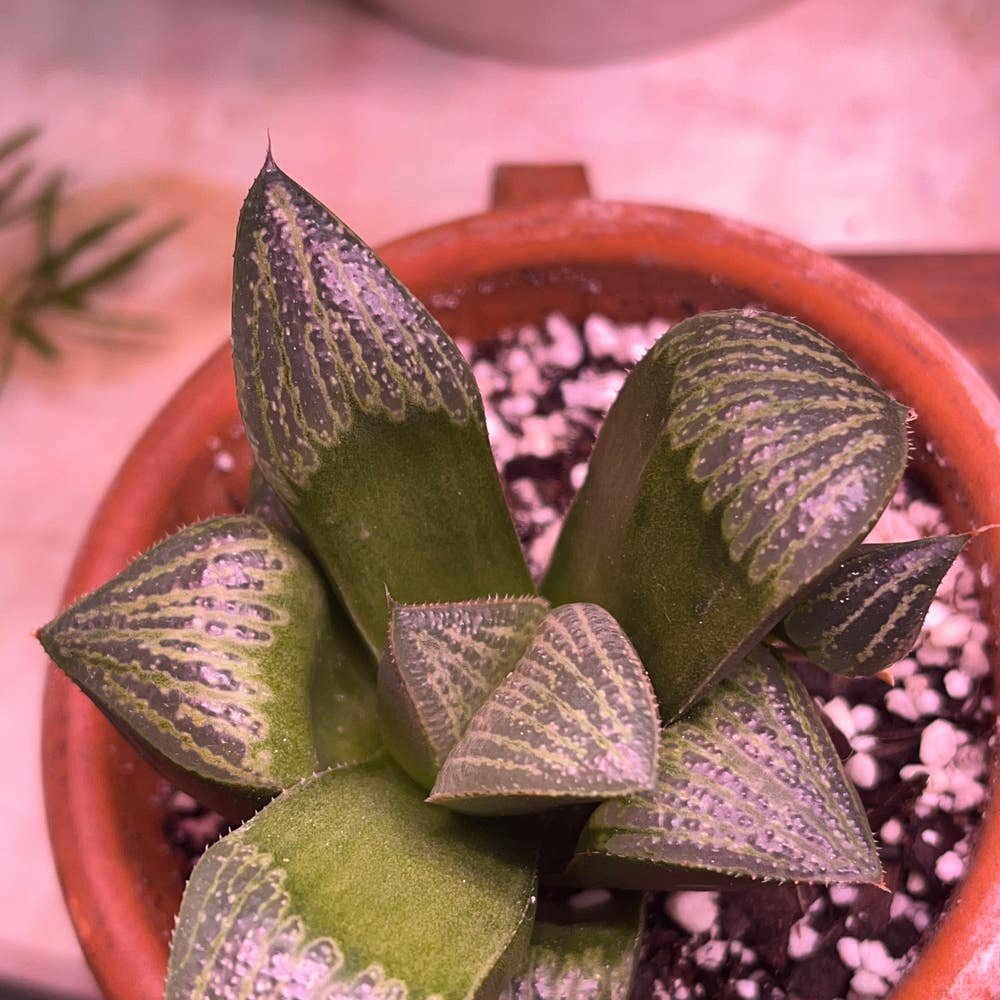
What Is A Good Temperature Range For My Calico Kitten? 🐱
Crassula pellucida 'Variegata'
By the Greg Editorial Team
Jun 18, 2024•3 min read
This article was created with the help of AI so we can cover more plants for you. May contain errors. See one? Report it here.
- 🌡️ Ideal range 70-75°F day, 50°F night for Calico Kitten health.
- Leaf discoloration and wilting signal temperature stress.
- Avoid direct sunlight and drafts to prevent leaf scorch and withering.
Spotting the Chills and Fevers: Recognizing Temperature Stress
🚨 Visual Distress Signals
- Leaf discoloration and wilting are your Calico Kitten's way of saying, "I'm not okay."
- Crispy leaves scream too much heat, while mushy spots whisper of a cold that's lingered too long.
📉 Long-Term Consequences
- Stunted growth and premature dormancy can result from ignoring these cries for help.
- Watch for dark, greasy patches or a general lackluster vibe in the foliage—signs your plant's health is waning.

The Goldilocks Zone: Ideal Temperature Range for Calico Kitten
🌞 Summer Lovin': Warm Weather Care
Calico Kitten succulents thrive in temperatures that mirror their native habitat. The optimal temperature range for growth is between 70-75°F (21-24°C) during the day. At night, they can handle a dip down to 50°F (10°C).
To avoid overheating, position your plant in a spot with bright, indirect sunlight. Direct rays can scorch the leaves, so consider sheer curtains as a shield. Ensure good air circulation but keep it away from air conditioning vents that could cause sudden temperature drops.
❄️ Winter Snuggles: Cold Weather Care
When the temperature drops, Calico Kitten plants need protection. They cannot tolerate frost and should not be exposed to temperatures below 50°F (10°C).
To safeguard your plant during the colder months, keep it indoors in a warm, cozy spot. If your home tends to get chilly, consider a plant heating pad or place it in an area that receives consistent warmth, like near a kitchen. Remember, these plants are more about snuggles than snowflakes, so keep them away from drafty windows.

Common Culprits: What's Cooking Your Calico Kitten?
⛄️ Indoor Climate Control
Heating and air conditioning systems are like double-edged swords when it comes to your Calico Kitten plant. Cranking up the heat during winter might keep you cozy but can leave your plant dehydrated and droopy. On the flip side, air conditioning in summer can create a mini-desert, sapping the moisture right out of the leaves.
🌞 External Factors
Direct sunlight is a tricky beast. While the Calico Kitten craves brightness, too much direct exposure can lead to a sunburnt succulent. And let's not forget about cold drafts; they're the silent assassins of the plant world, causing your Calico Kitten to potentially wither in silent protest. Keep your plant away from open windows or doors that could let in a chilly breeze, especially during the colder months.

Keeping Your Cool: Tips for Temperature Regulation
🏡 Home Sweet Home
Strategic placement is key to maintaining a stable temperature for your Calico Kitten. Avoid the extremes of direct sunlight and drafty corridors. Thermometers and thermostats are your allies in the quest for the perfect climate, letting you keep a close eye on the ambient temperature.
🛠 Quick Fixes
When temperatures fluctuate, act swiftly to mitigate the effects. Too hot? A shaded spot or a cooler room can be a sanctuary. Chilly? Find a snug nook that's free from the invasive drafts. These are your go-to moves for keeping your plant from temperature-induced distress.
💦 A Dash of Humidity
Humidity plays a supporting role in temperature comfort. It's not the star of the show, but it's a crucial cast member. Use a humidifier or a pebble tray to maintain a consistent humidity level, providing a buffer against temperature swings. Just remember, Calico Kitten isn't a rainforest dweller—moderation is key.
⚠️ Safety First
This content is for general information and may contain errors, omissions, or outdated details. It is not medical, veterinary advice, or an endorsement of therapeutic claims.
Always consult a qualified healthcare professional before using any plant as food, medicine, or supplement.
Never eat any plant (or feed one to pets) without confirming its identity with at least two trusted sources.
If you suspect poisoning, call Poison Control (800) 222-1222, the Pet Poison Helpline (800) 213-6680, or your local emergency service immediately.
Spotted an error? Please report it here.
Ensure your Calico Kitten succulent enjoys the optimal temperature 🌡 with Greg's custom alerts for heat and humidity, keeping your plant perfectly cozy.