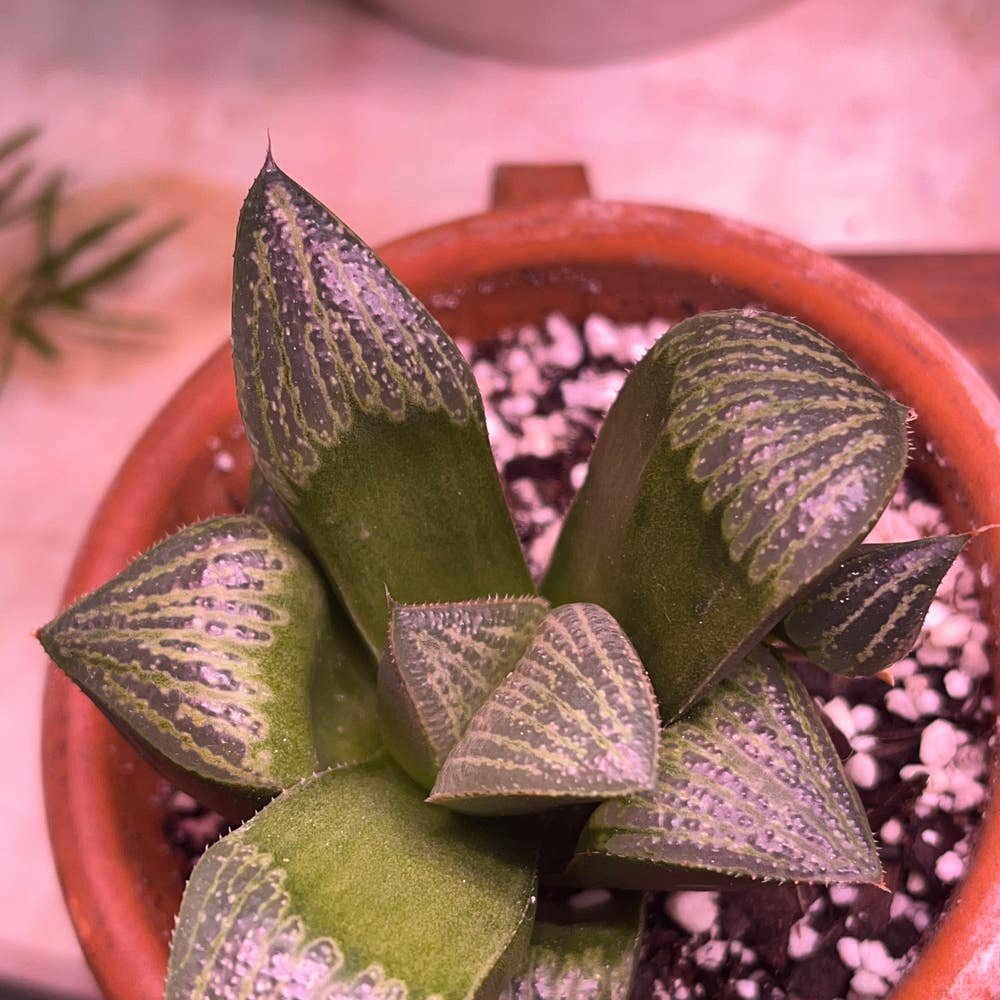
Calico Kitten Zones 🐱
Crassula pellucida 'Variegata'
By the Greg Editorial Team
Sep 30, 2024•5 min read
This article was created with the help of AI so we can cover more plants for you. May contain errors. See one? Report it here.
- 🌡️ Calico Kittens thrive best between 65°F and 85°F; avoid frost and extreme heat.
- 🌞 USDA zones 9-11 are ideal; states like California and Florida excel for growth.
- 🌧️ Moderate humidity and well-draining soil are essential for healthy Calico Kittens.
Temperature Tolerance
❄️ Cold Tolerance
Calico Kittens can withstand temperatures as low as 30°F (-1°C). However, they are sensitive to frost, which can severely impact their growth and health.
Frost can damage the delicate leaves and stems of Calico Kittens, leading to stunted growth or even plant death. It's essential to monitor temperatures closely during colder months to protect these vibrant plants.
🔥 Heat Tolerance
For optimal growth, Calico Kittens thrive in temperatures ranging from 65°F to 85°F (18°C to 29°C). Staying within this range ensures they receive the energy they need for robust development.
Excessive heat, particularly above 90°F (32°C), can stress the plants, causing wilting or leaf burn. Adequate hydration and shade can help mitigate these effects, promoting healthier growth.
Understanding these temperature tolerances is crucial for successful cultivation. With the right conditions, your Calico Kittens can flourish beautifully.
Ideal Growing Regions
🌞 Suitable US States
Calico Kittens thrive in USDA hardiness zones 9-11. Here’s a quick look at the states where you can find the best conditions for these vibrant plants:
| State | Ideal Regions |
|---|---|
| California | Southern coast, Central Valley |
| Florida | Southern regions, Gulf Coast |
| Texas | South and Central Texas |
| Arizona | Southern Arizona |
| Louisiana | Coastal areas |
These states offer the warmth and sunshine that Calico Kittens love, making them perfect for growth.
🌧️ Contributing Factors
Several climate factors play a crucial role in the success of Calico Kittens.
- Humidity: Moderate humidity levels help maintain moisture without overwhelming the plants.
- Rainfall: Consistent but not excessive rainfall is ideal for their growth.
- Sunlight: Full sun exposure is essential for vibrant colors and healthy growth.
Soil conditions also matter. Calico Kittens prefer well-draining soil to prevent root rot.
- Drainage: Ensure your soil drains well to keep the roots healthy.
- Soil Type: A mix of sandy and loamy soil works wonders for these plants.
Understanding these factors can significantly enhance your gardening success with Calico Kittens.
As we delve deeper into microclimates, you'll see how these localized conditions can further influence growth potential.
Microclimates
🌡️ Impact on Growing Conditions
Microclimates are fascinating little pockets of climate that can significantly influence plant growth. They often create warmer conditions than the surrounding areas, making them ideal for nurturing Calico Kittens.
These localized environments can be found in various settings, such as urban areas with heat-retaining buildings or sheltered spots in gardens. For instance, a south-facing wall can absorb sunlight and radiate warmth, providing a cozy microclimate for your Calico Kitten.
🌿 Examples of Microclimates that Benefit Calico Kitten Growth
Urban Heat Islands: Cities often experience higher temperatures due to concrete and asphalt absorbing heat. This can extend the growing season for Calico Kittens.
Garden Shelters: Areas shielded by trees or structures can maintain warmth and humidity, creating a perfect environment for these plants.
Raised Beds: Elevated garden beds can warm up faster in spring, giving Calico Kittens a head start on growth.
Understanding these microclimates can help you maximize the potential of your Calico Kitten. By strategically placing them in these favorable conditions, you can enhance their growth and resilience.
As we dive deeper into the specifics of suitable states for Calico Kitten cultivation, keep these microclimate insights in mind. They can play a crucial role in your gardening success!
State-Level Analysis
🌞 Suitable States
Calico Kittens thrive in USDA hardiness zones 9-11, which include states like California, Florida, Texas, and Arizona. These regions offer a warm climate with mild winters, perfect for the growth of Calico Kittens.
- California: Known for its diverse climates, areas like Southern California provide ample sunlight and warmth, essential for healthy growth.
- Florida: With its humid subtropical climate, Florida's consistent warmth supports Calico Kitten's growth, especially in the southern regions.
- Texas: The southern parts of Texas enjoy long growing seasons, making it an ideal location for these plants.
- Arizona: The warm desert climate, particularly in the southern regions, offers the heat-loving Calico Kitten the conditions it craves.
❌ Unsuitable States
While many states are suitable, some are less than ideal for Calico Kittens. States like Alaska, North Dakota, and Maine present challenges due to their colder climates.
- Alaska: The extreme cold and short growing season make it nearly impossible for Calico Kittens to thrive.
- North Dakota: Harsh winters and frost can severely hinder growth, limiting the plant's potential.
- Maine: The cool, damp climate and late frosts create an unsuitable environment for these heat-loving plants.
📊 Suitability Analysis
When considering the suitability of states for Calico Kittens, temperature extremes and frost dates are crucial. States in zones 9-11 typically experience mild winters, allowing for longer growing seasons.
- Temperature Extremes: Calico Kittens flourish in warm conditions, but excessive heat can stress the plants.
- Frost Dates: Late frosts can damage young plants, so regions with a longer frost-free period are preferable.
- Growing Conditions: Well-drained soil and adequate sunlight are essential for optimal growth.
Understanding these factors helps gardeners select the best locations for planting Calico Kittens, ensuring they thrive and flourish. As we explore microclimates next, we’ll see how localized conditions can further enhance growth potential.
⚠️ Safety First
This content is for general information and may contain errors, omissions, or outdated details. It is not medical, veterinary advice, or an endorsement of therapeutic claims.
Always consult a qualified healthcare professional before using any plant as food, medicine, or supplement.
Never eat any plant (or feed one to pets) without confirming its identity with at least two trusted sources.
If you suspect poisoning, call Poison Control (800) 222-1222, the Pet Poison Helpline (800) 213-6680, or your local emergency service immediately.
Spotted an error? Please report it here.
Grow vibrant Calico Kittens 🌈 by using Greg's tailored care tips and reminders to keep them thriving in their ideal conditions!