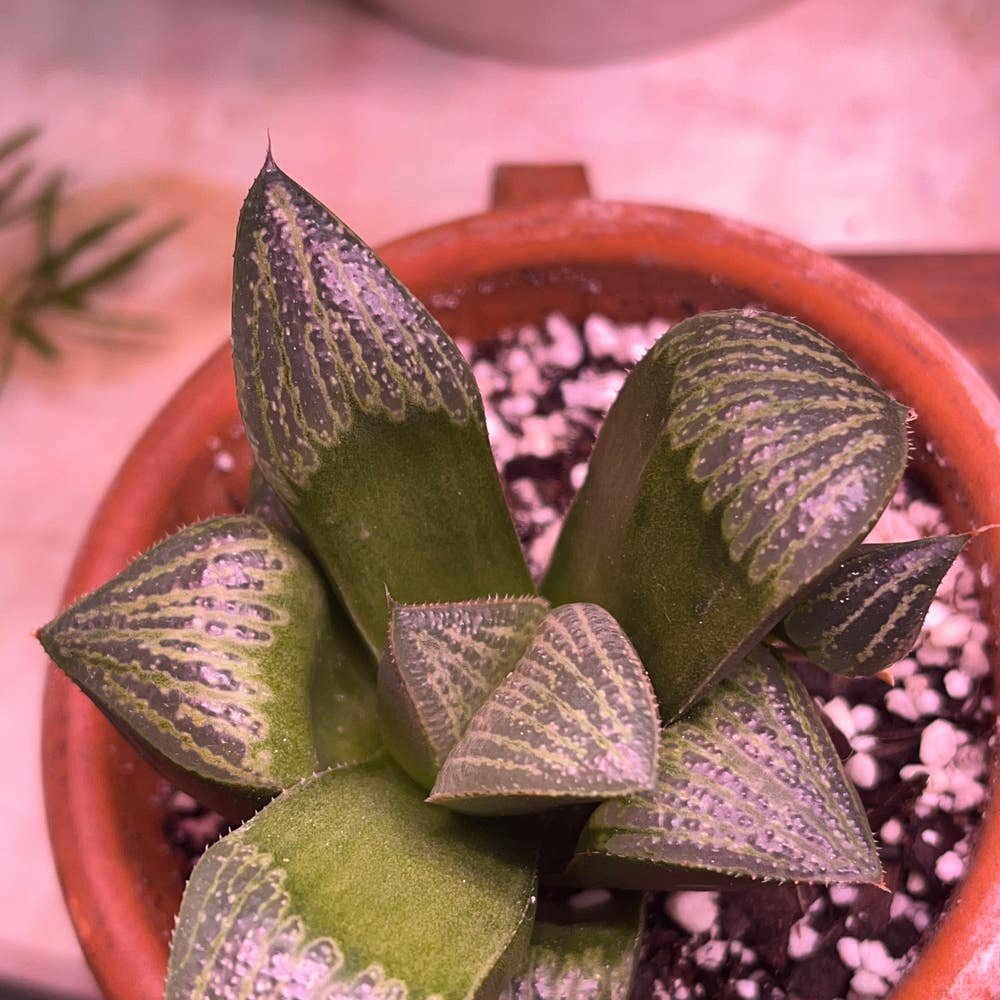
Why Are There Black Spots on My Calico Kitten Leaves? 🐱
Crassula pellucida 'Variegata'
By the Greg Editorial Team
Jun 18, 2024•4 min read
This article was created with the help of AI so we can cover more plants for you. May contain errors. See one? Report it here.
- Fungal and bacterial infections often cause black spots on leaves.
- Overwatering leads to root rot, adjust watering to prevent it.
- Improve air circulation to combat excess humidity and disease.
Spotting the Trouble: Recognizing Black Spots
🕵️ Visual Characteristics of Black Spots
Black spots on Calico Kitten leaves demand attention with their dark, often circular shape. They may have feathery edges or display concentric rings, hinting at fungal involvement. Tiny black dots within the spots, particularly if encircled by a yellow halo, are a red flag for fungal activity.
🧐 Where to Look
Flip the leaves; black spots frequently begin their invasion on the undersides. Regular inspections are crucial—consider them your plant's routine health screenings. Spots with dark margins or concentric rings are not just blemishes; they're symptoms of an infection that needs immediate attention.

Rooting Out the Causes
💧 Too Much Love: Overwatering Woes
Yellow, swollen leaves may be a sign of overwatering in your Calico Kitten. These leaves can burst from excess water, and if the issue persists, they might turn brown or black, detaching with a mere touch. Overwatering can lead to root rot, where roots become dark brown or black, soft, and slimy. Catching this early is crucial; otherwise, the plant may be beyond saving. If only some roots are affected, remove the unhealthy parts, treat with fungicide, and repot in well-draining soil.
🍄 Fungal Foes: Battling Leaf Spot Diseases
Fungal infections manifest as black spots on Calico Kitten leaves. These spots can indicate a deeper issue, possibly from lingering moisture. To combat this, ensure the plant is in a well-ventilated area and consider applying a fungicide tailored to the specific pathogen. Remember, prevention is key, so maintain a healthy plant to fend off these microscopic invaders.
🦠 Bacterial Battles: Spotting the Signs
Bacterial infections can cause spots on leaves or contribute to root rot if the plant is overwatered. Identifying bacterial issues involves examining the plant for irregular spots and assessing the moisture level. If bacteria are suspected, improving air circulation and possibly applying bactericides are steps towards recovery.
🌡️ Environmental Stress: When Conditions Aren't Just Right
Calico Kitten thrives in dry environments; excess humidity can invite fungi, leading to leaf spots. Ensure the plant is not in a stagnant air zone and consider using a dehumidifier if necessary. Consistent environmental conditions are vital—avoid placing your plant in areas with drastic temperature changes or direct drafts.

Crafting the Cure: Treatment Tactics
💧 Drying Out: Watering Wisdom
Adjusting watering practices is crucial for the Calico Kitten's health. Overwatering can lead to root rot, creating a breeding ground for pathogens. Ensure the soil is mostly dry before watering again.
🌿 Fungicide to the Rescue: Choosing and Using
Select a fungicide that's effective against leaf spot diseases. Apply it with care, following the label's instructions to the letter. Protective gear is a must, and always treat in a well-ventilated area.
🦠 Bacteria Busters: When to Use Bactericides
Bactericides should be used as a last resort. If cultural practices fail to fend off bacterial issues, apply bactericides sparingly and strategically. Remember, they're your secret weapon, not your go-to tool.
💨 Airflow and Humidity: Creating the Ideal Environment
Good air circulation is non-negotiable. Position your Calico Kitten in a spot where air can move freely. If humidity is low, consider using a humidifier or placing the plant in a naturally humid area like a bathroom, but be mindful not to overdo it.

When to Call for Backup: Seeking Professional Help
Sometimes, black spots on your Calico Kitten leaves are more than just a cosmetic issue; they can signal a serious problem that requires expert intervention. If your plant's condition worsens despite your best efforts, or if you're unsure about the diagnosis or treatment, it's time to seek professional help.
🚨 Recognizing the Signs
- Persistent issues that don't improve with home care
- Rapidly worsening symptoms despite treatment
- Uncertainty about the cause of the black spots
🕵️ Finding the Right Expert
- Local nurseries or garden centers often have knowledgeable staff
- Extension services or agricultural agents provide expert advice
- Plant pathologists specialize in diagnosing plant diseases
💻 Utilizing Online Resources
- Reach out to online forums or plant care communities
- Consult reputable plant care websites for guidance
🚑 When Immediate Help is Needed
- If your plant shows signs of a severe infection that could spread to other plants
- When you suspect toxicity issues that could affect pets or humans
Remember, admitting you need help is a sign of a responsible plant owner. Don't hesitate to call in the cavalry when your Calico Kitten's health is on the line.
⚠️ Safety First
This content is for general information and may contain errors, omissions, or outdated details. It is not medical, veterinary advice, or an endorsement of therapeutic claims.
Always consult a qualified healthcare professional before using any plant as food, medicine, or supplement.
Never eat any plant (or feed one to pets) without confirming its identity with at least two trusted sources.
If you suspect poisoning, call Poison Control (800) 222-1222, the Pet Poison Helpline (800) 213-6680, or your local emergency service immediately.
Spotted an error? Please report it here.