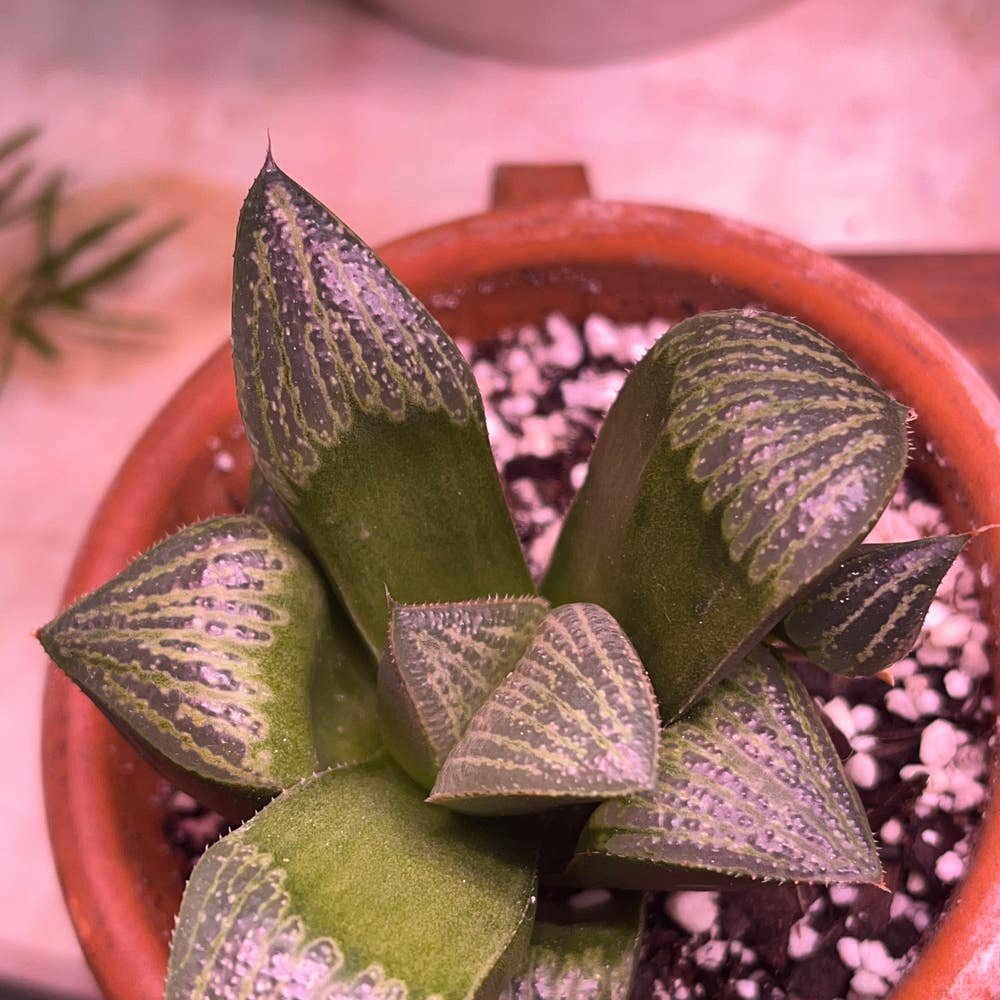
Calico Kitten - Fertilizing 101 🐈
Crassula pellucida 'Variegata'
By the Greg Editorial Team
Jun 18, 2024•4 min read
This article was created with the help of AI so we can cover more plants for you. May contain errors. See one? Report it here.
- 🌱 Organic vs. Synthetic: Choose gentle organic to avoid burn risks.
- Low nitrogen, high phosphorus for root and flower health.
- Fertilize seasonally: More in spring/summer, less in autumn, none in winter.
Picking the Right Fertilizer for Your Calico Kitten
💡 Organic vs. Synthetic: Which Way to Go?
Organic fertilizers are the gentle giants of plant nutrition, releasing nutrients slowly as they break down. They're less likely to cause harm if you get a bit heavy-handed, but they might not pack the same punch as their synthetic counterparts. Synthetic fertilizers are the fast-food option—quick, efficient, and designed to deliver nutrients pronto. However, they come with a higher risk of overfeeding and burning your Calico Kitten. It's a trade-off: speed and potency versus gentleness and sustainability.
🍽️ Understanding NPK Ratios
NPK ratios are like the secret code of plant growth. The numbers tell you the percentage of Nitrogen (N), Phosphorus (P), and Potassium (K). For your Calico Kitten, a balanced diet is key. Look for a fertilizer with a low nitrogen content to avoid excessive leafy growth. Instead, aim for a formula that promotes root and flower development—something with a higher phosphorus number. Remember, this succulent isn't a big eater, so a balanced, water-soluble fertilizer at half strength will do the trick.

Timing is Everything: When to Fertilize
⏰ Growth Stages and Fertilizer Timing
Fertilizing your Calico Kitten isn't about dumping nutrients at random. Timing is critical. During the active growing season, typically spring and summer, your succulent is in beast mode, pumping out new growth. This is when it's hungriest for nutrients. But remember, Calico Kittens are slow growers and can often get by with less.
Seasonal Fertilizing Do's and Don'ts
As the seasons shift, so should your fertilizing strategy. In spring, it's go-time; your plant is waking up and ready to chow down. Summer? Keep the party going but watch for signs of nutrient overload. Come autumn, it's time to taper off; your plant is starting to wind down. And in winter, it's the chill zone—think of it as your plant's Netflix and no dinner phase. No fertilizer needed when it's just lounging around.

The How-To of Fertilizing Calico Kitten
💧 Mixing and Diluting Fertilizers
Half-strength is the mantra when mixing fertilizer for your Calico Kitten. Overzealous pouring can lead to fertilizer burn, a surefire way to stress your succulent. Dilute a water-soluble fertilizer to half the recommended concentration. Think of it as making a weak tea for your plant—gentle yet effective.
🌱 Application Techniques
When it's time to feed your Calico Kitten, even distribution is key. Pour the diluted fertilizer solution over the soil until it's just moist, not drenched. Avoid wetting the leaves to prevent rot. Remember, these succulents are more forgiving of neglect than overindulgence. If in doubt, err on the side of under-fertilizing; you can always add more, but you can't take it back.

Recognizing and Fixing Fertilizer Faux Pas
🚨 Spotting the Signs of Over-Fertilization
Over-fertilization can be a silent assailant in the plant world, but your Calico Kitten will show distress signals if you're vigilant. Leaf burn, where edges and tips turn brown, is a telltale sign. If your plant's growth seems stunted or leaves are dropping like flies, take note. A white crust on the soil's surface is the plant's SOS—too much salt from fertilizer. Wilting leaves with damp soil? That's another red flag. And don't overlook the roots; blackened or limp roots spell trouble.
🛠️ The Recovery Plan
Caught red-handed with a fertilizer shaker? Time for damage control. First, remove any visible fertilizer from the soil's surface. Second, give the soil a thorough flushing with water to dilute the excess nutrients. This may need repeating every few days. Third, prune away the casualties—those crispy leaves aren't making a comeback. In severe cases, consider repotting your Calico Kitten in fresh, nutrient-free soil. It's like hitting the reset button for your plant. Hold off on the next fertilizer round until your plant has forgiven you and looks healthy—usually a few weeks. Remember, it's a succulent, not a glutton; go easy on the feed next time.
⚠️ Safety First
This content is for general information and may contain errors, omissions, or outdated details. It is not medical, veterinary advice, or an endorsement of therapeutic claims.
Always consult a qualified healthcare professional before using any plant as food, medicine, or supplement.
Never eat any plant (or feed one to pets) without confirming its identity with at least two trusted sources.
If you suspect poisoning, call Poison Control (800) 222-1222, the Pet Poison Helpline (800) 213-6680, or your local emergency service immediately.
Spotted an error? Please report it here.
Nurture your Calico Kitten to perfection 🌿 with Greg's custom fertilizing reminders, ensuring you never over or under-feed your leafy friend.