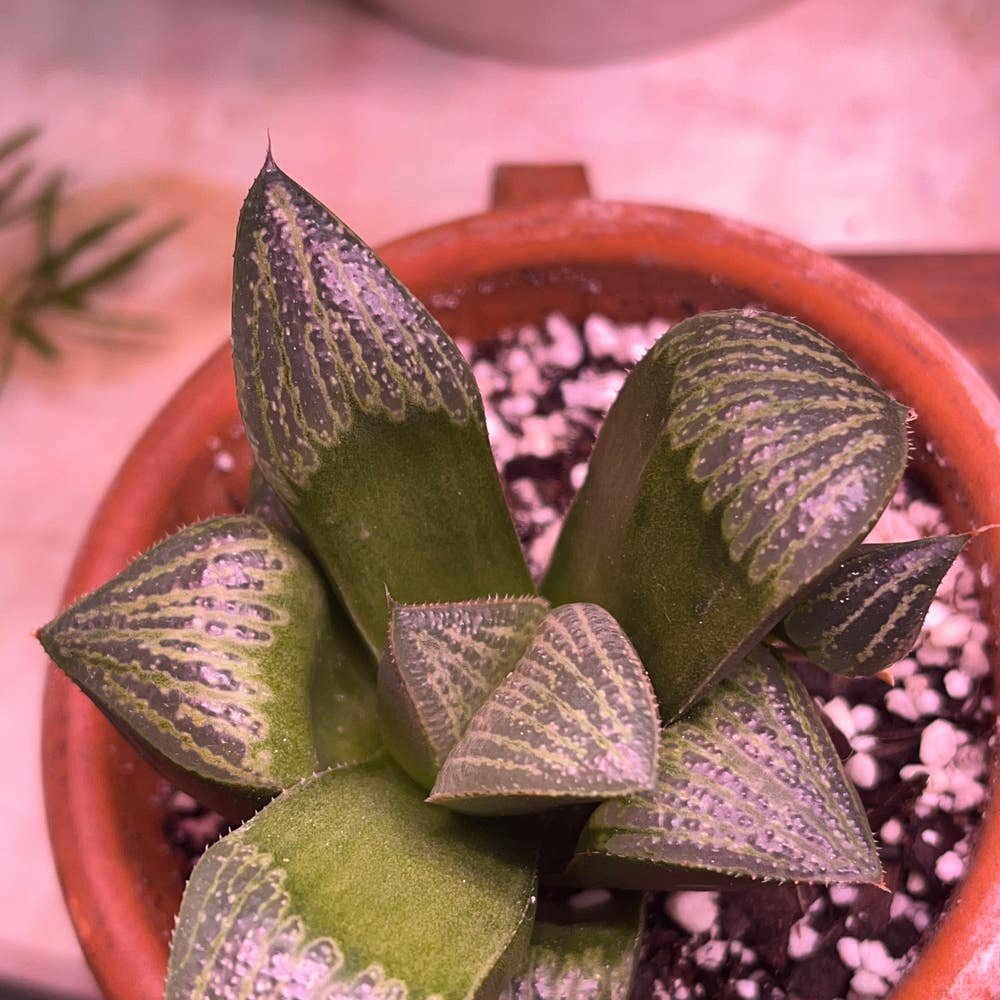
What Do I Do About Calico Kitten Root Rot? 🐱
Crassula pellucida 'Variegata'
By the Greg Editorial Team
Jun 18, 2024•3 min read
This article was created with the help of AI so we can cover more plants for you. May contain errors. See one? Report it here.
- 🚩 Yellow leaves and soil odor signal Calico Kitten root rot.
- ✂️ Prune damaged roots, switch to well-draining soil to save the plant.
- 💧📅 Water wisely and monitor humidity to prevent future root rot.
Spotting the Red Flags: Recognizing Root Rot in Your Calico Kitten
🚩 Visual Symptoms
Yellowing leaves on your Calico Kitten are not a new fashion statement; they're a distress signal. If your plant's leaves are more wilted than a forgotten salad, it's time to perk up and pay attention. Soil odor that hits your nose like a forgotten protein shake is another red flag. Don't ignore these signs; they're your plant's cry for help.
🕵️ Root Inspection
To get to the root of the problem, you'll need to channel your inner detective. Gently remove your Calico Kitten from its pot and inspect the roots. Mushy, discolored roots are as unwelcome as soggy fries—they spell trouble. Healthy roots should be firm and pale, not resembling something from a zombie flick. If they're brown and slimy, it's time to take action.

Immediate Response: Saving Your Calico Kitten from Root Rot
🌿 Pruning the Damage
It's crunch time for your Calico Kitten plant. If you've spotted root rot, grab your sterilized shears and get ready for some plant surgery. Snip away all the mushy, dark, and smelly roots. Be ruthless but careful; only the healthy, firm roots should remain. This is no time for half-measures.
🌱 Soil and Water Overhaul
Ditch the swamp vibes. Your Calico Kitten craves a dry, well-draining environment. Swap out the old, soggy soil for a fresh mix with plenty of perlite or sand. When it comes to watering, think of it as a spice – less is more. Wait until the soil is bone-dry before giving it another drink. Remember, overwatering is like throwing a pool party with no lifeguard on duty – risky business.

Fungus Among Us: Dealing with the Invisible Culprit
🌿 Choosing the Right Fungicide
When your Calico Kitten succumbs to root rot, fungicides are your go-to defenders. Precision is crucial; you're not just spraying and praying. Systemic fungicides like Propiconazole or Subdue get into the plant's system, targeting the rot at its core. Mix according to the label's instructions—this isn't a freestyle competition. Apply post-surgery, after you've removed the rotten roots. And rotate your fungicides; fungi are crafty and can build resistance.
🍃 Natural Alternatives
If you're not keen on the synthetic route, nature's got your back. Neem oil and biological fungicides are the green thumbs' choice, bolstering your plant's defenses with less toxicity. Remember, these are more of a gentle nudge than a knockout punch. For a quirky home remedy, bury a garlic clove in the soil. It's like a natural pest repellent, minus the vampire myths. Keep your tools clean and your plant well-cared for; prevention is better than cure.

Keeping Root Rot at Bay: Prevention Tactics
💧 Watering Wisdom
Crafting a watering schedule that aligns with your Calico Kitten's needs is crucial. Overwatering is the fast track to root rot, so let the top inch of soil dry out before giving it another drink. It's not just about frequency; it's about precision. Water deeply, then step back and let the plant do its thing.
🌱 The Perfect Potting Mix
Your Calico Kitten craves a soil mix that's the botanical equivalent of a breathable cotton tee. Mix in perlite or coarse sand to keep things light and airy. This isn't just about avoiding water retention; it's about giving those roots room to breathe and thrive.
🌬️ Environmental Checks
Root rot despises a well-ventilated area as much as a cat hates water. Ensure proper air circulation around your plant to keep the humidity in check. It's not just about the roots; it's about creating an environment where excess moisture doesn't stand a chance.
⚠️ Safety First
This content is for general information and may contain errors, omissions, or outdated details. It is not medical, veterinary advice, or an endorsement of therapeutic claims.
Always consult a qualified healthcare professional before using any plant as food, medicine, or supplement.
Never eat any plant (or feed one to pets) without confirming its identity with at least two trusted sources.
If you suspect poisoning, call Poison Control (800) 222-1222, the Pet Poison Helpline (800) 213-6680, or your local emergency service immediately.
Spotted an error? Please report it here.
Prevent Calico Kitten root rot by catching early signs with Greg's PlantVision 🔍 and maintaining perfect moisture levels with custom watering reminders.