


Wandering Heath
Kiersten Rankel
Kiersten lives in New Orleans, LA and graduated with her masters degree in Ecology and Evolutionary Biology from Tulane University in 2019.
She has conducted or assisted on research studies covering trees such as the bald cypress, swamp maple, and water tupelo, as well as important marsh grasses including Juncus, Spartina, and Phragmites.
Kiersten is a certified Louisiana Master Naturalist and regularly volunteers with local community gardens and nonprofits to help restore critical ecosystems along the Gulf Coast.
About Wandering Heath
Wandering Heath is a super rare houseplant 🌿 that needs regular watering to thrive. They do best in long-lasting, direct light ☀️ and should be less than 1 foot from a window.
Wandering Heath likes soil that is well draining.
Taxonomy

Erica vagans
Erica
Ericaceae
Ericales
Also known as
wandering heath and Cornish heath

How to care for Wandering Heath
How often to water your Wandering Heath

every 9
Wandering Heath needs 0.5 cups of water every 9 when it doesn’t get direct sunlight and is potted in a 5" pot.
Use our water calculator to personalize watering recommendations to your environment or download Greg for more advanced recommendations for all of your plants.

Water 0.5 cups every
9
Finding light for Wandering Heath in your home

a window
Wandering Heath love being close to bright, sunny windows 😎.
Place it less than 1ft from a south-facing window to maximize the potential for growth.
Wandering Heath does not tolerate low-light 🚫.
Select your region to see how the current weather in your area affects the placement of Wandering Heath in your home 🏡.
How to fertilize Wandering Heath

Most potting soils come with ample nutrients which plants use to produce new growth.
By the time your plant has depleted the nutrients in its soil it’s likely grown enough to need a larger pot anyway.
To replenish this plant's nutrients, repot your Wandering Heath after it doubles in size or once a year—whichever comes first.
-
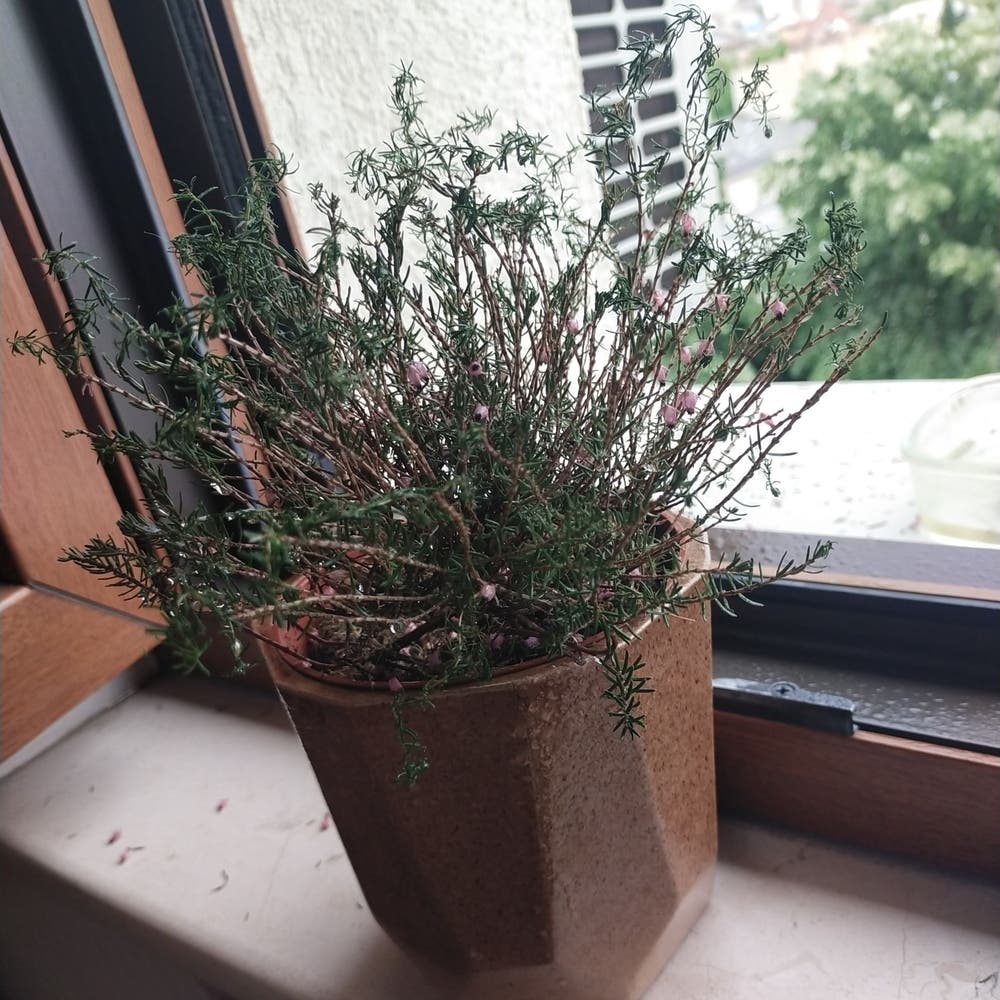
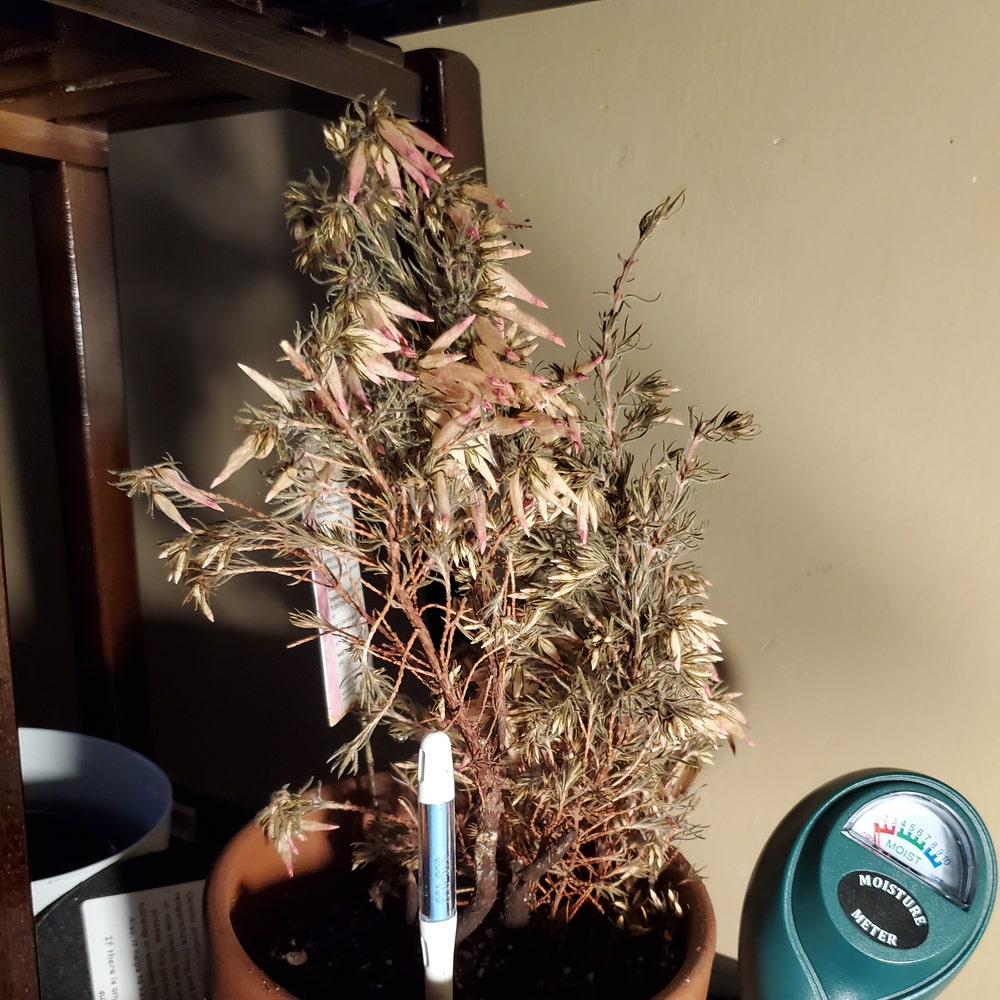
The flowers are turning yellow I got it when it was all white but slowly it turned yellow. Not sure if its normal? Its still growing though with new flowers they were white for a day or 2 and became brown also. I have asked a local plant shop they said that it could be because its an import plant and it just turns brown naturally in this climate
-
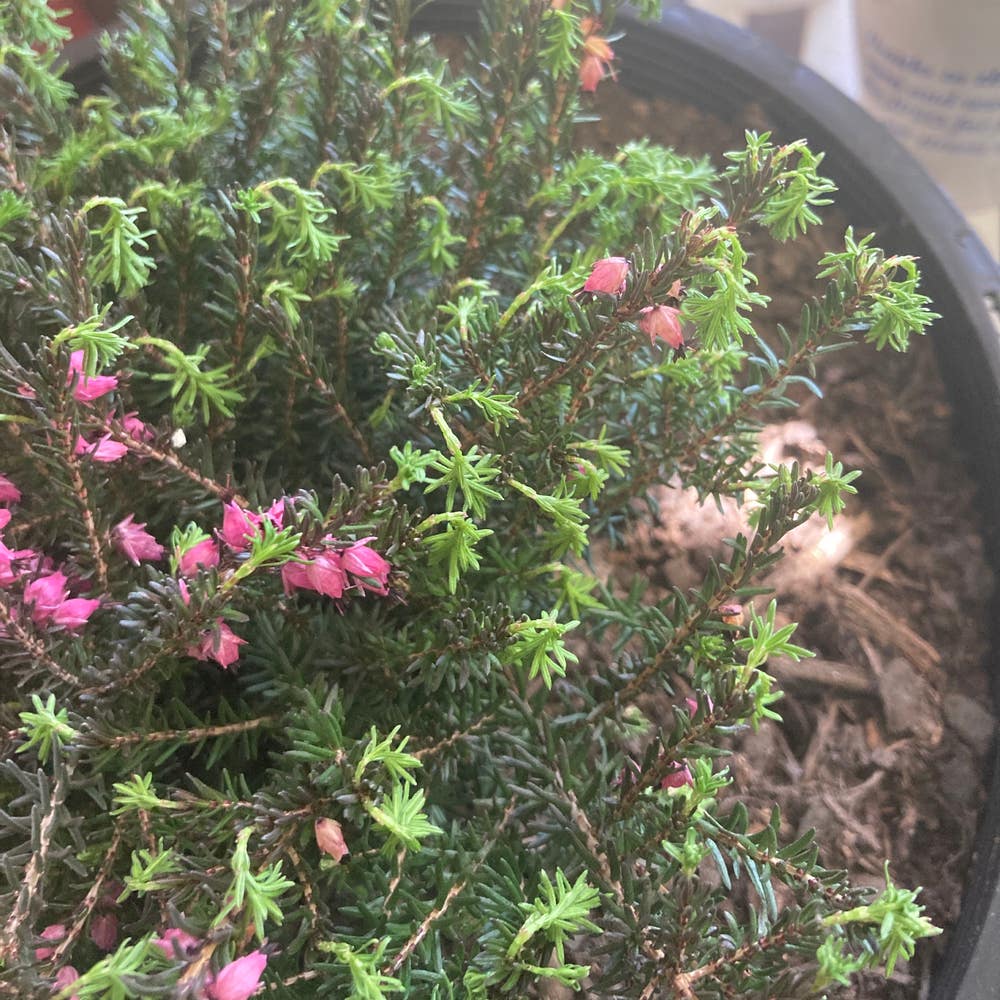
For those of you who enjoy #RootPorn 😅 Don’t worry, she got a trim, new soil and a bigger pot. 💕 #Heather #rootbound #PlantTherapy #PatioPlants
-
My winter heath has been shedding too much lately, my plant shelf is full of it's leaves and I just noticed this now, it's like it happened overnight. Can anyone tell me what to do?
-
How do I know when to feed my italian heather plany
-
My winter heath’s new growth is droopy. Is this normal?

Care Summary for Wandering Heath

Wandering Heath
 Greg recommends:
 Water
Water
0.5 cups every 9 days
 Placement
< 1ft from a window
 Nutrients
Repot after 2x growth
Based on the 4” pot your plant is in, and that it doesn’t get direct sunlight.
 Trending in your area

Chinese Evergreen

Pincushion Peperomia

Florist Kalanchoe

Rattlesnake Plant
Pothos N' Joy

Cylindrical Snake Pla…

Tradescantia Zebrina

Polka Dot Begonia
Philodendron Birkin

Zebra Plant

Emerald Ripple Pepero…

Blushing Bride Air Pl…

Fairy Washboard
Heartleaf Philodendron

Bird's Nest Fern

Parlour Palm

English Ivy

Lipstick Echeveria
 Similar to Wandering Heath

✨ Discover rare plants

Variegated Arrowhead …

Pine Cone Plant

Philodendron 'Glorius'

Sedum 'White Diamond'

Chandelier Plant

Vatricania guentheri

Kilimanjaro Plant

Hoya 'Millie'

Cleistocactus icosago…
Skeleton Key Pothos
Carolina Reaper

Bonsai Crassula

Orange Lipstick Plant

Philodendron eximium
Philodendron 'Rio'

Large Leaf Elephant B…

Munstead Lavender
Greg’s plant care information is derived from first-principles biology and physics and supported by peer-reviewed research, academic institutions, and industry experts. We are committed to providing the highest-quality plant care information available, so if you have any concerns about our content, feel free to reach out to our support.
- Plants for a Future. “Plant Database.” pfaf.org. N.p., n.d. Web.
- Encyclopedia of Life. “Encyclopedia of Life.” eol.org. N.p., n.d. Web.