Light Requirements For Your Wandering Heath by Season
Erica vagans
By the Greg Editorial Team
Apr 08, 2024•3 min read
This article was created with the help of AI so we can cover more plants for you. May contain errors. See one? Report it here.
Master seasonal light tweaks for a thriving Wandering Heath, all year! 🌞🌿
- Bright, indirect light year-round keeps Wandering Heath healthy and blooming.
- Rotate and shield from harsh sun; use LED grow lights if needed.
- East or north-facing windows are best; adjust for seasons and flowering.
Seasonal Sunshine: Adapting Light for Wandering Heath
🌷 Spring and Summer Light Strategy
Maximizing growth is key as days lengthen. Your Wandering Heath craves bright, indirect light to thrive without the burn.
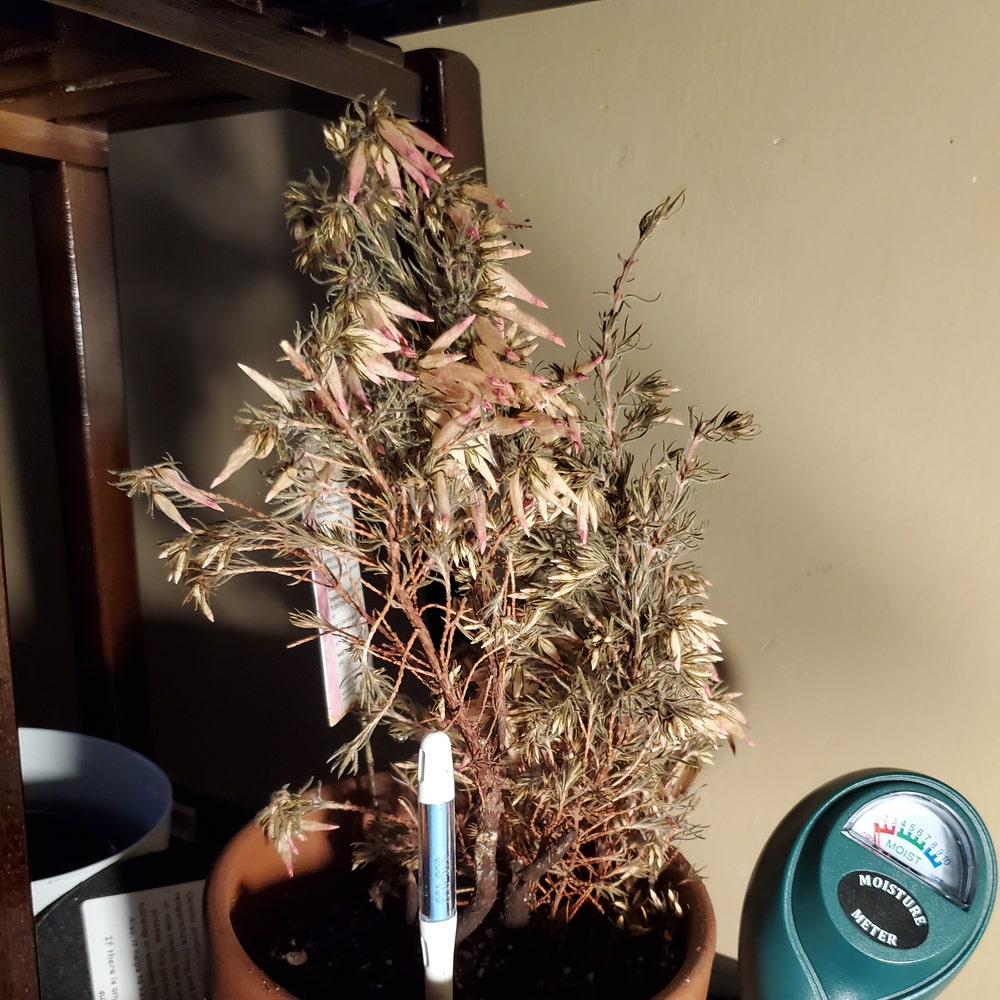
Shield your plant from the sun's midday intensity. Think of it as sunblock for your leafy friend—necessary protection to prevent a crispy fate.
🍂 Fall and Winter Light Adjustments
Shorter, dimmer days demand a light strategy tweak. It's time to cozy up your plant closer to the window, but beware of chilly drafts.
Consider supplemental lighting when the sun plays hard to get. A well-placed grow light can be the winter blues antidote for your plant.
Indoor Illumination: Finding the Perfect Spot
💡 Window Wisdom
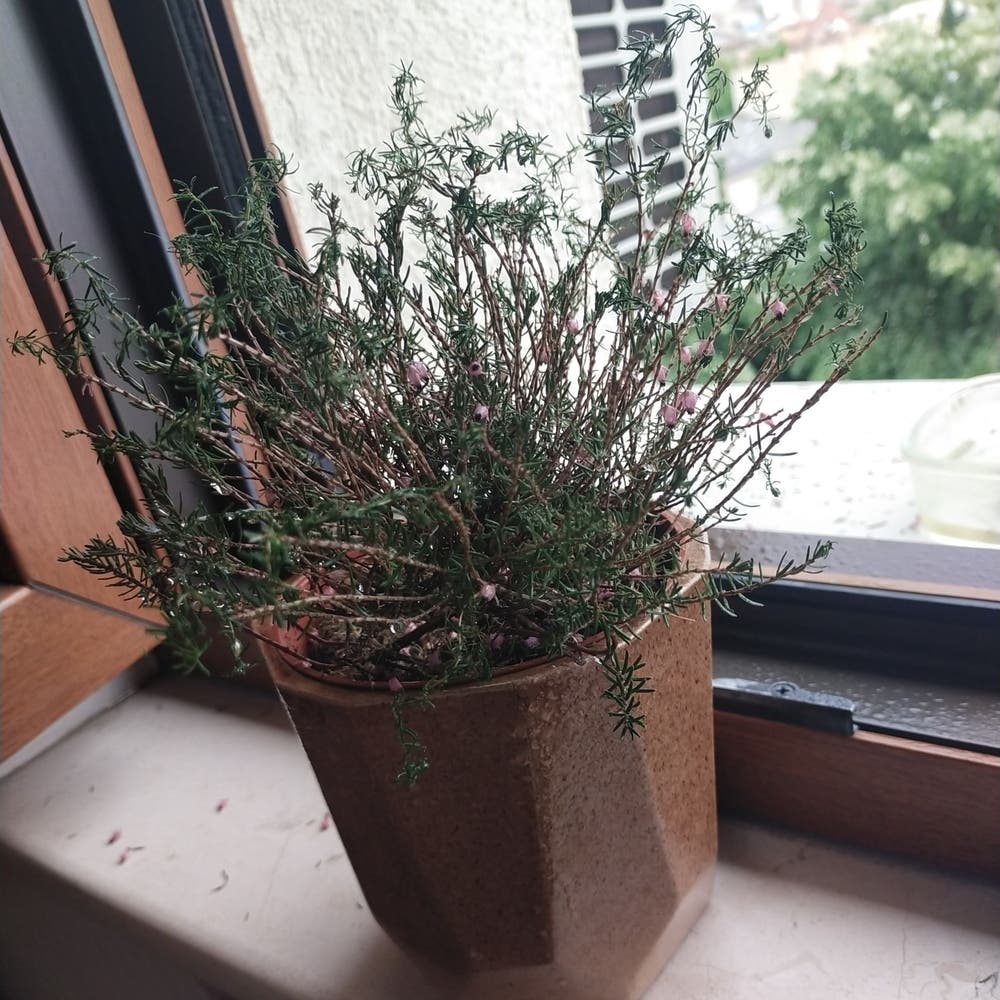
East or north-facing windows are ideal for your Wandering Heath, providing a gentle light that encourages growth without the risk of leaf scorch. Avoid the intense afternoon sun from south or west-facing windows, which can be too harsh for your plant's delicate leaves.
Rotate your plant regularly to ensure even light distribution and prevent the "all front, no back" syndrome. Be mindful of external factors like buildings or trees that could act as unintentional light dimmers.
💡 Artificial Ambiance
Introduce grow lights when your Wandering Heath's natural light is insufficient, especially during the darker months. LED lights are the top choice, offering energy efficiency and a balanced light spectrum that caters to your plant's needs without overheating.
Fluorescent lights are a reliable alternative, but remember, it's not just about having light—it's about having the right kind of light. Aim for 12-16 hours of quality light per day to keep your Wandering Heath in top form.
Let There Be Blooms: Light's Role in Flowering
🌸 Triggering Flower Power
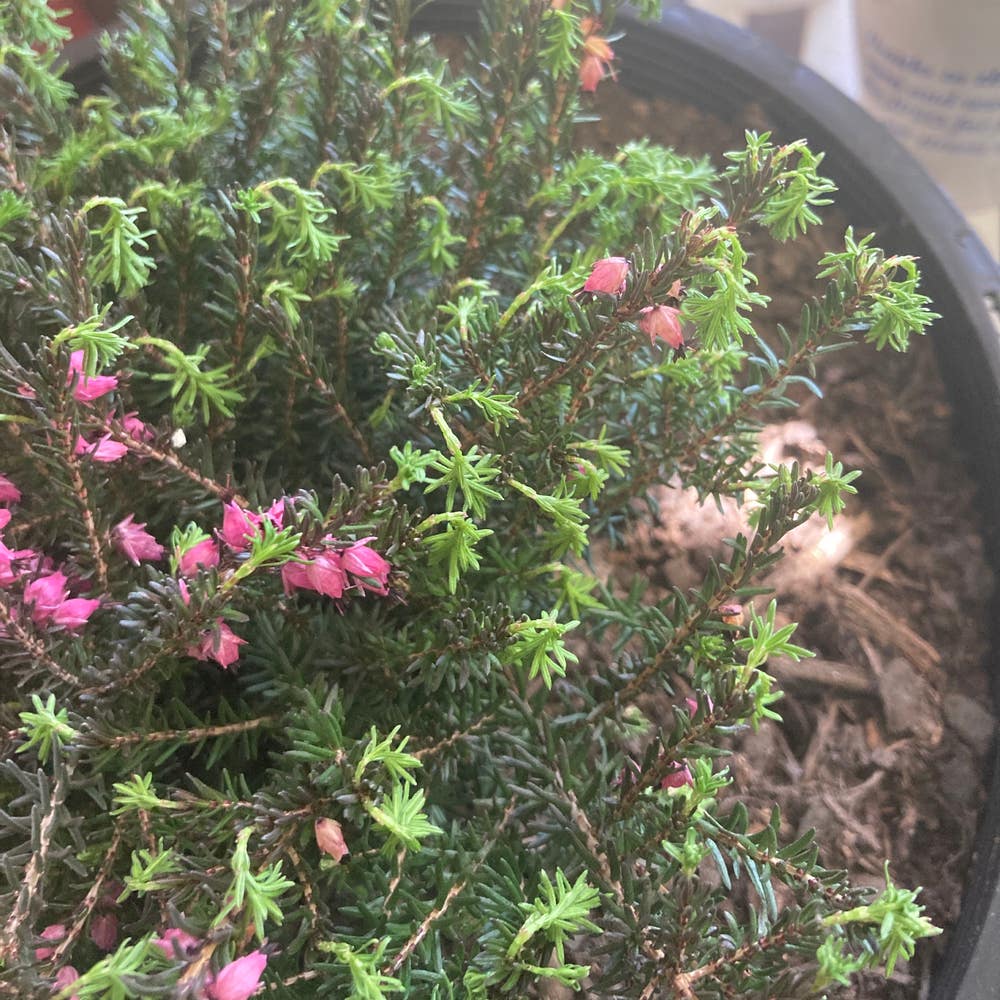
Wandering Heath, like a finicky artist, demands just the right lighting to unveil its floral masterpieces. Bright, indirect light is the secret sauce to encourage those blooms. Too much sun? You risk a leafy burnout. Not enough? Your plant's performance falls flat.
Rotate your Wandering Heath to give it an even tan, ensuring all sides get their moment in the spotlight. If your home is more cave than conservatory, consider a full-spectrum grow light. It's like a personal sun for your plant, coaxing out those shy flowers.
Remember, blooms are the divas of the plant world; they take their sweet time. Even with the ideal light, expect a bit of a wait before the show begins. Keep the faith, adjust as needed, and your patience will be rewarded with a floral encore.
⚠️ Safety First
This content is for general information and may contain errors, omissions, or outdated details. It is not medical, veterinary advice, or an endorsement of therapeutic claims.
Always consult a qualified healthcare professional before using any plant as food, medicine, or supplement.
Never eat any plant (or feed one to pets) without confirming its identity with at least two trusted sources.
If you suspect poisoning, call Poison Control (800) 222-1222, the Pet Poison Helpline (800) 213-6680, or your local emergency service immediately.
Spotted an error? Please report it here.
Ensure your Wandering Heath thrives 🌞 with Greg's tailored reminders to optimize light exposure, keeping your plant perfectly illuminated through every season.