What Is A Good Temperature Range For My Wandering Heath?
Erica vagans
By the Greg Editorial Team
Apr 08, 2024•4 min read
This article was created with the help of AI so we can cover more plants for you. May contain errors. See one? Report it here.
Ensure your Wandering Heath flourishes 🌿 by nailing the ideal 60-75°F temperature sweet spot!
- 60°F to 75°F (15°C to 24°C) is the Wandering Heath's happy zone.
- 🍂 Wilting or discolored leaves signal temperature distress.
- Drafts and sunlight extremes can wreak havoc on plant health.
Keeping Your Wandering Heath Cozy: Ideal Temperature Range
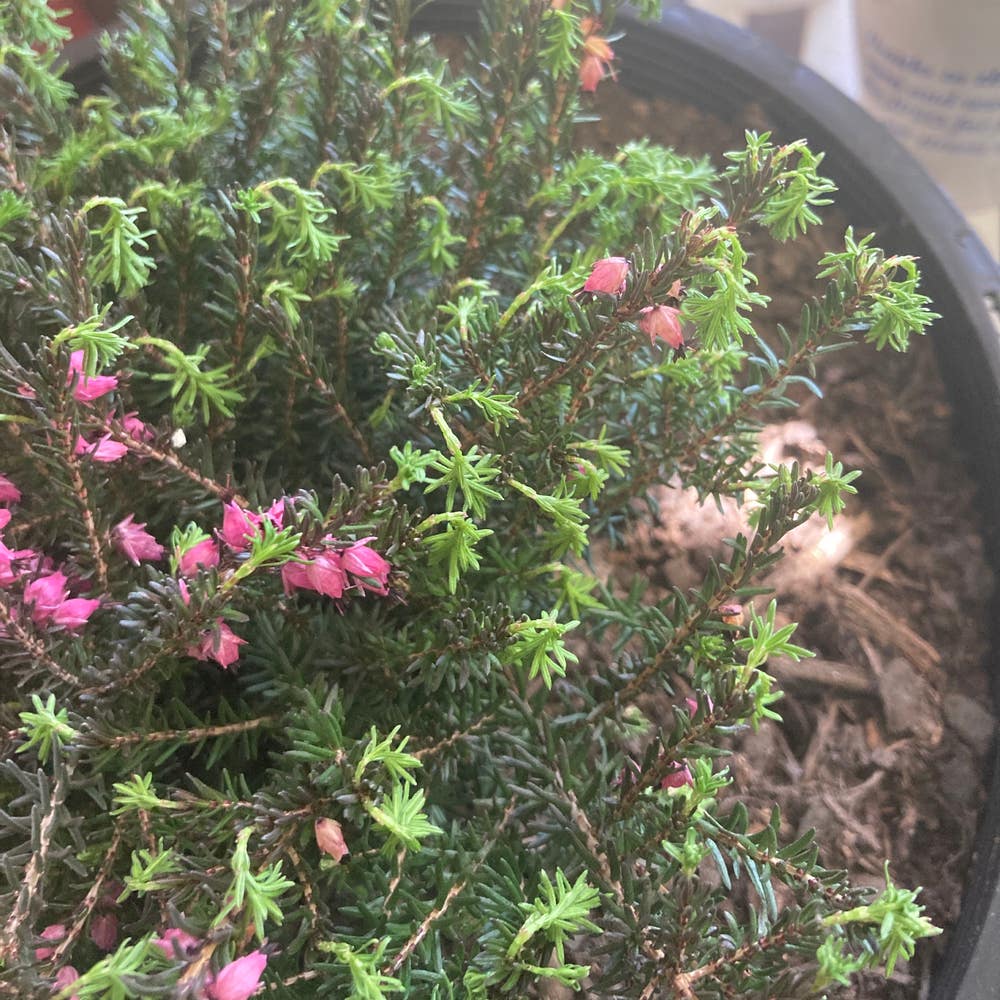
Delving into the ideal temperature range for your Wandering Heath, we find that 60°F to 75°F (15°C to 24°C) is the sweet spot. This is where your leafy friend can kick back and truly thrive.
🎯 The Sweet Spot Matters
The right temperature is like the perfect pair of jeans; it just feels right. Keeping your plant within this range ensures it's neither shivering in the cold nor wilting in the heat.
🐻 The Goldilocks Principle
It's not just a fable; it's plant care 101. Not too hot, not too cold, your Wandering Heath demands that just-right zone. Avoid placing it near heaters or chilly windows to maintain this delicate balance.
Spotting a Chilly or Toasty Wandering Heath: Temperature Stress Indicators
🥀 Wilting Woes
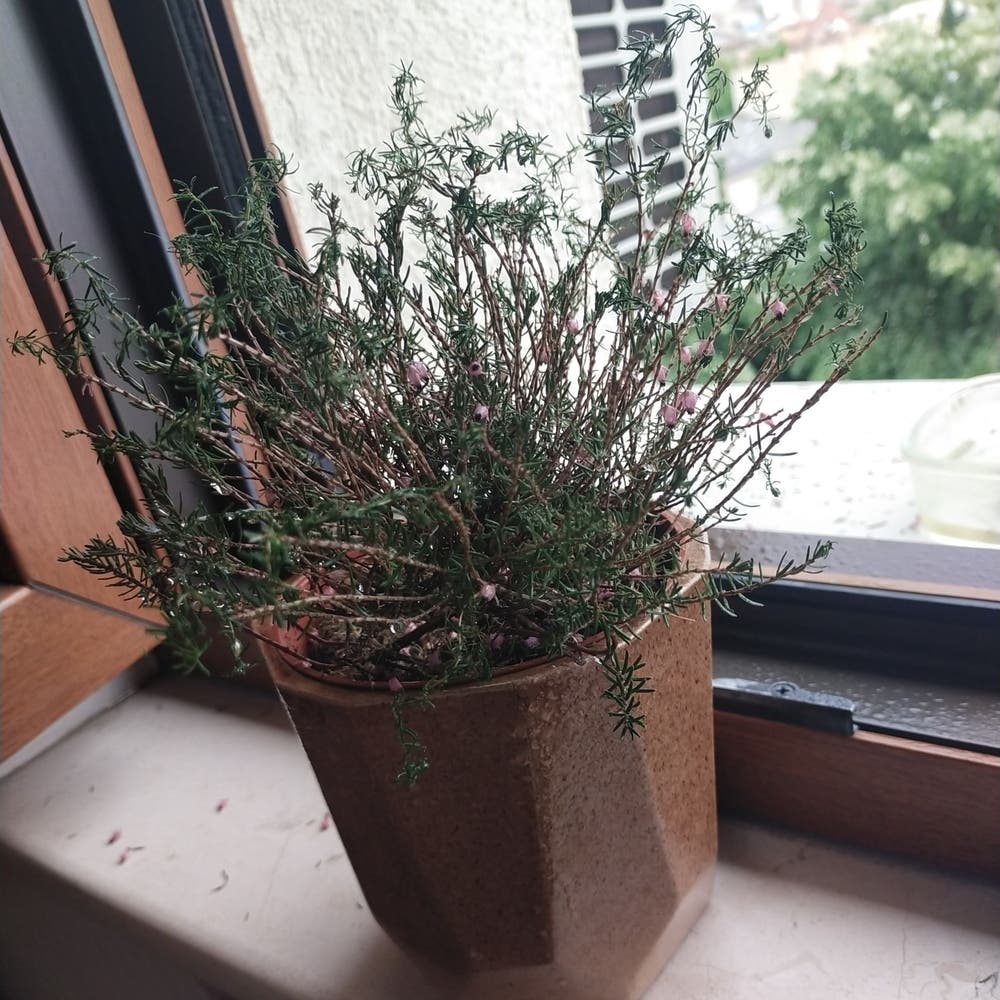
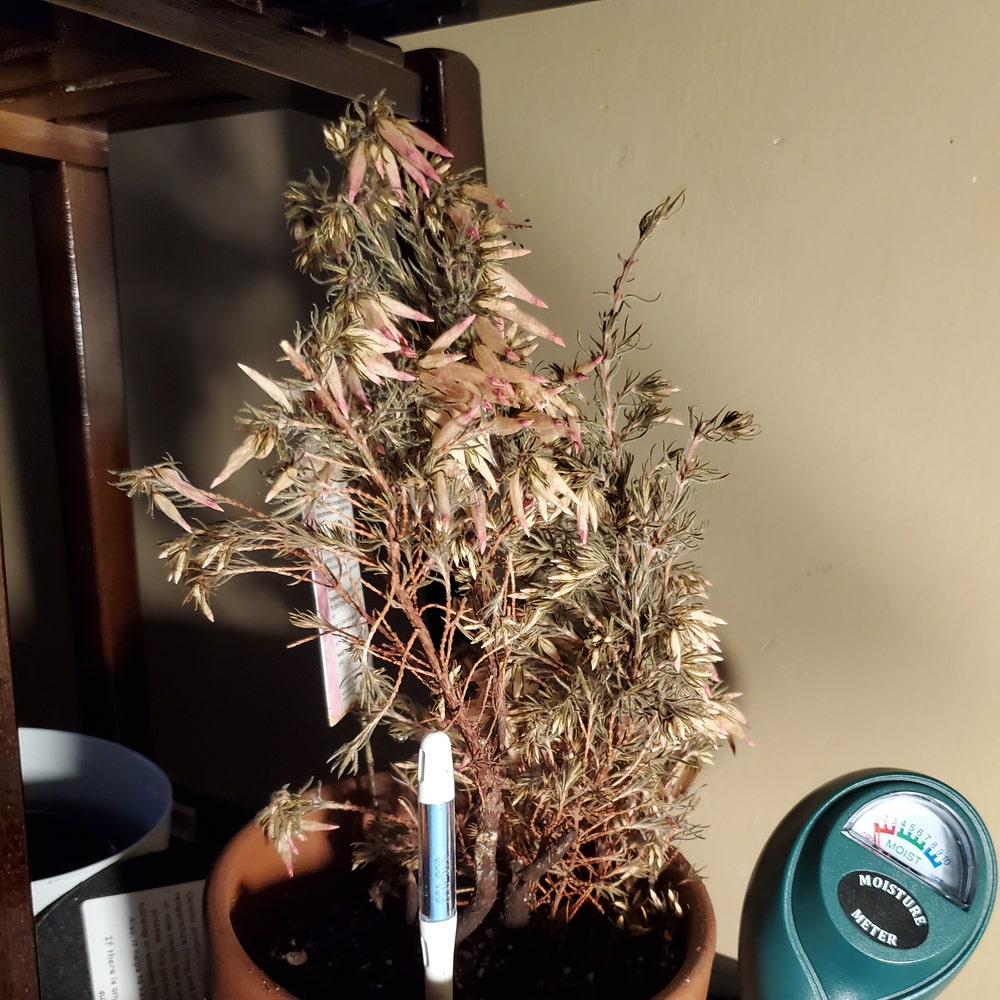
Wilting leaves are the classic distress call of a Wandering Heath in temperature turmoil. If your plant's leaves droop like they've just heard bad news, it's likely feeling the heat.
🎨 Color Conundrums
Discoloration is a plant's way of waving a red flag. Yellow leaves might be shouting about the sauna-like conditions, while brown spots whisper tales of chilly nights.
🌱 Growth Gripes
When growth slows to a snail's pace, it's a sign your Wandering Heath might be stuck in a temperature rut. Think of sluggish growth as the plant hitting the pause button, waiting for conditions to improve.
🍃 Leaf Texture Tells
Touch the leaves. Are they crispy or mushy? This tactile evidence is as revealing as a fingerprint in diagnosing whether your plant is too hot or too cold.
👀 Visual Distress Signals
Crispy leaves scream "I'm overheating!" while mushy, dark spots suggest a chill that's outstayed its welcome. Keep an eye out for these visual cues—they're your plant's way of communicating discomfort.
💧 The Weight of Water
Heft the pot. A waterlogged one feels like you're lifting a small boulder, indicating that temperature stress might be compounded by moisture issues.
🌱 Unseen Root Issues
Remember, roots suffer in silence from temperature extremes. If your plant's growth hits a wall, it's worth checking the roots for signs of temperature distress.
🌿 Spindly Stems and Leggy Growth
Inconsistent light can make stems spindly, while temperature swings can lead to stunted growth. It's not moodiness; it's a climate cry for help.
🍂 Leaf Drop and Flowering Flares
Leaf drop and unexpected flowering can be a plant's white flag, suggesting it's too hot and trying to reproduce before it's too late. Keep an eye out for these dramatic displays.
🚨 Stem Signals
If the stems are browning, it's not a new aesthetic; it's cold damage sending out a red alert.
🌡️ The Importance of Observation
Spotting these signs early is key. Act swiftly to adjust the temperature and give your Wandering Heath the comfort it craves.
When the Weather Outside is Frightful: Causes of Temperature Stress
🌬️ Drafty Dilemmas
Drafts are the sneak thieves of warmth, often cooler than your plant's comfort zone. They can cause a rapid temperature drop, shocking your Wandering Heath. Keep your plant away from the treacherous paths of open windows and air vents.
🌞 Sunburn and Shivers
Direct sunlight can be a deceitful enemy, luring plants with light but hitting them with a heatwave. Conversely, a cold snap acts like a surprise ice bath, jolting your plant's system. Both extremes can cause your Wandering Heath to wilt or discolor.
🎢 The Yo-Yo Effect
Sudden temperature changes are a big no-no. Moving your plant from a cozy indoor spot to a chilly balcony can cause stress akin to a plant's mid-life crisis. Aim for a stable environment to keep your Wandering Heath from experiencing these dramatic highs and lows.
A Quick Nod to Humidity: Its Tango with Temperature
💧 Humidity's Supporting Role
Humidity isn't just a side note; it's a key player in the Wandering Heath's comfort. As the temperature rises, so does the air's thirst for moisture, making humidity a variable you can't afford to overlook.
🕺 The Humidity-Temperature Tango
It's a dance of sorts. Temperature dictates the pace, while humidity moves in sync, creating an environment that can either make or break your plant's health.
🧐 Keeping the Balance
Monitor both temperature and humidity to prevent your Wandering Heath from experiencing the botanical equivalent of a wardrobe malfunction. Too dry, and you might as well be tucking it into the Sahara; too damp, and you're setting the stage for a fungal free-for-all.
🌦 Seasonal Humidity Swings
As seasons shift, so does indoor humidity. Your Wandering Heath doesn't care about the forecast, but it does rely on you to keep its microclimate steady.
🌡 Humidity Control Tips
To manage humidity, consider a humidifier or dehumidifier, depending on your plant's needs. Grouping plants can also create a mini-humidity haven, giving your Wandering Heath the backup dancers it needs to perform its best.
⚠️ Safety First
This content is for general information and may contain errors, omissions, or outdated details. It is not medical, veterinary advice, or an endorsement of therapeutic claims.
Always consult a qualified healthcare professional before using any plant as food, medicine, or supplement.
Never eat any plant (or feed one to pets) without confirming its identity with at least two trusted sources.
If you suspect poisoning, call Poison Control (800) 222-1222, the Pet Poison Helpline (800) 213-6680, or your local emergency service immediately.
Spotted an error? Please report it here.
Ensure your Wandering Heath flourishes 🌡️ by leveraging Greg's precise temperature and humidity tracking for an always ideal plant habitat.