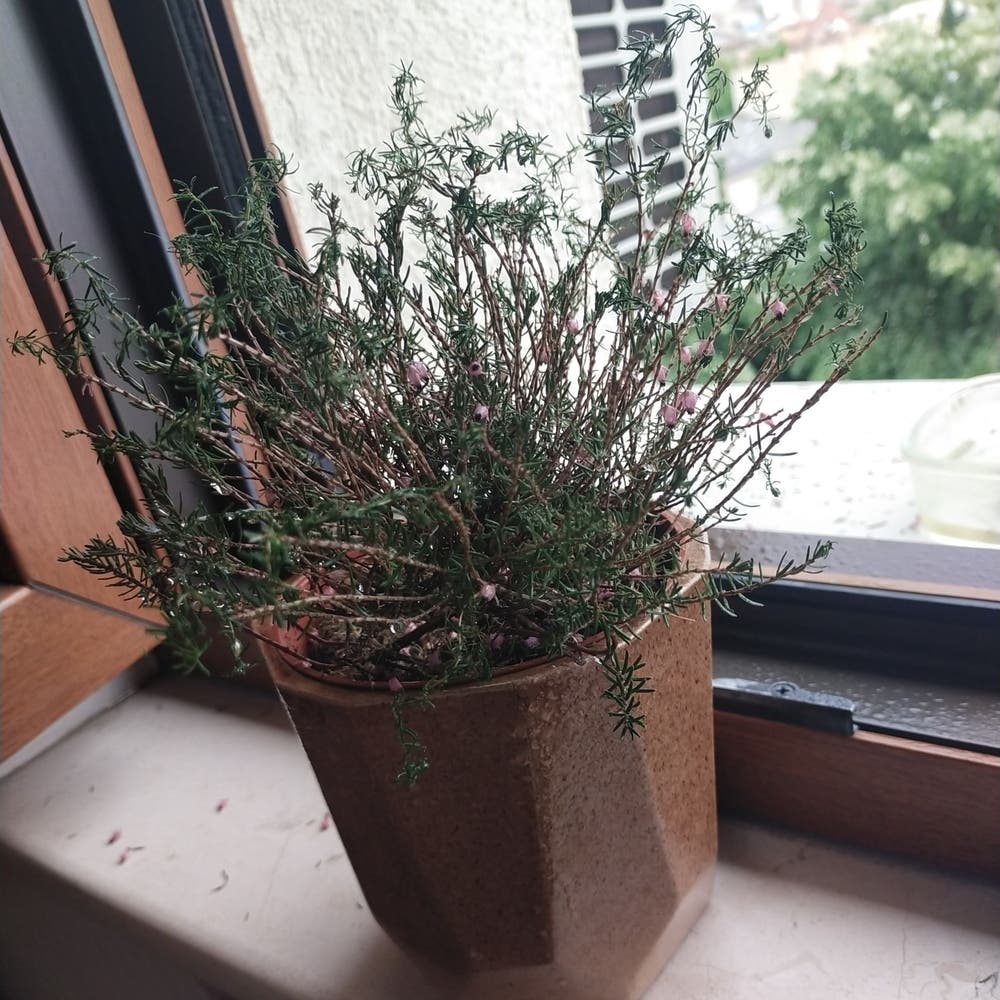
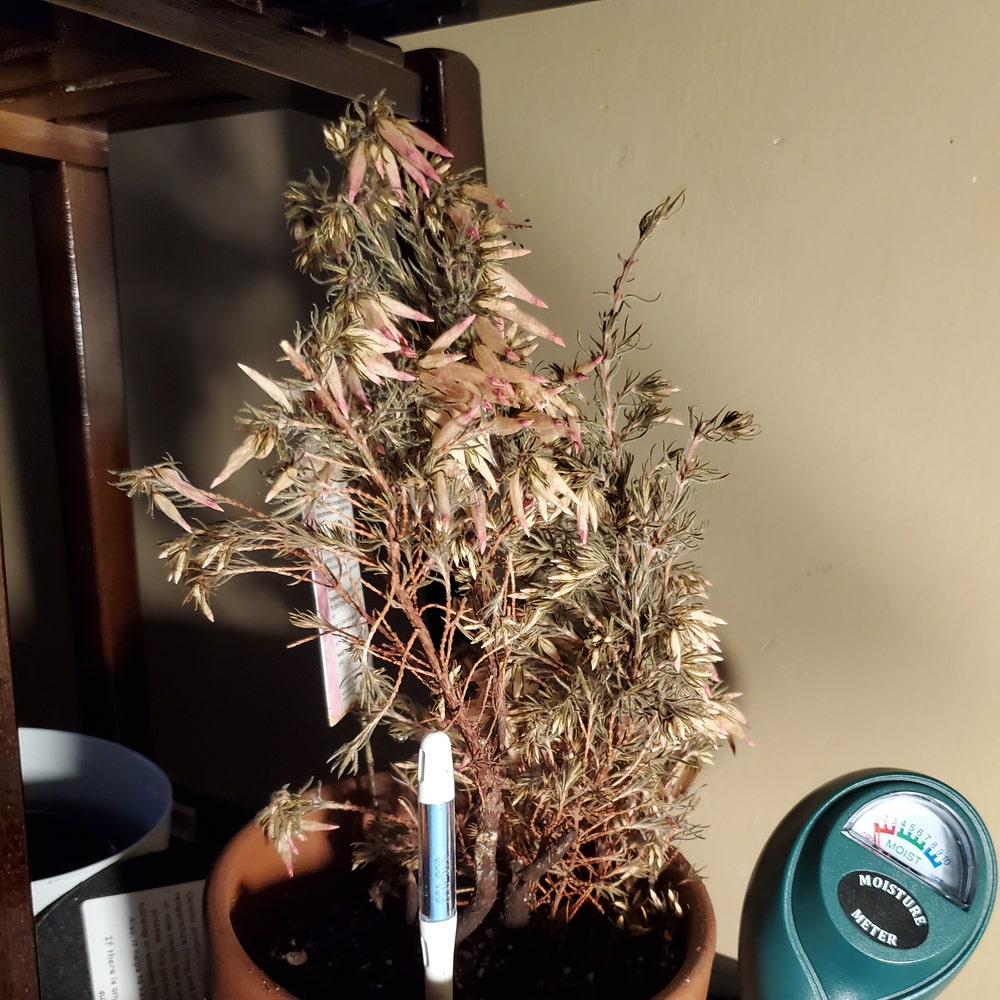
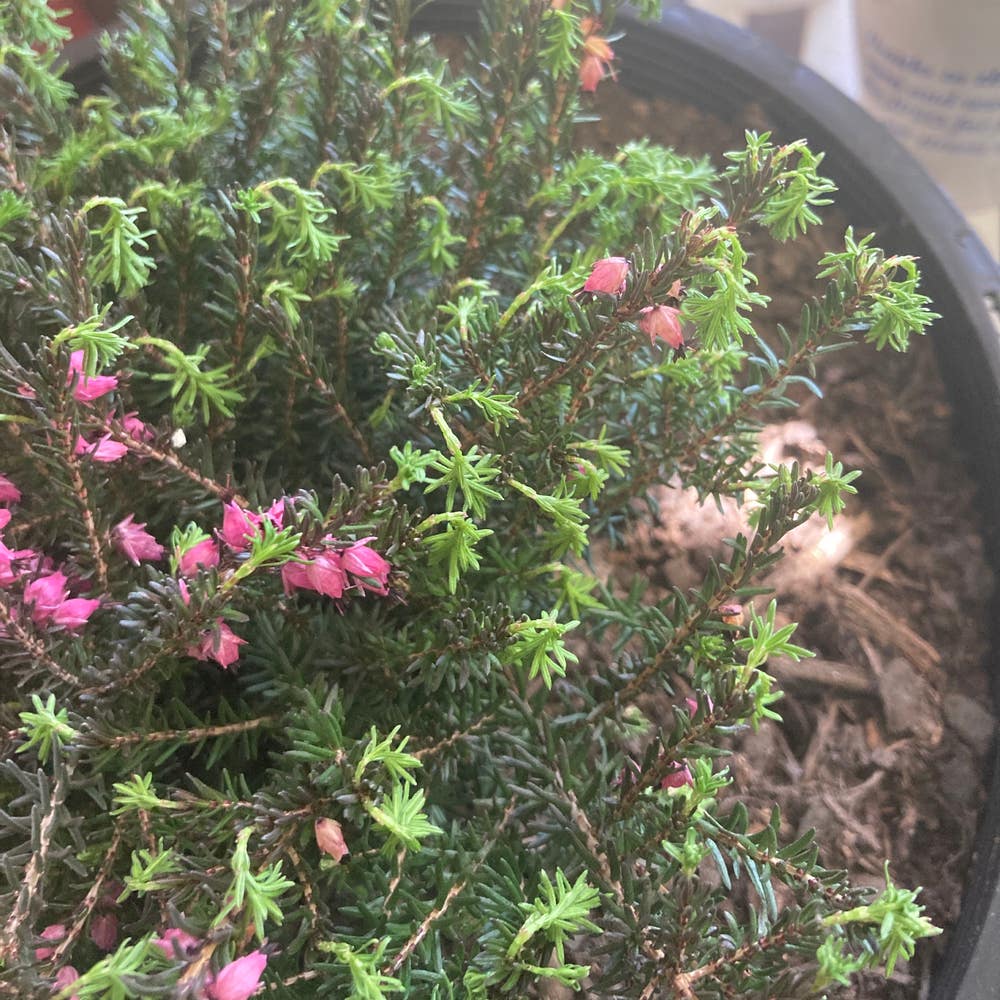
🍂 Why Are My Wandering Heath Leaves Turning Yellow?
Erica vagans
By the Greg Editorial Team
Apr 08, 2024•5 min read
This article was created with the help of AI so we can cover more plants for you. May contain errors. See one? Report it here.
Halt the yellow leaf march 🍂 and ensure your Wandering Heath thrives with these essential care tips!
- 🌧️ Overwatering causes yellow leaves; let soil dry out between watering.
- 💧 Underwatering leads to crispy leaves; water when top inch of soil is dry.
- 🌞🍽️ Balance light and nutrients; use slow-release fertilizer, adjust light seasonally.
When Overwatering Takes a Toll
🚱 Spotting the Signs: How to Tell If You're Drowning Your Wandering Heath
Overwatering can turn your Wandering Heath's leaves yellow, a classic cry for help. If the leaves feel mushy or the soil is soggy, it's time to ease up on the hydration. Wilting leaves might scream thirst, but they could actually be suffocating from too much water. A heavy pot is another red flag—your plant should feel light when it's thirsty, not like it's been doing weights.
🛠 Making It Right: Adjusting Your Watering Routine and Improving Drainage
To stop the overwatering cycle, let the soil dry out like a desert between drinks. Ditch the watering schedule; your plant doesn't care about punctuality. Instead, trust your touch—if the top inch of soil is dry, it's time to water. Ensure your pot has drainage holes; it's not a swimming pool. Consider adding perlite or sand to the mix for better drainage. Remember, a moisture meter can be your secret weapon for hitting that watering sweet spot.
Thirsty Plant Alert: Underwatering Woes
🚰 Crispy or limp? Identifying Underwatering Before It's Too Late
If your Wandering Heath's leaves have crisped up like fall foliage, it's sending you a clear distress signal. Underwatering should set off alarm bells; droopy, wilted leaves are the plant's version of waving a white flag. Dry soil that separates from the pot edges is another telltale sign—it's practically begging for a drink.
🚰 Quenching the Thirst: Finding the Sweet Spot for Watering Your Wandering Heath
To hit the hydration sweet spot, think of watering like checking your favorite app—do it regularly and with purpose. When the top inch of soil feels like a dry spell, it's time to water. But remember, moderation is key; you want to avoid shocking your parched plant with a sudden deluge. A steady reintroduction of water will have your Wandering Heath bouncing back in no time.
The Hunger Games: Feeding Your Wandering Heath
🍽️ Spotting Nutrient Deficiencies
Yellow leaves on your Wandering Heath could be a distress signal for hunger. If your plant's leaves are more lemon than forest, it might be time to consider a nutrient boost. Nitrogen is often the first suspect in a case of yellowing leaves, especially if older leaves are affected. Iron should also be on your radar, as newer leaves turning yellow could indicate an iron deficiency.
🍽️ Serving up a Feast
Choosing the right fertilizer for your Wandering Heath is like picking the perfect meal for a picky eater—it has to be just right. A balanced, slow-release fertilizer is your best bet, acting like a sustained-release multivitamin for your plant. Over-fertilization is a no-no; it's the equivalent of overeating and can lead to nutrient burn. Stick to the recommended dosage and consider a soil test to tailor your plant's nutrient intake. For those leaning towards organic, compost or manure can provide a gentle, long-term feeding.
Let There Be (The Right Amount of) Light!
🌞 Goldilocks and your Wandering Heath: Not too much, not too little light
Finding the perfect balance of light for your Wandering Heath is crucial. Too much sun can lead to a leafy disaster, while too little can cause your plant to stretch out awkwardly, searching for more. Aim for that sweet spot of bright, indirect light—it's like the plant's personal nirvana.
🌅 Shifting shades: Adjusting your plant's sunbathing schedule
As the seasons change, so does the sun's position. Keep an eye on this celestial dance and be prepared to move your Wandering Heath accordingly. Rotate the plant periodically to ensure even exposure, preventing lopsided growth. If your plant's leaves start looking sunburnt or overly pale, it's time to reassess its spot. Remember, a sheer curtain can work wonders, diffusing harsh rays into a gentle, leaf-loving embrace.
Keeping the Yellow at Bay: Prevention Tips
💧 Watering Wisdom: Just Damp Enough
Consistency is your Wandering Heath's best friend when it comes to watering. Check the soil's moisture level before each watering—aim for a feel that's moist, like a well-wrung sponge, but never soggy. Adjust your routine with the seasons; your plant's thirst isn't static.
🍽️ Feeding Finesse: Balanced Meals
Your green buddy needs nutrients, but don't turn it into a Thanksgiving feast every week. A balanced fertilizer during the growing season will do. Overfeeding is like binge-eating junk food—it does more harm than good.
🌞 Light It Up Right: No Sunburns Here
Bright, indirect light will keep your Wandering Heath basking without the risk of sunburn. Think of it as the plant's sunscreen—protection without missing out on the fun. Monitor the light throughout the day to avoid the harsh midday glare.
🧼 The Importance of Cleanliness
Keep it clean, folks. Dust off those leaves and ensure there's good air circulation. It's like giving your plant a spa day; it'll thank you with healthy growth and fewer pest parties.
🍂 Seasonal Adjustments: Tune-Up Time
Be the DJ of your plant's environment. Less water in the winter, and tweak the fertilization to match its growth tempo. Your plant's needs will change just like your playlist does with the seasons.
⚠️ Safety First
This content is for general information and may contain errors, omissions, or outdated details. It is not medical, veterinary advice, or an endorsement of therapeutic claims.
Always consult a qualified healthcare professional before using any plant as food, medicine, or supplement.
Never eat any plant (or feed one to pets) without confirming its identity with at least two trusted sources.
If you suspect poisoning, call Poison Control (800) 222-1222, the Pet Poison Helpline (800) 213-6680, or your local emergency service immediately.
Spotted an error? Please report it here.
Prevent your Wandering Heath from turning a sorrowful yellow by letting Greg guide 🌟 your watering and care routine, ensuring just the right touch of moisture, light, and nutrients!