What Do I Do About Wandering Heath Root Rot?
Erica vagans
By the Greg Editorial Team
Apr 08, 2024•4 min read
This article was created with the help of AI so we can cover more plants for you. May contain errors. See one? Report it here.
Rescue your Wandering Heath from root rot's grip 🌿 with life-saving detection and treatment tips.
- Yellow leaves and stench signal root rot in Wandering Heath.
- Trim and repot quickly using sterilized scissors for recovery.
- Prevent with wise watering and well-draining pots.
Spotting the Red Flags: Identifying Root Rot in Wandering Heath
🚩 Visual Symptoms to Watch For
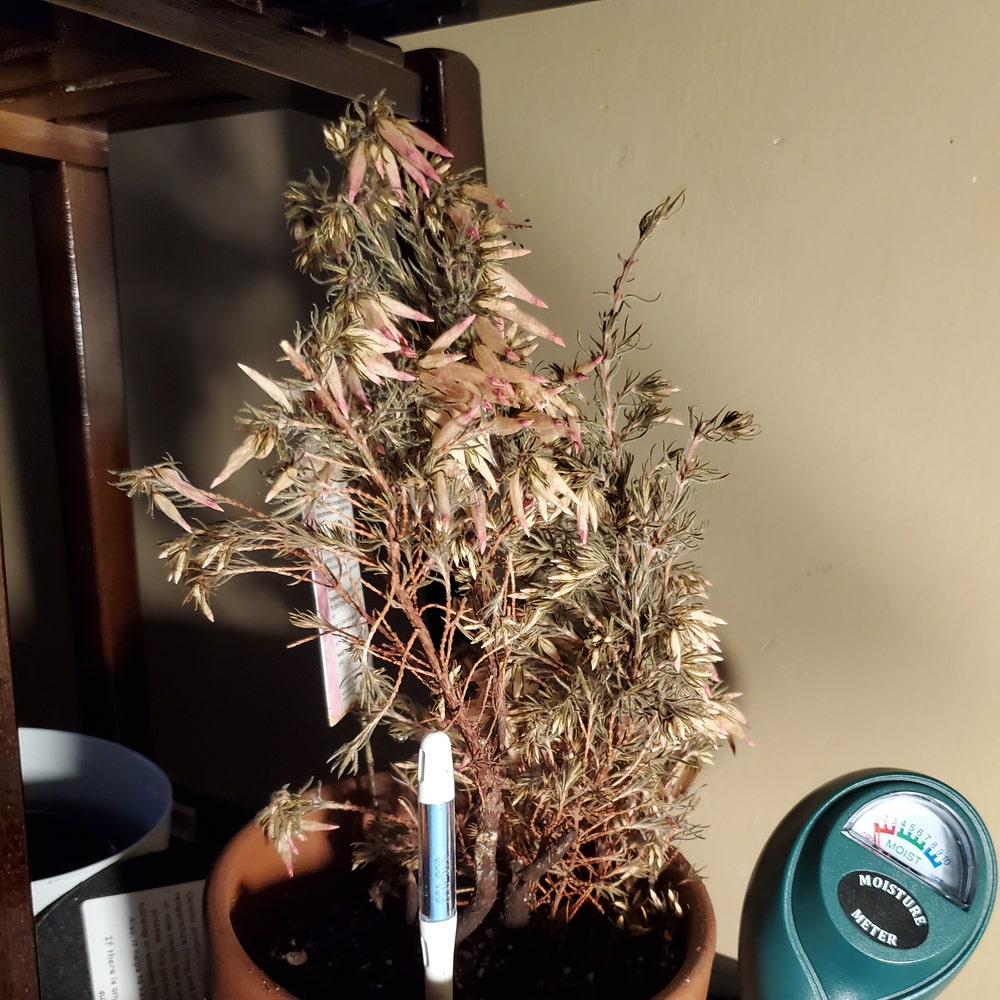
Yellowing leaves and a wilting posture in your Wandering Heath aren't just a sign of neglect; they're alarms. If your plant's leaves look more like autumn foliage than lush greenery, take note. And if there's a stench wafting up from the soil that reminds you of last week's forgotten leftovers, it's a clear signal: root rot may be lurking below.
🕵️ Root Inspection 101
To confirm your suspicions, you'll need to play detective with the roots. Healthy roots are the plant equivalent of a firm handshake; they're robust and white. In contrast, roots suffering from rot will feel as if they've lost a fight with a blender—mushy and discolored. When checking the soil's moisture, it should remind you of a well-wrung-out sponge, not a swamp or a desert.
Nipping It in the Bud: Immediate Actions to Combat Root Rot
🚑 The Rescue Operation: Root Trimming and Repotting
Root rot won't wait, so neither can you. Act fast and get your Wandering Heath out of its pot. Inspect the roots: healthy ones are firm and white, while rotten ones are soft and brown. Snip the bad ones with sterilized scissors. It's not a haircut; it's a lifeline.
Next, give your plant a fresh start with new soil and a clean pot. Ensure the pot has adequate drainage to prevent future waterlogging. Repotting isn't just a chore, it's a rescue mission for your plant's roots.
💊 Fungicide vs. Natural Remedies
When it comes to treatment, you've got options. Fungicides are like the big guns in your plant care arsenal, but they must be used wisely. Follow the label to the letter, and remember, they're not a cure-all.
On the flip side, natural remedies can be gentler and just as effective. Think of them as the plant equivalent of home remedies. Whether you go chemical or natural, the goal is the same: create an environment where root rot can't thrive. Keep the soil well-aerated and water wisely to keep root rot at bay.
Prevention Is Better Than Cure: Keeping Root Rot at Bay
💧 Watering Wisdom
Watering your Wandering Heath isn't a "set it and forget it" kind of deal. It's more like a strategic game of chess. You need to know your plant's needs like the back of your hand. Water only when the top inch of soil feels like a dry summer day. And when you do water, go all in—let it flow through the pot like a mini Niagara Falls, then make sure every last drop has a clear escape route.
🏡 The Right Home for Your Plant
Choosing the right pot and soil for your Wandering Heath is like picking a tailored suit—it needs to fit just right. Drainage holes? Non-negotiable. They're the bouncers at the club, keeping excess water from partying too hard around your plant's roots. And the soil? It should be as well-draining as a colander. No generic dirt will do—aim for a mix that's light, airy, and just right for your green buddy. Remember, a happy plant is all about the right habitat.
Aftercare: Ensuring a Healthy Comeback
🌱 Adjusting Your Plant's Care Routine
After treating root rot, monitoring your Wandering Heath's recovery is crucial. Begin by modifying watering frequency; too much water can lead to a relapse. Use room-temperature water to avoid shocking the sensitive roots. Adjust light exposure to bright, indirect light to prevent scorching the leaves while your plant regains strength.
🕵️ Monitoring and Maintenance
Keep a close eye on new growth, which indicates recovery. However, be vigilant for signs of distress like yellowing leaves, which may suggest the need for further adjustments in care. Rotate the plant periodically for even light exposure and consider a balanced, light feeding to replenish nutrients without overwhelming the plant. Regularly inspect for pests, as they're attracted to weakened plants. Remember, recovery is a marathon, not a sprint, and your plant's health is the finish line.
⚠️ Safety First
This content is for general information and may contain errors, omissions, or outdated details. It is not medical, veterinary advice, or an endorsement of therapeutic claims.
Always consult a qualified healthcare professional before using any plant as food, medicine, or supplement.
Never eat any plant (or feed one to pets) without confirming its identity with at least two trusted sources.
If you suspect poisoning, call Poison Control (800) 222-1222, the Pet Poison Helpline (800) 213-6680, or your local emergency service immediately.
Spotted an error? Please report it here.
Banish root rot for good 🛡 with Greg's moisture monitoring and tailored reminders, ensuring your Wandering Heath thrives with just the right amount of water and care!