What Is The Best Way To Water a Wandering Heath?
Erica vagans
By the Greg Editorial Team
Apr 08, 2024•3 min read
This article was created with the help of AI so we can cover more plants for you. May contain errors. See one? Report it here.
Nurture your wandering heath to peak lushness 🌿 with the ultimate watering techniques revealed in this guide.
- Wilting leaves? Use the finger test to check soil moisture.
- Seasons change, so should your watering schedule.
- Bottom watering promotes health; top watering needs caution.
When to Water: Timing is Everything
💧 Reading the Leaves and Soil
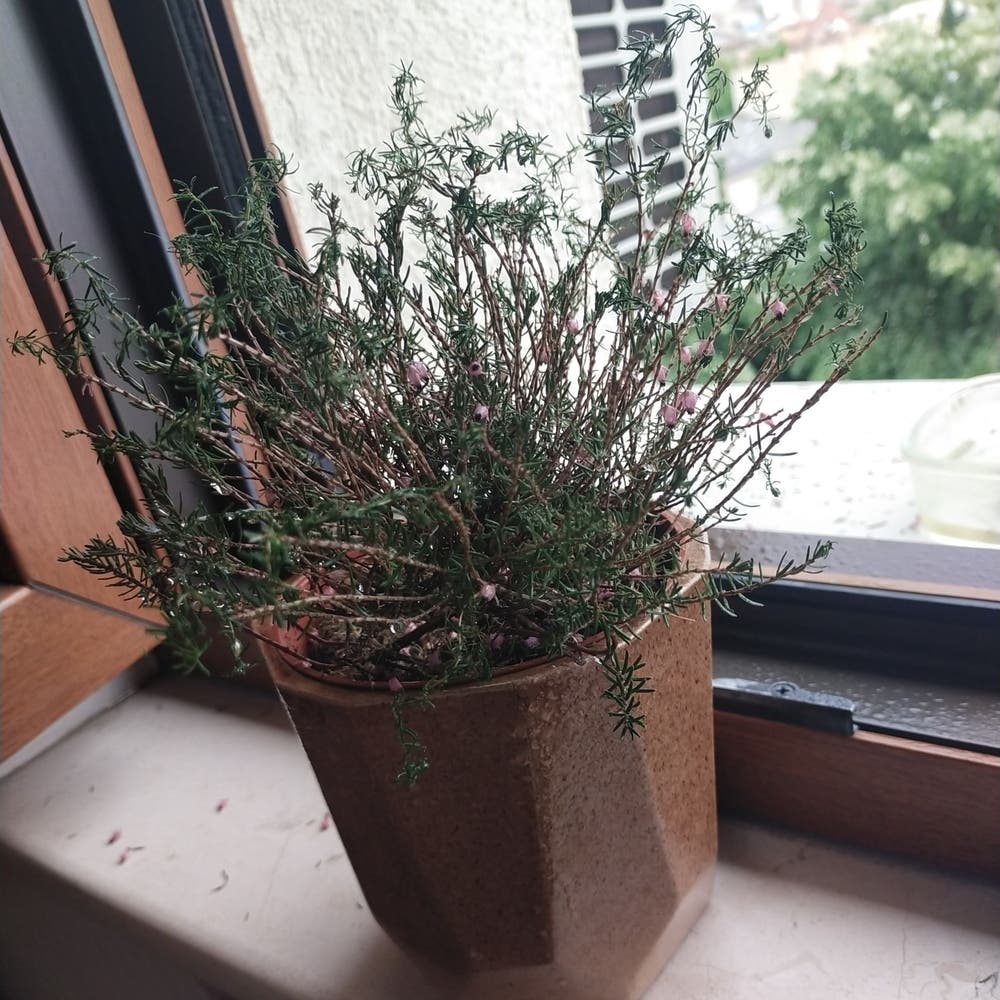
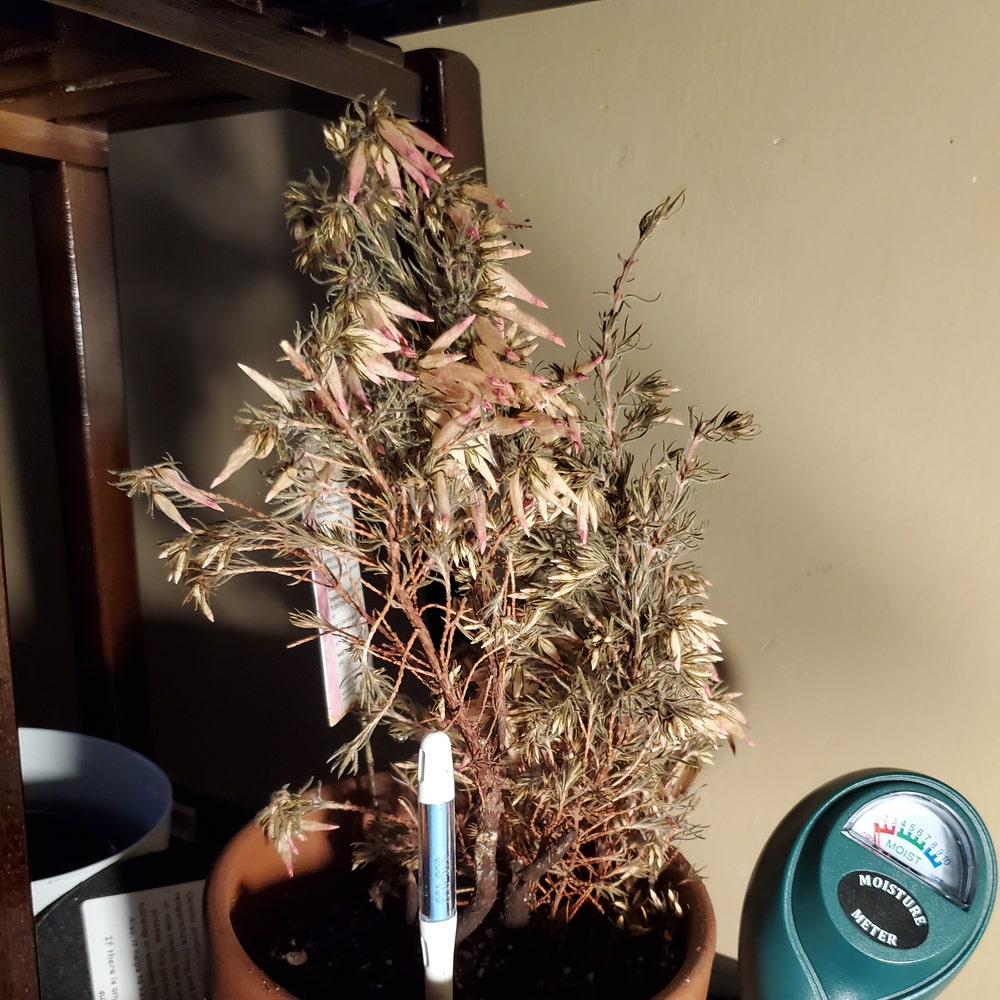
Wilting leaves are your wandering heath's white flag of surrender to thirst. If the soil feels like a desert, it's begging for a drink. Don't ignore these cries for help, or you'll be nursing a crispy critter back to health.
The finger test is your go-to move here. Plunge your digit into the soil; if it comes out clean, it's time to water. No fancy gadgets needed, just a trusty index finger.
🌦 Seasonal Shifts and Watering Frequency
As the seasons change, so does your plant's drinking schedule. Think of it like your own appetite in summer versus winter. More heat, more water. Less heat, less water. It's not rocket science, just good plant parenting.
Indoor conditions are the wild card. Your home's climate control could be turning your plant's world into a desert or a swamp. Stay vigilant and adjust your watering to combat the tyranny of your HVAC system.
How to Water: Techniques That Make a Difference
💧 Bottoms Up: The Bottom Watering Method
Bottom watering is a thirst-quencher for your wandering heath, promoting deep and healthy root growth. Here's how to do it right:
- Fill a shallow tray with water.
- Place the pot in the tray, letting the soil absorb moisture through the drainage holes.
- Once the soil's top feels moist, remove the pot and let it drain.
This method is a root's dream, encouraging them to reach down and strengthen. Plus, it keeps the foliage high and dry, reducing the risk of fungal freeloading.
💦 Top-Down Tactics
For a top-down approach, precision is key. Circle the base with water, as if the leaves are surrounded by a moat of lava. This technique ensures the soil gets the drink it needs without turning your plant into a leafy swamp. Remember, aim for the base and avoid the foliage to prevent the bane of all plant lovers: fungal invaders.
🌧️ Misting: More Than Just a Spritz
Misting is like a mini rainforest vacation for your wandering heath. It boosts humidity, which these plants adore. Follow these steps for a successful misting session:
- Use a fine mist spray bottle.
- Mist in the morning to allow leaves to dry before nightfall.
- Ensure even coverage without drenching the plant.
Think of misting as a delicate balancing act; it's about giving your plant a light humidity hug, not a full-on shower. Too much of a good thing can lead to a soggy, unhappy heath.
Rescue Remedies for Water Woes
💦 Saving an Overwatered Plant
Overwatering can turn your wandering heath's pot into an unwanted pool party. First, stop watering immediately. Let the soil dry out like a desert landscape. If you spot any mushy or blackened roots, it's time for some delicate surgery. Prune the affected roots with sterilized scissors. Consider repotting your plant into fresh, well-draining soil to give it a new lease on life. Keep a close eye on the plant and resist the urge to water until the soil is dry to the touch.
💧 Reviving an Underwatered Heath
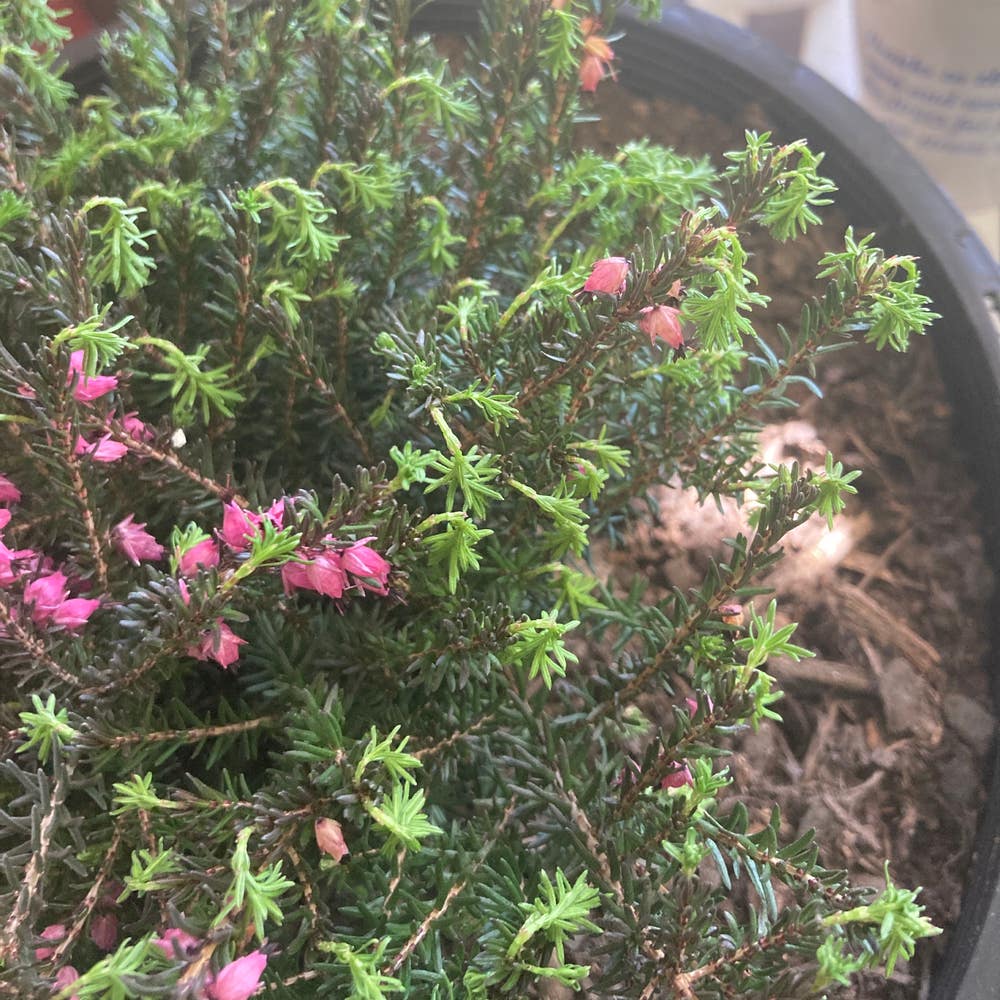
An underwatered wandering heath can look more desolate than a ghost town. To revive it, start with a thorough watering—think steady rain, not a flash flood. Ensure the water reaches the root zone where it's needed most. After the initial rehydration, establish a consistent watering schedule. Your plant's thirst isn't dictated by the calendar, so adjust based on the plant's response and environmental conditions. Keep the soil moist, but not soggy, to bring your heath back from the brink.
⚠️ Safety First
This content is for general information and may contain errors, omissions, or outdated details. It is not medical, veterinary advice, or an endorsement of therapeutic claims.
Always consult a qualified healthcare professional before using any plant as food, medicine, or supplement.
Never eat any plant (or feed one to pets) without confirming its identity with at least two trusted sources.
If you suspect poisoning, call Poison Control (800) 222-1222, the Pet Poison Helpline (800) 213-6680, or your local emergency service immediately.
Spotted an error? Please report it here.
Keep your Wandering Heath's leaves perky and healthy 💧 with Greg's tailored reminders, ensuring just the right amount of water for thriving growth without the guesswork.