Why Are My Wandering Heath Leaves Falling Over?
Erica vagans
By the Greg Editorial Team
Apr 08, 2024•5 min read
This article was created with the help of AI so we can cover more plants for you. May contain errors. See one? Report it here.
Prevent your Wandering Heath from slumping 🍂 with key tips for robust, upright growth.
- Overwatering leads to root rot, causing leaves to droop.
- 🌞 Proper light and nutrients prevent stretching and slumping.
- Support with stakes or trellises for a healthy, upright plant.
Pinpointing the Culprits: Common Causes of Droopy Leaves
💧 Overwatering and Root Rot
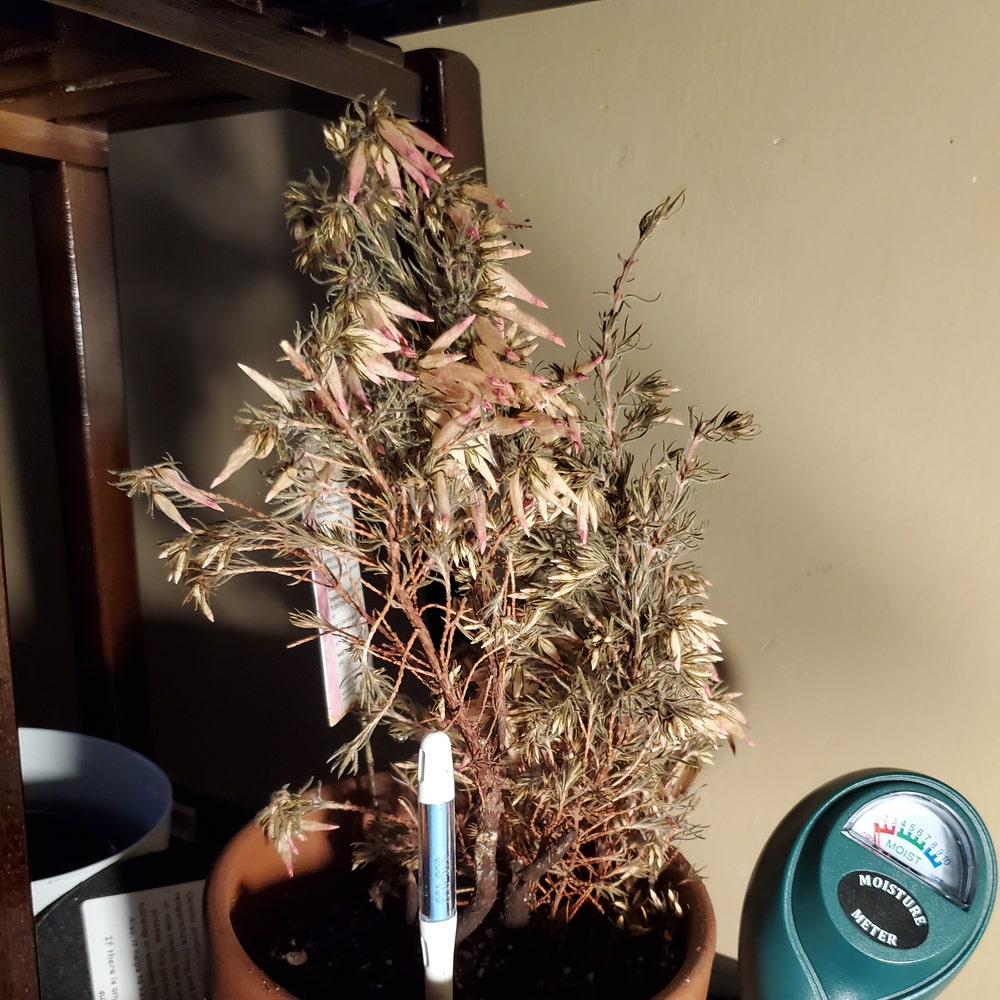
Overwatering is the silent killer of the Wandering Heath. If the soil feels wet past the first inch, it's a red flag. Soggy soil equals slouchy leaves, as the roots begin to rot and lose their ability to support the plant.
🌞 Light Levels: Too Little Can Lead to a Tumble
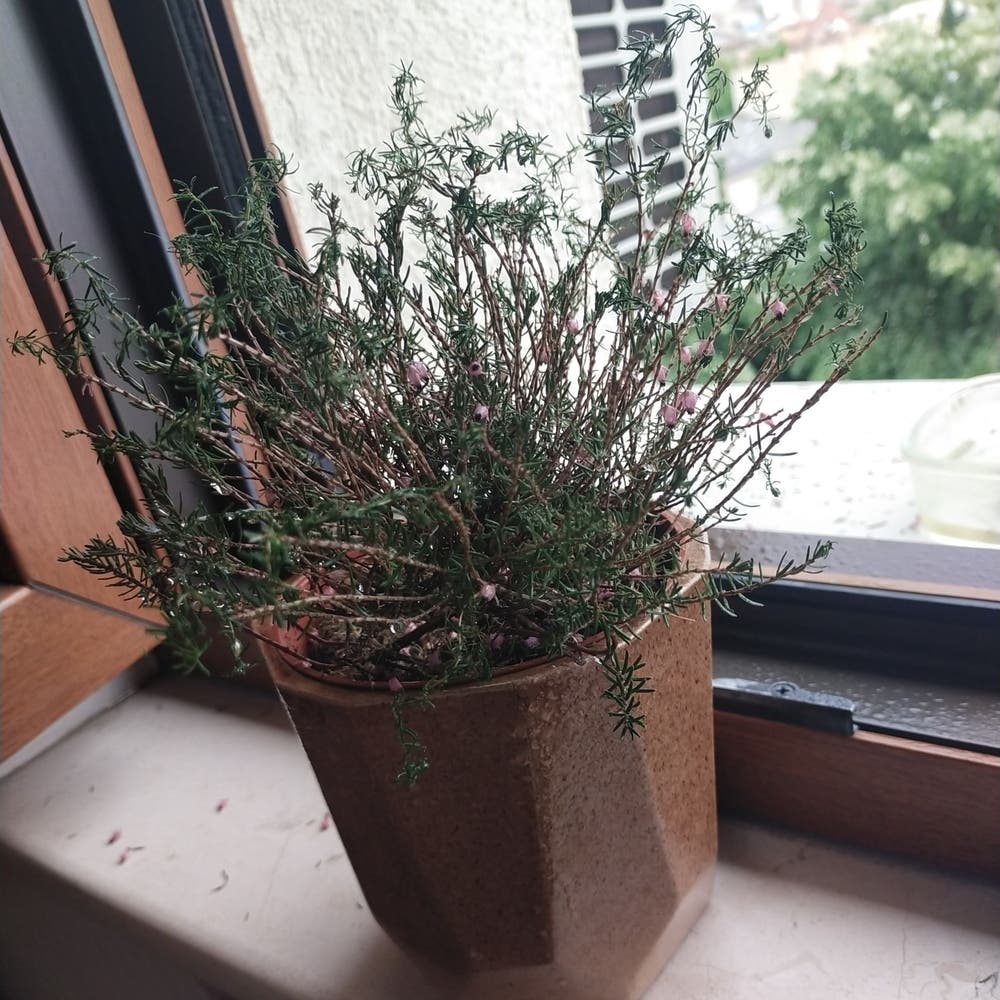
A Wandering Heath in low light is like a building with a weak foundation—it's bound to topple. Leaves droop as the plant stretches towards any available light. The sweet spot for sunlight is crucial to maintain a plant's upright posture.
🍽️ Nutrient Needs: Starved Plants Slump
Nutrient deficiencies turn a once perky Wandering Heath into a slumping shadow of its former self. Look for signs of a hungry plant, like pale or yellowing leaves. Essential nutrients like nitrogen, phosphorus, and potassium are the trifecta for keeping leaves perky.
Turn the Tide: Rescuing Your Drooping Wandering Heath
💧 Fine-Tuning Your Watering Technique
Watering your Wandering Heath isn't about sticking to a calendar; it's about tuning into your plant's needs. Check the soil before you water—if it's dry two inches down, it's time to hydrate. Early morning is prime time for watering, allowing leaves to dry out and reducing the risk of fungal invaders. Aim for the soil, not the foliage, unless you're aiming for a mold party.
Tools and Tricks for Perfect Plant Hydration
Moisture meters are your undercover allies in the quest for perfect watering. If you're more old-school, the finger test works too—just make sure the soil feels like a wrung-out sponge. For those who prefer a hands-off approach, consider self-watering pots to maintain consistent moisture levels.
🌞 Let There Be Light: Illuminating Solutions
Adjusting your plant's position can be a game-changer. Bright, indirect light is the sweet spot for your Wandering Heath. Too much direct sunlight can be as harsh as a midday desert, while too little light is like living in a cave—neither is ideal for a plant that's trying to stand tall.
💡 Artificial Lighting: Can it Help Your Heath Stand Tall?
When sunlight is as scarce as a rainy day in the desert, artificial lights can be a lifesaver. Go for LED grow lights; they're like a sun substitute that keeps your Heath happy without the risk of sunburn.
🍽️ Feeding for Strength: Fertilizer Fixes
Choosing the right fertilizer is like picking a personal trainer for your plant. A balanced mix is key—too much and you risk fertilizer burn, too little and your plant becomes a slouch. Look for a nutrient cocktail that boosts your plant's strength without the hangover.
Schedule and Dosage: Not Too Little, Not Too Much
Moderation is the mantra when it comes to fertilizing. Overdoing it is as bad as a diet of fast food, while underfeeding is like skipping meals. Adjust your fertilizer schedule with the seasons—more in the growth phase, less when it's resting. Keep a log; it's the unsung hero in the quest for the perfect feeding routine.
Defend Your Plant: Keeping Pests and Diseases at Bay
🕵️ Early Detection: Spotting Trouble Before It Starts
Regular check-ups are your first line of defense against the critters that make your Wandering Heath wilt. Look for tell-tale signs like unusual leaf spots, stunted growth, or a loss of plant vigor. Flip those leaves and inspect the soil; pests love to lurk in the shadows.
DIY plant health checks should be as routine as brushing your teeth. Incorporate them into your weekly plant care to catch invaders before they throw a party at your Heath's expense.
💥 Combat Strategies: Natural and Chemical Aids
When pests crash the party, it's time for action. Natural remedies like insecticidal soap or neem oil can show them the door without the collateral damage of harsh chemicals. For fungal foes, crank up the air circulation and say goodbye to stagnant, spore-friendly air.
Chemical treatments should be a last resort, but when used, they must be safe and effective. Always follow the label instructions to the letter—overdoing it can be worse than the pests themselves.
Preventative practices are the unsung heroes here. Keep your tools clean, isolate new plants, and maintain a strong plant immune system through proper care. It's like setting up a velvet rope to keep the riff-raff out of your plant's exclusive club.
Propping Up Your Plant: Support Systems and Preventative Care
🌱 Building a Support Network
Timing is everything when it comes to propping up your Wandering Heath. Introduce stakes or trellises early, as they become part of the plant's growth journey. Think of them as a scaffold for your plant's ambitions, not just a quick fix for drooping leaves.
Creative support blends aesthetics with function. Beyond the traditional stake, consider using a lattice or even repurposing a piece of art as a support structure. This not only adds character to your space but also provides a unique climbing frame for your plant.
🛡️ The Ounce of Prevention: Routine Care
Regular plant check-ups are crucial for a thriving Wandering Heath. Keep an eye out for early signs of stress or imbalance, which could lead to a slouchy posture. Rotate your plant periodically to ensure even growth and prevent it from leaning towards light sources.
Seasonal adjustments are part of the preventative care playbook. Less water in the cooler months, more shade during intense summer heat, and a watchful eye on the nutrient balance will keep your plant standing tall. Remember, plant care is a dynamic relationship, not a set-it-and-forget-it deal.
⚠️ Safety First
This content is for general information and may contain errors, omissions, or outdated details. It is not medical, veterinary advice, or an endorsement of therapeutic claims.
Always consult a qualified healthcare professional before using any plant as food, medicine, or supplement.
Never eat any plant (or feed one to pets) without confirming its identity with at least two trusted sources.
If you suspect poisoning, call Poison Control (800) 222-1222, the Pet Poison Helpline (800) 213-6680, or your local emergency service immediately.
Spotted an error? Please report it here.
Ensure your Wandering Heath's leaves stay upright and vibrant 🌿 with Greg's personalized care reminders, turning plant woes into lush, healthy growth.