Why Are My Wandering Heath Leaves Droopy?
Erica vagans
By the Greg Editorial Team
Apr 08, 2024•4 min read
This article was created with the help of AI so we can cover more plants for you. May contain errors. See one? Report it here.
Rescue your Wandering Heath from droopiness 🍂 and unlock the secrets to its perkiness and health!
- Wilting leaves signal distress; check soil moisture and look for pests.
- Balance water and light to prevent over/underwatering and ensure bright, indirect sunlight.
- Stabilize temperature; avoid extremes and drafts for perky leaves.
Spotting the Signs: When Your Wandering Heath is Unhappy
🚨 Telltale Symptoms of Droopiness
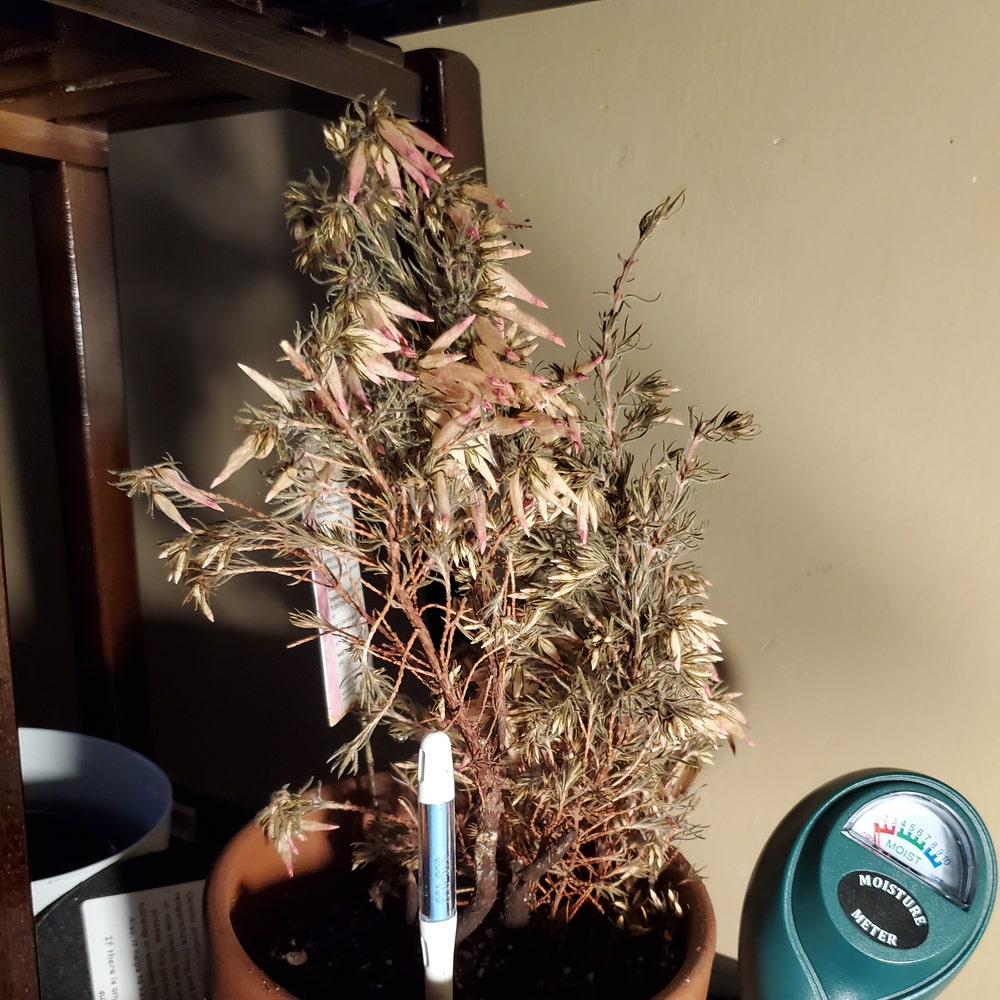
Wilting leaves are the silent alarm of your Wandering Heath. If they're drooping down, it's time to tune in to your plant's needs. Discoloration, spots, and curling leaves are not just cosmetic issues; they're distress signals that demand attention.
Quick Health Check
To assess your plant's health, start with a soil check. Is it too dry or too wet? The soil should feel like a damp sponge, not a swamp or desert. Next, inspect the leaves for any yellowing, browning, or spots. Don't forget to look under the leaves for pests—they're notorious for lurking out of sight. Finally, consider the stability of the stems; they should be firm, not flimsy.
The Usual Suspects: Identifying the Cause of Droopiness
💧 Water Woes: Too Much or Too Little
Droopy leaves can signal watering missteps. Overwatering symptoms include yellow leaves and stems with the texture of mush. If the soil feels soggy days after watering, you're giving too much. Conversely, underwatering signs are crispy leaves and soil that's bone-dry. A pot that's suspiciously light is your cue to water.
🌞 Light and Shadow Play
Lighting plays a crucial role in leaf health. Too much sun can scorch leaves, causing them to droop as if seeking shelter. On the other hand, insufficient light leads to leaves sagging from lack of energy. The sweet spot is bright, indirect light, where your Wandering Heath can thrive without the risk of light burn or energy starvation.
🔥 Feeling the Heat: Temperature Troubles
Temperature extremes are a fast track to droopy leaves. Too hot or too cold, and your plant's leaves will react as quickly as ice cream on a sunny day. Aim for a stable, comfortable temperature range to keep your Wandering Heath's leaves perky and healthy. Avoid placing your plant near drafty windows or heat sources that can cause sudden temperature changes.
Turning the Tide: Solutions for Perky Leaves
💧 Fine-Tuning Watering Techniques
Watering your Wandering Heath isn't a set-it-and-forget-it deal. Check the soil before you water—dry? Time to hydrate. Moist? Hold off. Use room-temperature water to avoid shocking the roots. Remember, the goal is moist, not soggy.
☀️ Let There Be Light: Optimizing Light Exposure
Your Wandering Heath craves that bright, indirect sunlight—think of it as the plant's happy place. Too much sun can lead to a sunburned slump, while too little can cause a droopy demeanor. Adjust its spot seasonally to maintain the light sweet spot.
🌡 Keeping the Cool: Temperature Tactics
Stable temperatures keep your plant from throwing a fit. Aim for a comfortable range, akin to a spring morning. Avoid placing your Wandering Heath near drafty windows or heat sources, which can trigger a droop-fest.
Keeping Droopiness at Bay: Prevention Strategies
💧 Consistency is Key: Watering and Feeding
Routine is your Wandering Heath's lifeline. Establish a watering schedule that's as reliable as your morning coffee. Tailor this to your plant's needs, adjusting for the thirsty summer months and the dormant winter. Fertilize with a gentle touch; think of it as a vitamin boost rather than a full meal.
🌿 The Right Spot: Plant Placement and Care
Location matters. Your plant doesn't want to be the wallflower or the center of attention; it craves that sweet spot where light is just right. Ensure good air circulation to ward off unwanted fungal guests and keep humidity in check. Remember, the right spot today might not be right tomorrow; stay observant.
🌦 Seasonal Adjustments
As seasons change, so should your care. Dial back the watering in winter and provide more shade during the scorching summer. Consider a stake for those top-heavy times; it's like giving your plant a crutch when it's had a bit too much to drink. Keep an eye out for pests and show them the door before they crash your plant's party.
⚠️ Safety First
This content is for general information and may contain errors, omissions, or outdated details. It is not medical, veterinary advice, or an endorsement of therapeutic claims.
Always consult a qualified healthcare professional before using any plant as food, medicine, or supplement.
Never eat any plant (or feed one to pets) without confirming its identity with at least two trusted sources.
If you suspect poisoning, call Poison Control (800) 222-1222, the Pet Poison Helpline (800) 213-6680, or your local emergency service immediately.
Spotted an error? Please report it here.
Turn your Wandering Heath's droopy leaves 🍃 into a lush cascade with Greg's precise environment monitoring and custom watering reminders that ensure peak plant happiness.