Soil Recommendations for Wandering Heath
Erica vagans
By the Greg Editorial Team
Apr 08, 2024•4 min read
This article was created with the help of AI so we can cover more plants for you. May contain errors. See one? Report it here.
Unlock your Wandering Heath's full potential with our expert soil mix tips for peak plant health! 🌱🔍
- Acidic pH and sandy texture are ideal for Wandering Heath's health.
- Store-bought or home-mixed, ensure soil is airy with good drainage.
- Customize soil with peat moss, perlite, and compost for perfect mix.
Spotting the Right Soil Mix for Your Wandering Heath
🌱 What Wandering Heath Loves
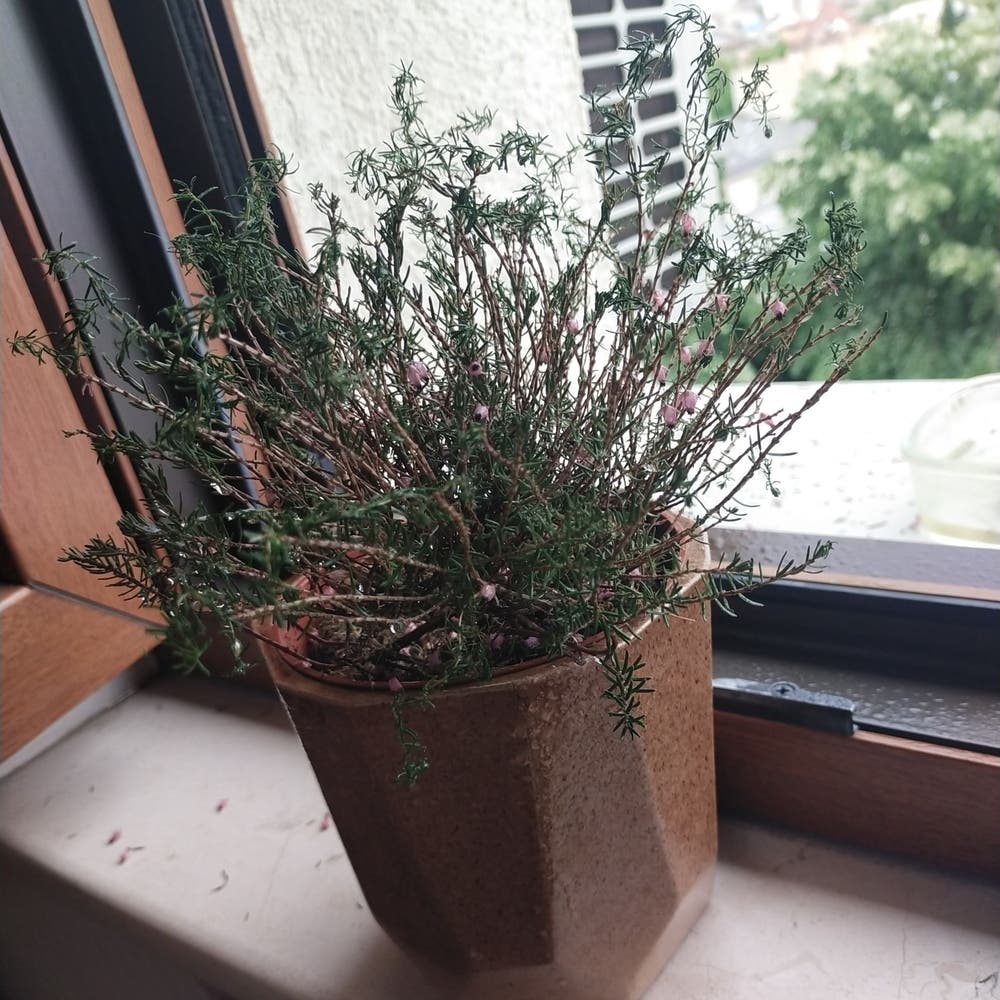
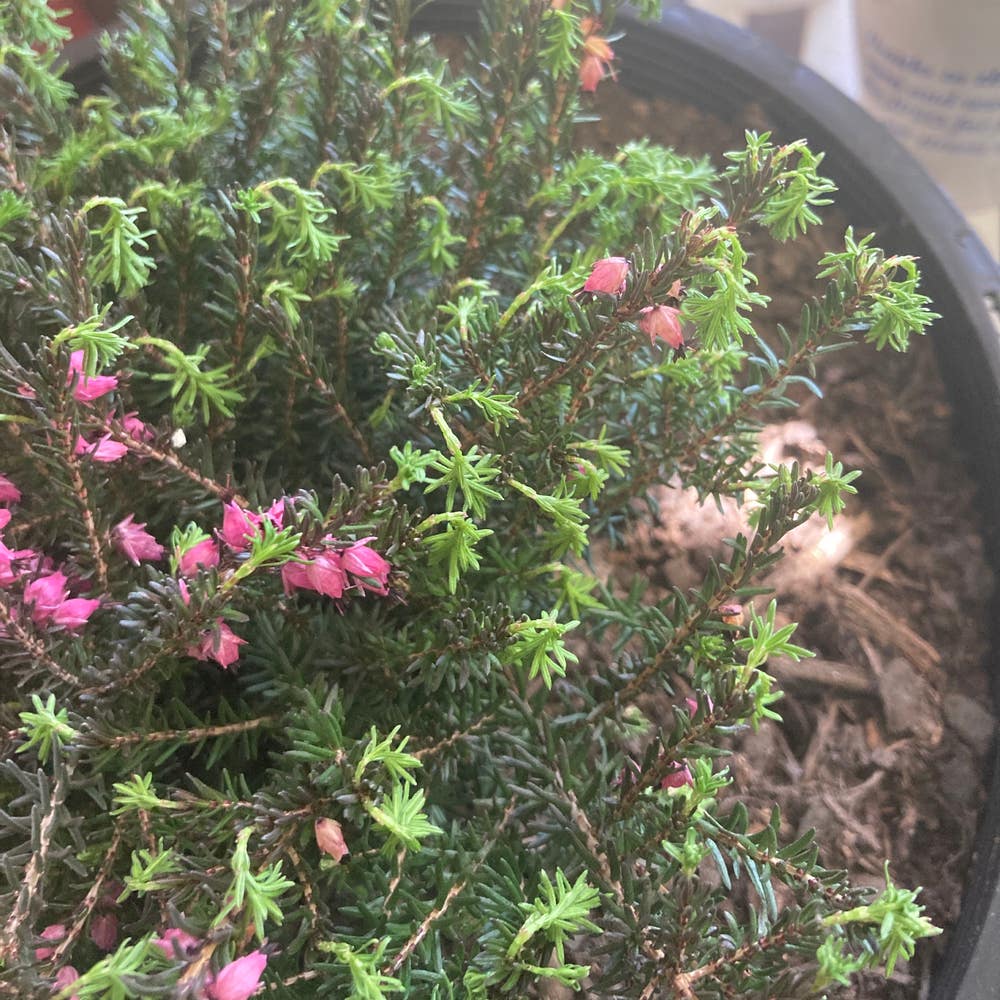
The Wandering Heath demands a specific soil environment to prosper. It prefers acidic soil, with a pH that leans towards the lower end of the scale. The texture should be sandy or loamy, ensuring that the roots have ample space to breathe and water can drain efficiently. Overly dense soil is a no-go; it's like putting a marathon runner in hiking boots—just doesn't make sense.
Store-Bought vs. Home-Mixed
When it comes to choosing between store-bought and home-mixed soil, transparency is key. Read labels like a detective; ingredients should be listed clearly. Lightweight and airy are the buzzwords here, as Wandering Heath's roots despise waterlogged conditions. While brands like Bonsai Jack and Dr. Earth are praised for their drainage qualities, don't shy away from tweaking the mix to suit your plant's needs.
On the flip side, crafting your own mix puts you in the driver's seat. Start with peat moss for moisture control, add perlite for aeration, and don't forget the compost for a nutrient boost. It's like cooking a gourmet meal for your plant—every ingredient matters. Remember, the perfect soil mix is not a one-size-fits-all; it should be customized to your Wandering Heath's unique preferences.
When Good Soil Goes Bad: Spotting and Fixing Issues
🚫 Telltale Signs of Trouble
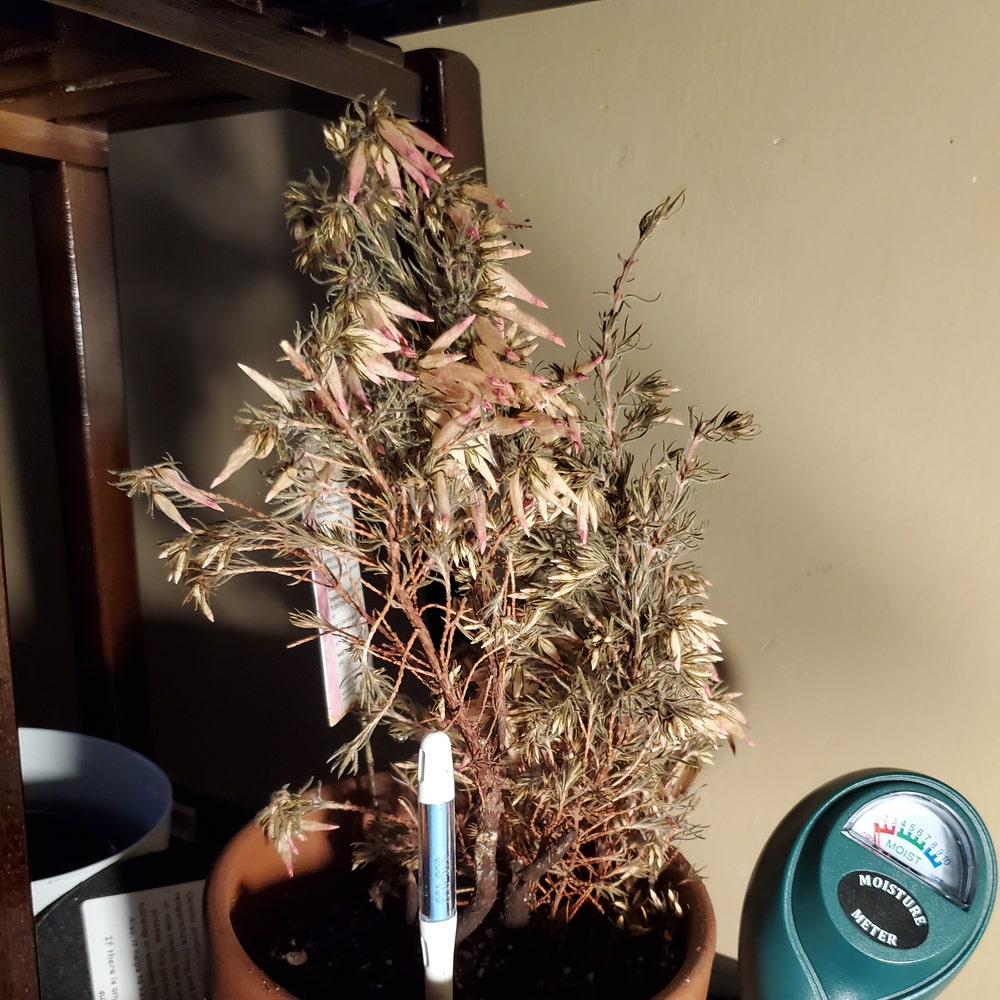
Mold is the unwanted guest in your soil party, often due to overzealous watering or poor airflow. Keep your nose on alert for a musty smell or your eyes peeled for a fuzzy intruder; these are red flags that your Wandering Heath is in distress. Overly dense soil that repels water like a raincoat is another sign; it should feel more like a welcoming sponge than last week's packed trash.
🛠️ The Fix Is In
To evict mold, cut back on the H2O and crank up the air circulation. Sunlight is not just for selfies; it's mold's nemesis. If your soil is tighter than your favorite jeans, it's time to mix in some perlite or coarse sand for breathability. Snip away any damaged roots like you're pruning your social circle. And remember, consistency is key—watering should be as regular as your morning coffee. If all else fails, don't think twice about a complete soil overhaul. Sometimes, a fresh start is the best solution.
Crafting the Perfect Home Blend for Wandering Heath
🌱 The Recipe for Success
Creating your own soil mix for Wandering Heath isn't just a task; it's an art. Here's how to get it right:
- Start with a base of all-purpose potting soil—three parts should do.
- Add two parts coarse sand or grit for excellent drainage.
- Mix in one part perlite to keep those roots breathing easy.
- Peat moss is your moisture manager; adjust the amount based on your plant's thirst.
- Compost is king for nutrients, but don't overdo it—aim for a sprinkle, not a heap.
- Keep the pH slightly acidic; Wandering Heath loves that tangy touch.
- Sterilize your mix to kick out any freeloaders like pests or diseases.
Remember, this isn't a one-size-fits-all. Watch your plant's response and tweak the mix as needed.
🌿 Tailoring to Your Environment
Your Wandering Heath's soil mix should vibe with your home environment:
- If your space is humid, go easy on the moisture-retaining components like peat moss.
- In drier conditions, let the peat moss shine to hold onto that precious water.
- Adjust the aeration based on how much your indoor jungle breathes; more airflow means more perlite.
- Seasonal shifts? In winter, dial back on moisture; summer calls for a mix that can handle extra watering.
By crafting your own mix, you're not just filling a pot; you're setting the stage for your Wandering Heath to flourish.
⚠️ Safety First
This content is for general information and may contain errors, omissions, or outdated details. It is not medical, veterinary advice, or an endorsement of therapeutic claims.
Always consult a qualified healthcare professional before using any plant as food, medicine, or supplement.
Never eat any plant (or feed one to pets) without confirming its identity with at least two trusted sources.
If you suspect poisoning, call Poison Control (800) 222-1222, the Pet Poison Helpline (800) 213-6680, or your local emergency service immediately.
Spotted an error? Please report it here.
Craft the ideal soil for your Wandering Heath with customized guidance 🌱 from Greg, ensuring your plant's roots have the perfect home to flourish.