Why Are My Wandering Heath Leaves Curling?
Erica vagans
By the Greg Editorial Team
Apr 08, 2024•3 min read
This article was created with the help of AI so we can cover more plants for you. May contain errors. See one? Report it here.
Solve your plant's curling leaf conundrum 🍃 and nurture a thriving Wandering Heath with our pro tips!
- 💧 Water wisely: Over/underwatering leads to leaf curl; maintain soil moisture balance.
- 🌡️🌞 Mind the climate: Protect from heat, cold drafts, and adjust light exposure.
- 🌱 Nutrient balance is key: Use balanced fertilizer; avoid overfeeding to prevent curl.
When Thirst Goes Wrong: Watering Issues
🌊 Overwatering Woes
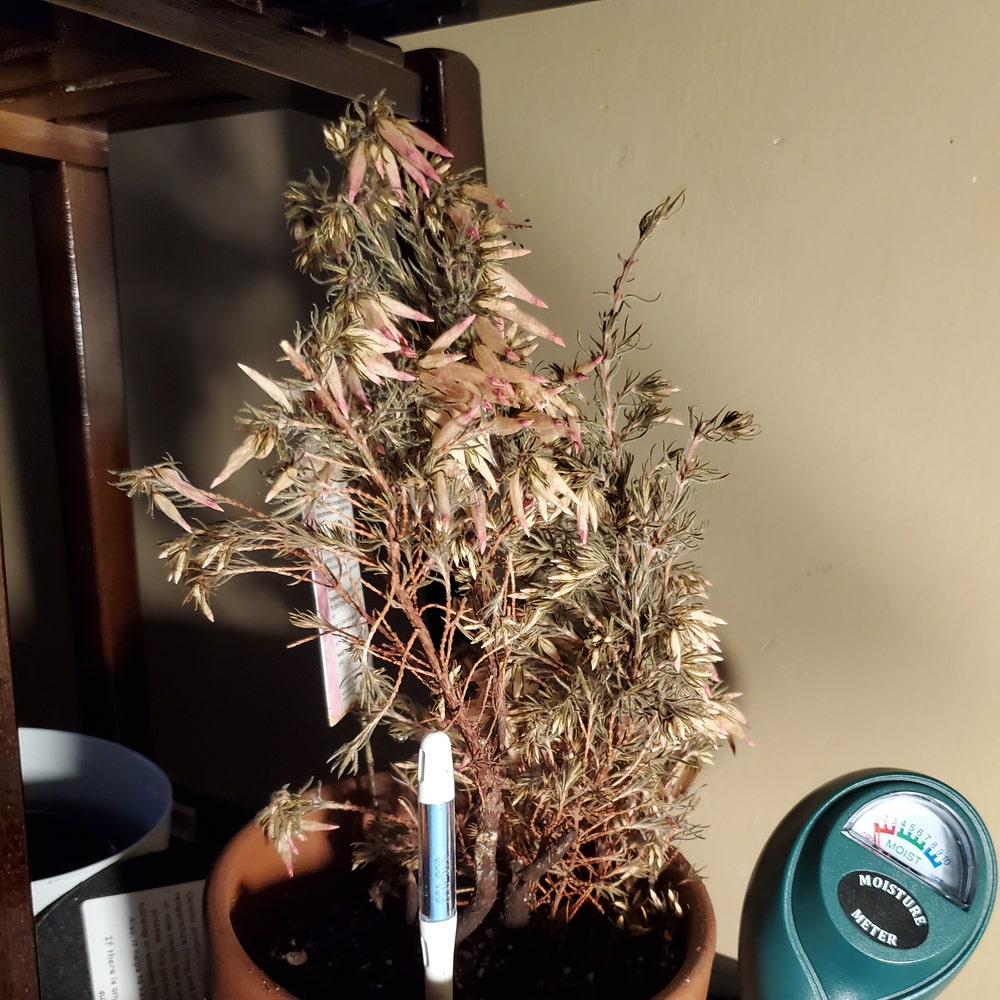
Yellowing leaves and a wilted appearance often signal overwatering. Your Wandering Heath might be swimming rather than sipping. To adjust your watering schedule, cut back on the frequency and ensure the pot has adequate drainage to avoid a personal plant swamp.
🏜️ The Perils of Underwatering
Conversely, leaves curling upward and feeling dry to the touch scream underwatering. The pot feeling lighter than usual is another clue. For proper soil moisture balance, water when the top inch of soil is dry, but don't wait for a total dust bowl scenario. Consistency is key, so consider setting a reminder to check the soil moisture regularly.
It's Getting Hot in Here: Temperature and Humidity
🔥 Too Hot to Handle
Heat stress can turn your Wandering Heath into a crispy critter. Leaf curl is a desperate attempt to conserve water and avoid a total meltdown. To cool down your plant, shade is your ally. Move it away from that sun-drenched windowsill and consider a fan to promote air circulation. Remember, your plant isn't trying to get a tan.
🌬️ Chilly Drafts and Dry Spells
Conversely, cold drafts and low humidity can make your Wandering Heath leaves curl up tighter than a rolled yoga mat. Drafty windows and heaters are the usual suspects. To combat this, create a microclimate. A humidifier or pebble tray can work wonders, keeping the air around your plant as cozy as your favorite sweater. Keep the humidity consistent, and your Wandering Heath will thank you by staying uncurled and splendid.
A Light Touch: Finding the Sweet Spot
🌞 Sunburn and Shade
Leaf curl can be a sign your Wandering Heath is getting too much sun or not enough. Leaves that are crispy or bleached suggest a sunburn, while leaves that are elongated or reaching indicate a lack of light.
To adjust light exposure, find a spot with bright, indirect sunlight. This could mean a window with sheer curtains or a position that gets morning sun and afternoon shade. Gradually acclimate your plant to prevent shock.
💡 Artificial Lighting
In low-light conditions, grow lights can prevent leaf curl. Place the lights at a respectful distance to mimic natural sunlight without the risk of burning the leaves. Monitor your plant's response and adjust the light intensity and duration as needed.
Feeding Finesse: Nutrient Needs and Imbalances
💡 Spotting Nutrient Deficiencies
Yellowing leaves or stunted growth can signal a nutrient deficiency in your Wandering Heath. To avoid guessing games, conduct a soil test for accurate diagnosis. Choose a balanced fertilizer with a proper NPK ratio, like 10-10-10, to address these deficiencies. Moderation is crucial; overdoing it can cause more harm than good.
🚨 The Overfeeding Ouch
Excessive fertilizer can lead to nutrient burn, where leaves curl and tips may appear burnt. If you've been heavy-handed with feeding, it's time to dial it back. Flush the soil with water to remove excess nutrients. Remember, a balanced NPK ratio is key, and organic options like compost offer a gentler, slow-release feeding method.
⚠️ Safety First
This content is for general information and may contain errors, omissions, or outdated details. It is not medical, veterinary advice, or an endorsement of therapeutic claims.
Always consult a qualified healthcare professional before using any plant as food, medicine, or supplement.
Never eat any plant (or feed one to pets) without confirming its identity with at least two trusted sources.
If you suspect poisoning, call Poison Control (800) 222-1222, the Pet Poison Helpline (800) 213-6680, or your local emergency service immediately.
Spotted an error? Please report it here.
Curl no more, as Greg's custom watering plans 💧 and environment tracking ensure your Wandering Heath thrives with just the right care.