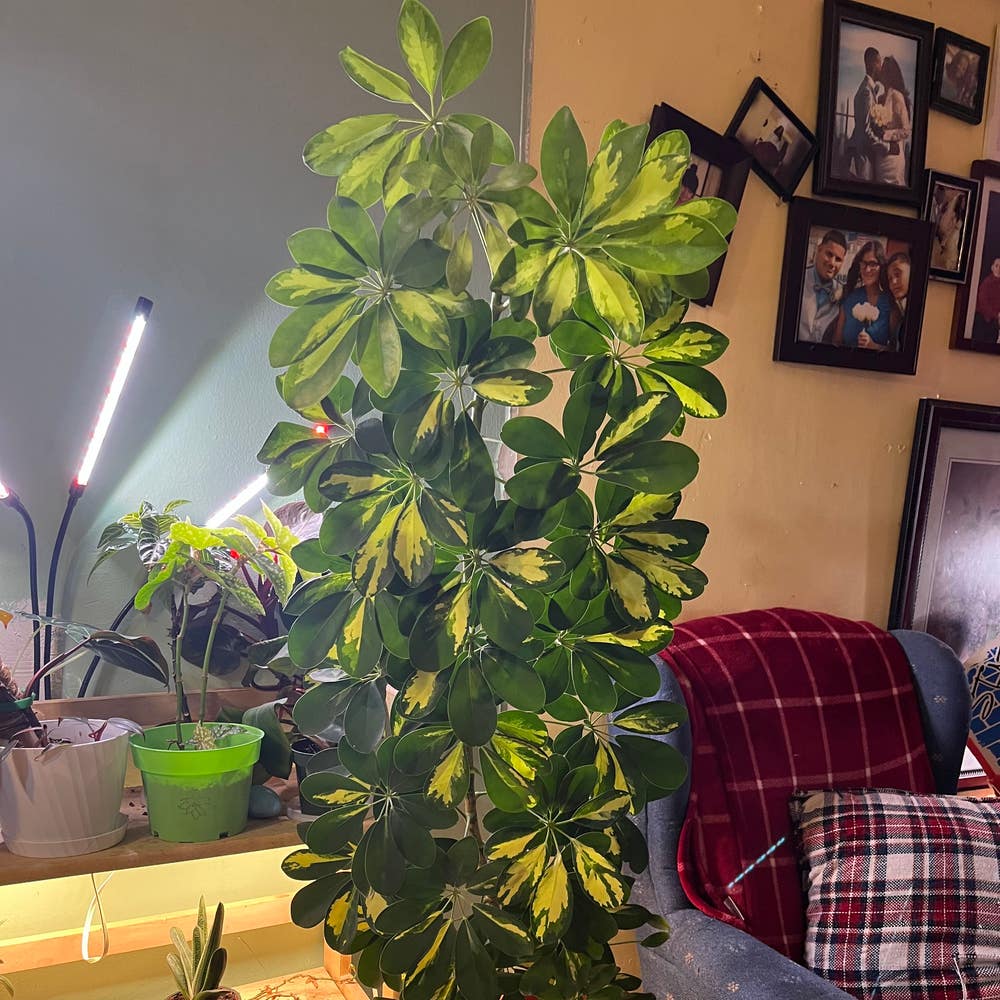
Best Tips for Healthy Variegated Dwarf Umbrella Tree Roots 🌳
Heptapleurum arboricola 'Variegata'
By the Greg Editorial Team
Sep 30, 2024•5 min read
This article was created with the help of AI so we can cover more plants for you. May contain errors. See one? Report it here.
Master root care for your variegated dwarf umbrella tree 🌱 and watch it thrive like never before! 🌍
- 🌱 Healthy roots are vital for nutrient uptake and overall plant stability.
- 💧 Prevent root rot by allowing soil to dry out between waterings.
- 🔄 Transplant when rootbound to promote growth and prevent stunted development.
Root System Characteristics
🌱 Type of Root System
The variegated dwarf umbrella tree features a fibrous root system. This type of root structure is advantageous for nutrient uptake and provides excellent stability, allowing the plant to thrive in various conditions.
📏 Root Depth and Spread
Typically, the roots grow to a depth of 6-12 inches (15-30 cm). They can also spread laterally, extending up to 2-3 feet (60-90 cm) in diameter, which is crucial for absorbing moisture and nutrients.
Factors Influencing Growth Patterns
Several factors can influence the growth patterns of these roots:
- Soil Quality: Nutrient-rich soil promotes healthier root development.
- Moisture Levels: Consistent moisture helps roots expand effectively.
- Pot Size: A larger pot allows for greater root spread and growth.
Understanding these characteristics is essential for maintaining a healthy variegated dwarf umbrella tree. With the right care, you can ensure robust root development, setting the stage for a thriving plant.
Next, we'll delve into effective care techniques to support these roots.
Care Techniques
Watering Practices and Their Impact on Roots 🌊
To maintain healthy roots in your variegated dwarf umbrella tree, focus on proper watering techniques. Allow the top inch of soil to dry out between waterings; this promotes strong root growth and prevents rot.
Deep watering is essential as it encourages roots to expand downward, seeking moisture. Watch for signs of overwatering, like yellowing leaves or a musty smell, and underwatering, which may cause wilting or browning leaf tips.
Fertilizing Methods Tailored to Root Health 🌱
Choosing the right fertilizer is crucial for root health. Opt for a balanced, water-soluble fertilizer, applying it at half the recommended rate during the active growth periods, typically spring and summer.
Timing matters; fertilizing during dormancy can lead to root burn. Always ensure the fertilizer is well-diluted to avoid damaging the delicate root system.
Transplanting Considerations for Root Systems 🌍
Transplanting is necessary when your plant outgrows its pot. Signs include roots emerging from drainage holes or stunted growth.
Follow these steps for successful transplanting:
- Prepare a new pot with fresh, well-draining soil.
- Gently remove the plant from its current pot.
- Inspect and trim any damaged roots.
- Place the plant in the new pot and fill with soil, ensuring stability.
- Water thoroughly after transplanting to help settle the soil.
By following these care techniques, you can ensure your variegated dwarf umbrella tree thrives, setting the stage for healthy roots and vibrant growth. Next, let’s explore common root issues and how to address them effectively.
Common Root Issues
Identifying Common Root-Related Problems 🌱
Root rot is a significant concern for variegated dwarf umbrella trees. This condition often arises from overwatering or poor drainage, leading to symptoms like yellowing leaves and a foul odor emanating from the soil.
Another common issue is rootbound conditions. When roots grow out of drainage holes or the plant exhibits stunted growth, it’s a clear sign that the roots are cramped and need attention.
Tips for Preventing and Solving Root Issues 🛠️
To prevent root problems, adopt best practices for watering and soil management. Always ensure your pot has adequate drainage and allow the top inch of soil to dry out before watering again.
Regular root health assessments are crucial. Check for any signs of distress, and if you notice issues, adjust your watering schedule and improve drainage to promote healthier roots.
For root rot, immediate action is necessary. Reduce watering frequency and consider repotting the plant in fresh, well-draining soil to help revive its health.
By staying vigilant and proactive, you can maintain robust root systems that support your plant's overall vitality.
Next, we’ll explore how to recognize visual cues of healthy versus unhealthy roots.
Root Health Indicators
Visual Cues of Healthy vs. Unhealthy Roots 🌱
Healthy roots are a gardener's pride. They should feel firm and display a white or light tan color, signaling vitality and good health.
In contrast, unhealthy roots tell a different story. Look for dark, mushy textures and an unpleasant smell, which are clear signs of trouble.
Other Indicators of Root Health 🔍
Beyond root appearance, overall plant vigor is crucial. Leaf color, growth rate, and resilience to stress all reflect the health of the root system.
Soil moisture levels also play a significant role. Consistent moisture correlates directly with root health, ensuring your plant thrives.
By keeping an eye on these indicators, you can maintain a robust and flourishing variegated dwarf umbrella tree. Next, let’s explore common root issues that might arise and how to tackle them effectively.
Rootbound Plants
Definition and Recognition of Rootbound Conditions 🌱
A plant is considered rootbound when its roots have filled the pot, often circling around the edges. This condition can lead to stunted growth and poor nutrient uptake.
Signs of Rootbound Conditions 👀
Look for roots growing out of the drainage holes or a noticeable lack of growth. If your plant seems to be struggling despite proper care, it might be time to check its roots.
When and How to Address Rootbound Issues ⏰
Timing is crucial when dealing with rootbound plants. If you notice signs of rootbound conditions, it’s best to intervene promptly.
Steps to Relieve Rootbound Conditions ✂️
- Remove the plant from its pot. Gently ease it out to avoid damaging the roots.
- Loosen and trim the outer roots. This helps encourage new growth and prevents circling.
- Repot in a larger container with fresh soil. Ensure the new pot has adequate drainage for healthy root development.
Importance of Root Health in Propagation 🌿
Healthy roots are essential for successful propagation. They provide the necessary support and nutrients for new growth.
Risks of Propagating from Unhealthy Plants ⚠️
Attempting to propagate from unhealthy plants can lead to failure. Weak roots may not support new growth, resulting in wasted effort and resources.
By addressing rootbound conditions and ensuring root health, you set the stage for thriving plants and successful propagation. Next, let’s explore common root issues that can arise and how to tackle them effectively.
⚠️ Safety First
This content is for general information and may contain errors, omissions, or outdated details. It is not medical, veterinary advice, or an endorsement of therapeutic claims.
Always consult a qualified healthcare professional before using any plant as food, medicine, or supplement.
Never eat any plant (or feed one to pets) without confirming its identity with at least two trusted sources.
If you suspect poisoning, call Poison Control (800) 222-1222, the Pet Poison Helpline (800) 213-6680, or your local emergency service immediately.
Spotted an error? Please report it here.
Nurture your variegated dwarf umbrella tree's roots for a flourishing plant 🌿 by using Greg's tailored care reminders and expert tips to keep your roots healthy and thriving!