Why Are My Star Fruit Leaves Mushy? 🌟
Averrhoa carambola
By the Greg Editorial Team
Jan 21, 2024•3 min read
This article was created with the help of AI so we can cover more plants for you. May contain errors. See one? Report it here.
Prevent mushy Star Fruit leaves 🍃 by pinpointing and fixing their soggy downfall!
- 🚿 Overwatering and poor drainage lead to mushy Star Fruit leaves.
- 🍄 Fungal infections worsen with too much moisture.
- 🌱 Adjust watering and soil to prevent and treat mushiness.
Spotting the Trouble: Signs Your Star Fruit Leaves Are Too Mushy
🍃 Visual Symptoms
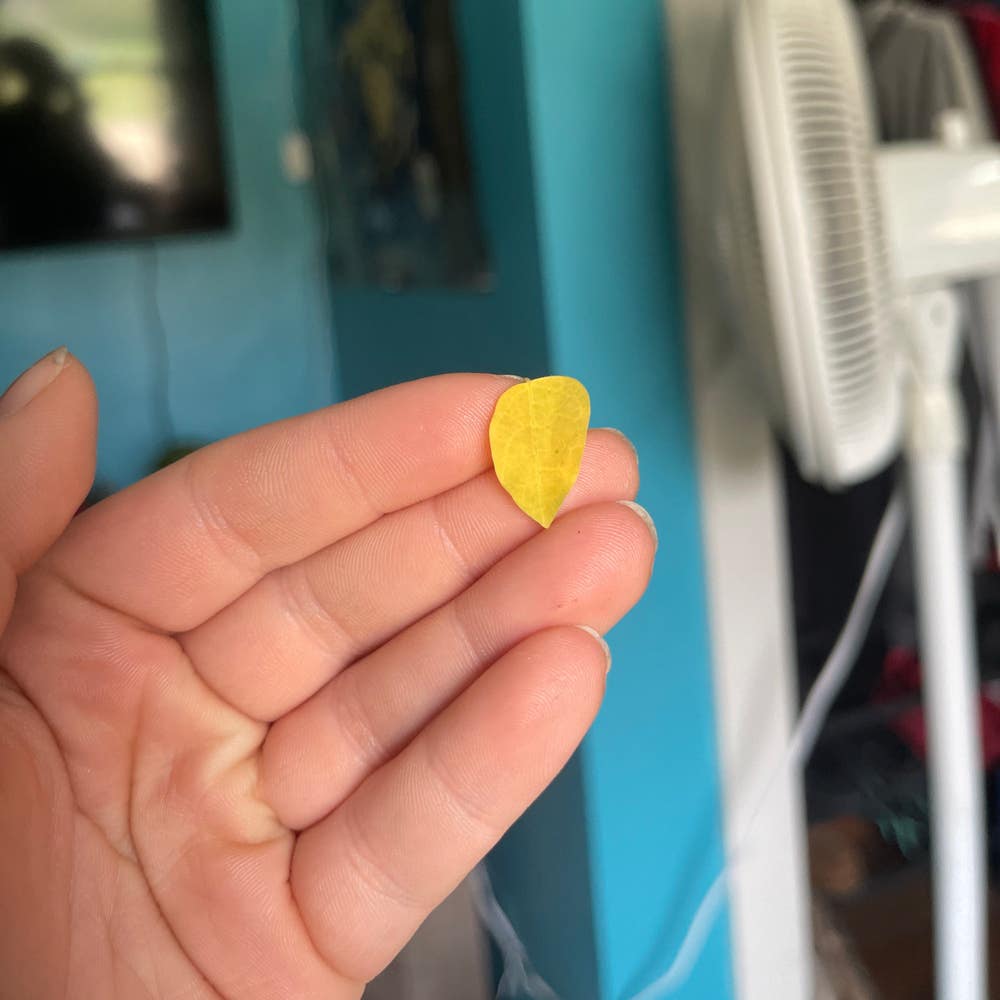
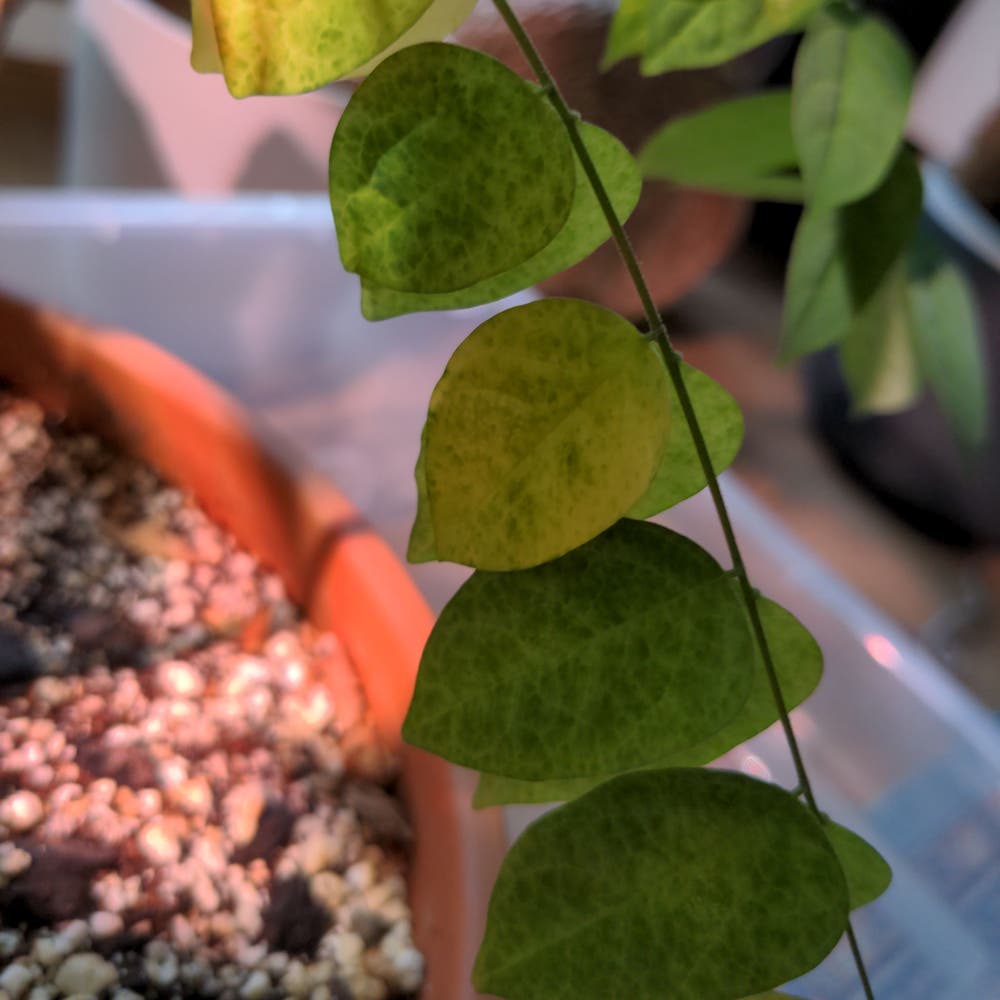
When your Star Fruit plant starts sporting leaves that look like they've lost their will to live, it's time to take note. Discoloration is a dead giveaway—leaves turning a sad shade of yellow, brown, or a pale green are signaling distress. If they're looking splotchy with dark edges, consider this a plant SOS.
🖐 Tactile Clues
Get hands-on and give those leaves a gentle press. A healthy leaf will have some pushback, while a mushy one will cave like a deflated balloon. If it's got the texture of a marshmallow, you've got a problem. Remember, the goal here is resilience, not squishiness. When the soil feels more like a bog than a bed, it's a sign that your watering habits might need a serious recalibration.
Getting to the Root: Common Culprits of Mushiness
💦 Overwatering Woes
Star Fruit plants are not aquatic creatures; they can't handle excessive moisture. Overwatering is like throwing a pool party for your plant's roots, and they're not having a good time. The soil should feel like a well-wrung sponge—moist, but not soggy. If you're giving your plant the underwater equivalent of a bear hug, it's time to loosen your grip.
🍄 Fungal Foes
Mushy leaves often wave the white flag of fungal infections. These uninvited guests thrive in the damp conditions created by overzealous watering. If you spot powdery mildew or leaf spots with a yellowish ring, it's time to show these party crashers the door.
🚰 Drainage Disasters
Your Star Fruit's pot should be a home, not a swamp. Poor drainage is like a clogged drain during a shower; it just leaves everything soaked. Ensure your pot has adequate drainage holes and consider adding materials like perlite to the soil mix to keep water from overstaying its welcome.
The Recovery Plan: Treating Mushy Leaves
💧 Balancing the Watering Scale
Watering your Star Fruit plant is like a ritual; do it with intention, not on autopilot. Check the soil before each watering—if it clings to your finger, it's a no-go. Let the top inch dry out, then water deeply but infrequently. This encourages roots to seek moisture and become more resilient.
🍄 Combating Fungi
Fungi are the party crashers of the plant world. Act fast—remove affected leaves with sterilized scissors and treat with a targeted fungicide. Read labels like you're deciphering a secret code to ensure it's right for your Star Fruit. Remember, cleanliness is next to godliness; clean your tools after every cut to prevent spreading the spores.
🚰 Improving Your Soil's Drainage
Your plant's pot should have more holes than a plot in a bad mystery novel. If it doesn't, drill some or get a new pot. Mix in perlite or coarse sand to keep the soil from getting as compact as a crowded elevator. This isn't just a quick fix; it's a long-term investment in your plant's health.
Keeping It Firm: Preventing Future Mushiness
💧 Watering Wisdom
To prevent future mushiness in your Star Fruit leaves, strike a balance with your watering habits. Wait until the top inch of soil is dry—no need to drown your plant in affection. Remember, overwatering is like giving your plant a soggy blanket; it's uncomfortable and unnecessary.
🌱 Soil and Pot Perfection
Choose a well-draining soil mix, and think of your pot as your plant's home—it needs to be just right. A mix of perlite or sand ensures your plant's roots can breathe without swimming. And don't forget the pot; it should have drainage holes to avoid creating a miniature swamp for your Star Fruit.
⚠️ Safety First
This content is for general information and may contain errors, omissions, or outdated details. It is not medical, veterinary advice, or an endorsement of therapeutic claims.
Always consult a qualified healthcare professional before using any plant as food, medicine, or supplement.
Never eat any plant (or feed one to pets) without confirming its identity with at least two trusted sources.
If you suspect poisoning, call Poison Control (800) 222-1222, the Pet Poison Helpline (800) 213-6680, or your local emergency service immediately.
Spotted an error? Please report it here.
Avoid the mushy leaf blues in your star fruit by letting Greg's custom watering plans 🌱 ensure just the right amount of hydration for healthy growth.