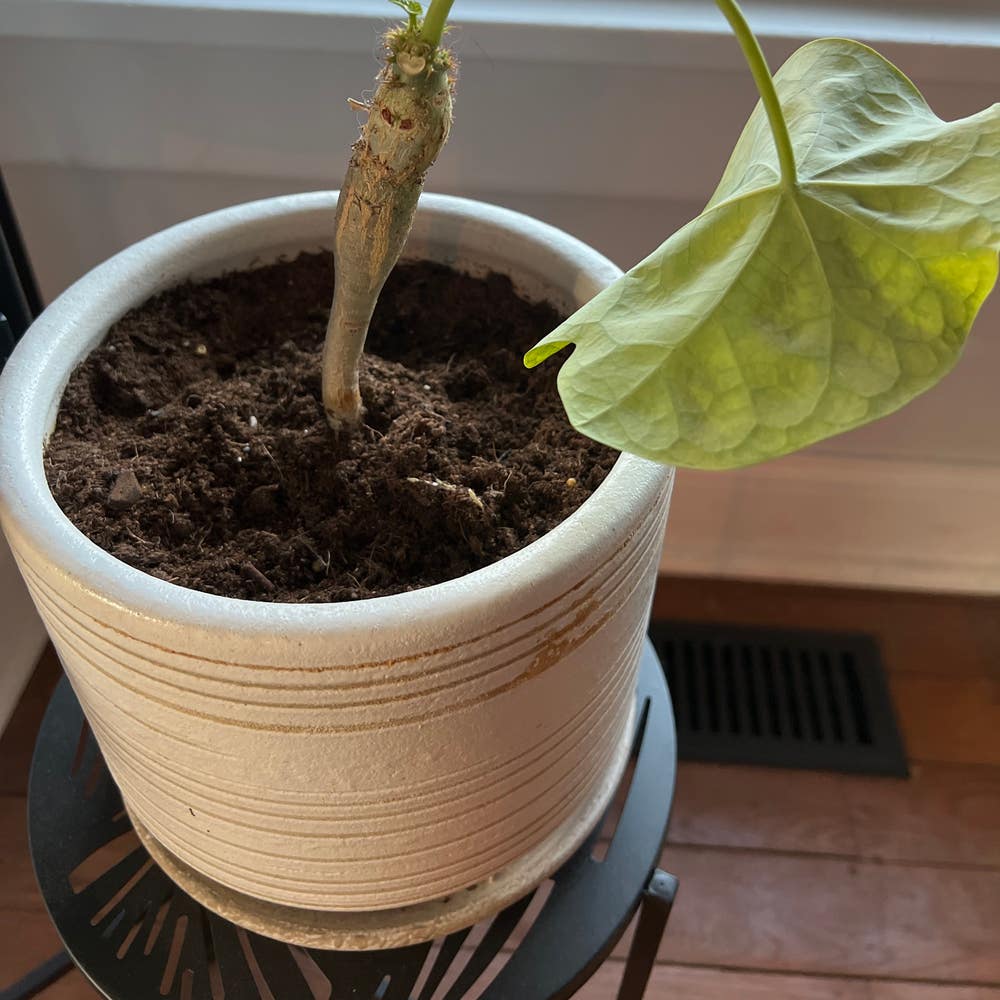
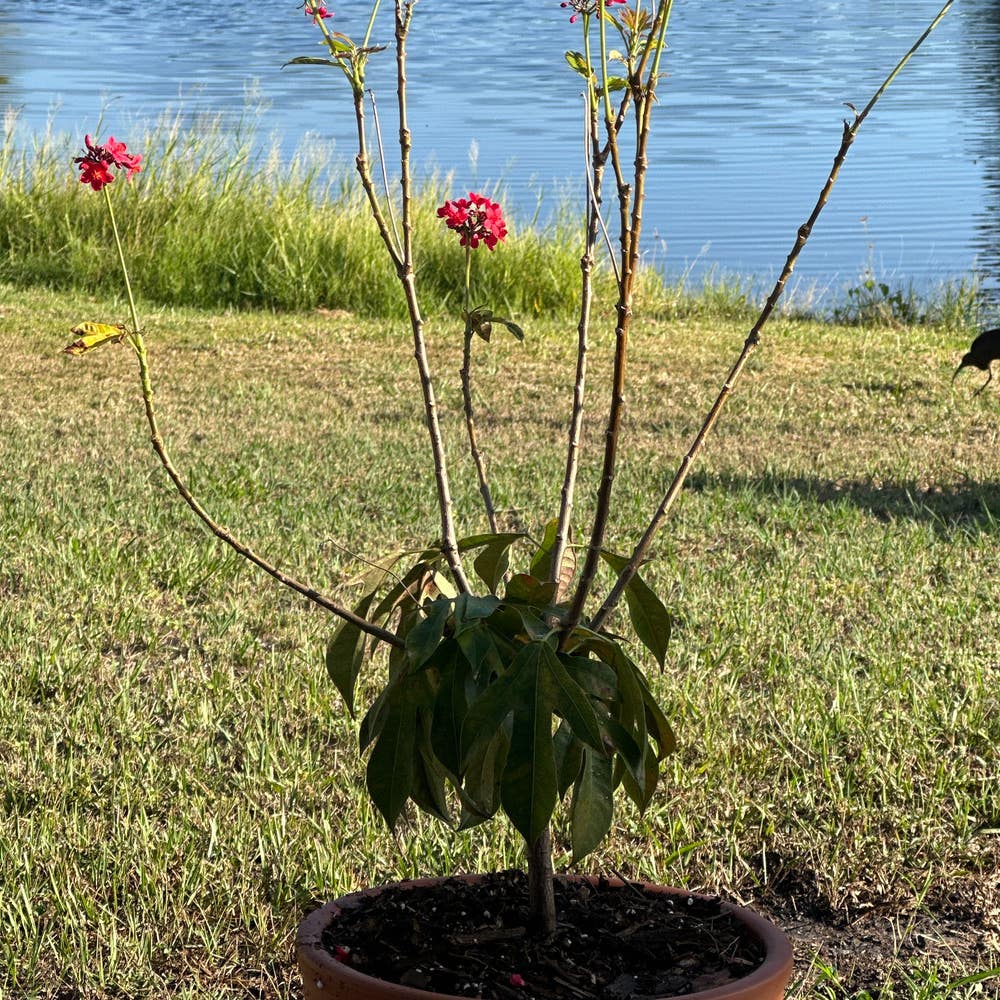
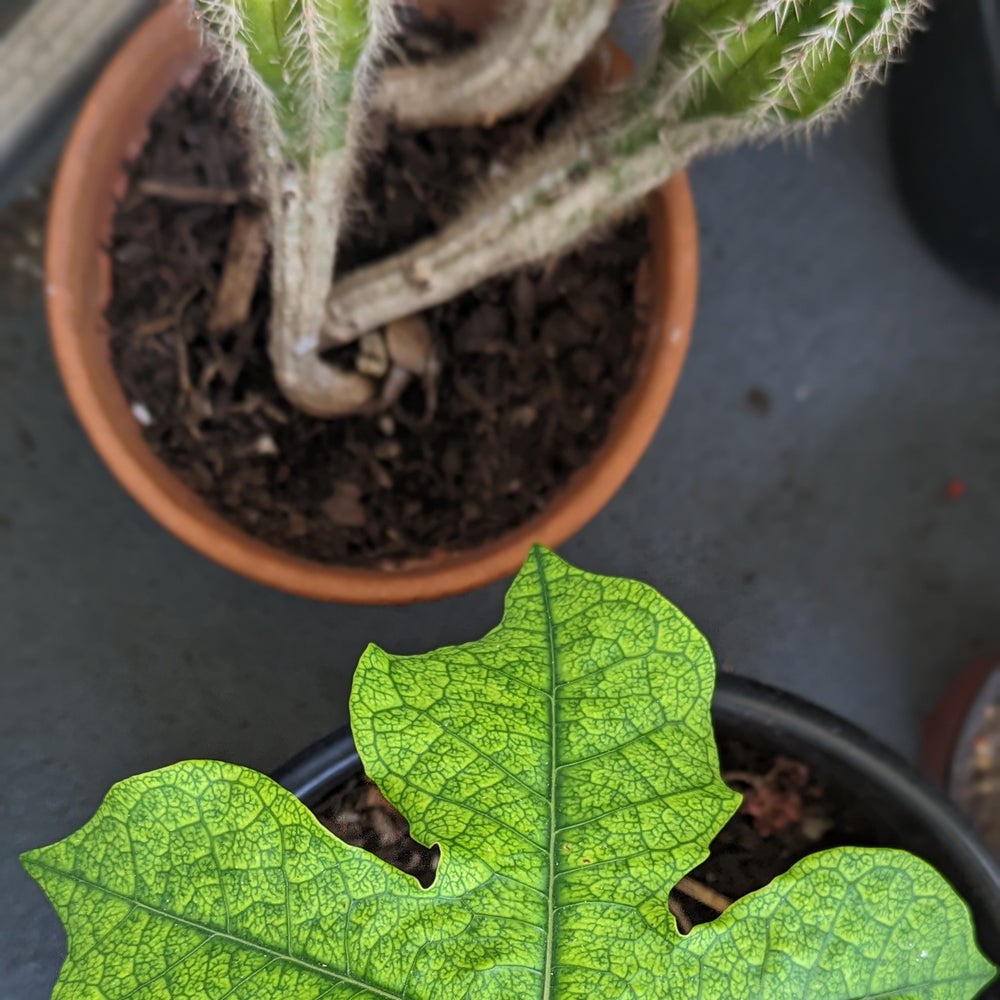
🌶 Understanding Spicy Jatropha: The Basics
Jatropha integerrima
By the Greg Editorial Team
Jan 23, 2025•10 min read
This article was created with the help of AI so we can cover more plants for you. May contain errors. See one? Report it here.
Elevate your garden with Spicy Jatropha's stunning blooms and eco-friendly perks! 🌼🌱
- 🌞 Spicy Jatropha needs 6-8 hours of sunlight daily for optimal growth.
- 🌱 Well-draining soil with pH 6.0-7.5 is crucial for healthy plants.
- 🚫 Seeds and sap are toxic to humans and pets; handle with care!
How to Grow
Choosing a Location 🌞
To thrive, Spicy Jatropha needs full sun, requiring 6 to 8 hours of direct sunlight daily. Additionally, ensure you provide adequate spacing of 3 to 5 feet apart to accommodate its bushy growth.
Soil Preparation 🌱
Well-draining soil is essential for healthy growth. Aim for a pH level between 6.0 and 7.5 to create the ideal environment for your plants.
Planting Techniques 🌿
When planting, maintain a spacing of 3 to 5 feet apart for optimal growth. Seeds or cuttings should be planted about 1 inch deep to encourage strong root development.
Watering Guidelines 💧
Water your Spicy Jatropha regularly until it is established, then gradually reduce the frequency. Always ensure the soil remains moist but avoid waterlogging, which can harm the roots.
Fertilizing Recommendations 🌼
Use a balanced NPK fertilizer to nourish your plants effectively. Fertilize every 4 to 6 weeks during the growing season to support healthy growth.
Pruning Methods ✂️
Prune your Spicy Jatropha in late winter or early spring. Focus on removing dead or damaged branches to encourage new growth and maintain a tidy appearance.
Ongoing Care 🔍
Regularly monitor your plants for signs of stress or disease. Be prepared to adjust your care routine based on seasonal changes to keep your Spicy Jatropha thriving.
With these guidelines, you'll be well on your way to cultivating a vibrant Spicy Jatropha garden. Next, let's explore the fascinating world of propagation techniques!
Propagation
🌱 Seed Propagation
To successfully propagate Spicy Jatropha from seeds, start by soaking them in water for 24 hours. This simple step enhances germination, setting the stage for robust growth.
For optimal results, ensure the seeds are planted in warm conditions, ideally between 70°F and 85°F. This temperature range encourages the seeds to sprout and thrive.
✂️ Cutting Propagation
Another effective method for propagation is through cuttings. Choose healthy stems that are 4-6 inches long, as these will have the best chance of rooting successfully.
When preparing your cuttings, use a rooting medium that combines perlite and peat moss. This mix provides excellent drainage and aeration, crucial for developing strong roots.
With these propagation techniques, you can expand your Spicy Jatropha collection and enjoy its vibrant presence in your garden. Next, let’s explore the lifecycle of this fascinating plant.
Lifecycle
Lifecycle Stages 🌱
The lifecycle of Spicy Jatropha unfolds through several distinct stages: seed or cutting, germination, seedling, vegetative growth, flowering, and seed production. Each stage is crucial for the plant's development and overall health.
Lifespan ⏳
Under optimal conditions, Spicy Jatropha can thrive for an impressive 20 to 50 years. This longevity makes it a valuable addition to any garden or landscape.
Growth Timeline 📅
Typically, it takes about 2 to 3 years for Spicy Jatropha to reach maturity. During this time, proper care and attention can significantly influence its growth and flowering potential.
Understanding the lifecycle of Spicy Jatropha not only helps in nurturing the plant effectively but also enhances your appreciation for its resilience and beauty. Next, let’s explore the mature dimensions of this fascinating plant.
Size
Mature Dimensions 🌳
Spicy Jatropha can reach impressive heights of 6 to 10 feet, making it a striking addition to any garden. Its spread typically ranges from 4 to 6 feet wide, allowing it to fill out space beautifully.
Growth Rate 📈
Under optimal conditions, you can expect this plant to reach its full size in about 2 to 3 years. However, several factors can influence its growth, including soil quality, water availability, and sunlight exposure, so keep these in mind as you cultivate your Spicy Jatropha.
Understanding these dimensions and growth rates will help you plan your garden layout effectively. Next, let’s explore the root system characteristics that support this vibrant plant.
Roots
Root System Characteristics 🌱
The spicy jatropha features a unique taproot system complemented by fibrous roots. This structure allows it to reach depths of 2-3 feet, providing stability and access to moisture.
Common Issues ⚠️
One of the most common problems with spicy jatropha is root rot, which occurs due to overwatering. Additionally, plants can become rootbound when their roots outgrow their container, leading to stunted growth.
Visual Cues for Root Health 👀
Healthy roots are typically firm, white, and spread out, indicating a thriving plant. In contrast, unhealthy roots may appear dark, mushy, or emit a foul smell, signaling potential issues.
Management Tips 🛠️
To recognize rootbound plants, look for roots circling the pot, which indicates they need more space. The solution is simple: repot the plant into a larger container to promote healthy growth.
Understanding the root system of spicy jatropha is crucial for its overall health. By monitoring root conditions and addressing issues promptly, you can ensure your plant thrives beautifully.
Benefits
Top 5 Benefits 🌟
Spicy Jatropha is not just a pretty face in the garden; it offers a range of benefits that make it a valuable addition to any landscape. Here are the top five reasons to consider this remarkable plant.
Ornamental Appeal
The bright yellow flowers of Spicy Jatropha are a magnet for pollinators. Their vibrant color adds a cheerful touch to your garden, making it visually appealing.
Drought Tolerance
Once established, Spicy Jatropha is remarkably drought-tolerant. This means you can enjoy a flourishing garden while using less water, making it an eco-friendly choice.
Erosion Control
This plant plays a crucial role in stabilizing soil in vulnerable areas. Its robust root system helps prevent erosion, making it ideal for gardens on slopes or near water bodies.
Biodiversity
By planting Spicy Jatropha, you support local ecosystems. It attracts various pollinators and beneficial insects, enhancing the biodiversity of your garden.
Cultural Significance
In some cultures, Spicy Jatropha is valued for its medicinal properties. It has been used in traditional medicine, showcasing its importance beyond mere aesthetics.
These benefits highlight why Spicy Jatropha deserves a spot in your garden. Its combination of beauty, resilience, and ecological value makes it a standout choice for any gardener.
As you explore the advantages of this plant, consider how it can complement your gardening goals. Next, let’s delve into companion planting and how to enhance your garden's diversity even further.
Companion Plants
Companion Planting Benefits 🌱
Companion planting is a fantastic way to boost your garden's health and productivity. By pairing plants that support each other, you can enhance biodiversity and improve pest management.
Compatible Plants 🌿
When growing Spicy Jatropha, consider these compatible plants:
- Marigolds: Known for their pest-repellent properties, they can help keep harmful insects at bay.
- Basil: This herb shares similar care needs with Jatropha and can enhance growth through beneficial interactions.
Plants to Avoid 🚫
While some plants thrive alongside Jatropha, others can create competition. Avoid planting nightshades, as they may compete for nutrients and attract similar pests, potentially harming your Jatropha's health.
By carefully selecting companion plants, you can create a thriving garden ecosystem that benefits your Spicy Jatropha. This thoughtful approach not only enhances growth but also contributes to a more resilient garden overall.
Next, let's explore the potential toxicity of Spicy Jatropha to humans, dogs, and cats, ensuring you understand the precautions necessary when handling this plant.
Toxicity to Humans
Toxic Parts and Symptoms 🌿
Spicy Jatropha is not just a pretty plant; it has a dark side. The seeds and sap contain toxic compounds that can lead to serious health issues.
Common symptoms of toxicity include nausea, vomiting, diarrhea, abdominal pain, and dizziness. If you experience any of these after contact with the plant, it’s crucial to seek medical attention.
Poisoning Occurrence ⚠️
Poisoning can occur through the ingestion of plant parts or exposure to the sap. It's essential to be cautious, especially around children and pets, as they may be more prone to accidental ingestion.
Immediate care is necessary if ingestion occurs or symptoms develop. Always err on the side of caution and consult a healthcare professional if you suspect poisoning.
Understanding these risks helps ensure that your gardening experience remains safe and enjoyable. Now that we've covered the potential dangers, let’s explore how to keep your Spicy Jatropha thriving while avoiding common pitfalls.
Toxicity to Dogs
Toxic Parts and Symptoms 🐶
Spicy Jatropha poses a risk to dogs, particularly its leaves and seeds. If ingested, dogs may exhibit symptoms such as drooling, vomiting, diarrhea, and weakness.
Poisoning Occurrence ⚠️
Poisoning can occur through the ingestion of plant material or exposure to the sap. If you suspect your dog has ingested any part of the plant, seek immediate veterinary attention to ensure their safety.
Understanding these risks can help you create a safer environment for your furry friends while enjoying the beauty of Spicy Jatropha in your garden.
Toxicity to Cats
🐱 Toxic Parts and Symptoms
Spicy Jatropha poses a risk to cats, particularly through its leaves and seeds. If ingested, your feline friend may exhibit symptoms such as drooling, vomiting, diarrhea, and weakness.
⚠️ Poisoning Occurrence
Poisoning can occur from ingesting any part of the plant or even exposure to its sap. If you suspect your cat has consumed Spicy Jatropha, seeking immediate veterinary attention is crucial to ensure their safety and well-being.
Understanding the risks associated with this plant can help you create a safer environment for your pets. Always monitor your plants and keep potentially harmful species out of reach.
Problems
Common Problems with Spicy Jatropha 🌶️
Growing Spicy Jatropha can be rewarding, but it’s not without its challenges. Understanding these common problems will help you maintain a healthy plant.
Incorrect Watering 🚰
One of the most frequent issues is incorrect watering. Signs of this problem include wilting or yellowing leaves, indicating that your plant may be either overwatered or underwatered.
Incorrect Light Conditions ☀️
Light conditions also play a crucial role in plant health. If your Jatropha is experiencing leaf scorch or leggy growth, it might not be receiving the right amount of sunlight.
Diseases 🦠
Fungal diseases can plague Spicy Jatropha, with powdery mildew and blight being the most common culprits. Keeping an eye out for these issues can help you take action before they spread.
Root Problems 🌱
Root health is vital for overall plant vitality. Look for signs of root rot or squishy roots, which can indicate overwatering or poor drainage.
Conclusion
By being aware of these common problems, you can take proactive steps to ensure your Spicy Jatropha thrives. Next, let’s explore the potential pest issues that could affect your plant's health.
Bugs
Potential Pest Issues 🐜
Spicy Jatropha can attract a variety of pests that may threaten its health. Understanding these potential issues is key to maintaining a thriving plant.
Spider Mites 🕷️
Spider mites are tiny pests that can wreak havoc on your Spicy Jatropha. Look for fine webbing on leaves, which indicates their presence and can lead to leaf damage if not addressed promptly.
Scale Insects 🐞
Scale insects are another common issue. They leave a sticky residue on leaves and can cause yellowing, signaling that your plant may be under stress.
Mealybugs 🧼
Mealybugs are easily recognizable by their cotton-like masses on stems. These pests can weaken your plant by sucking out vital nutrients, so early detection is crucial.
Management Strategies 🛠️
To combat these pests, consider using insecticidal soap or neem oil. Regularly inspecting your plant can help catch infestations early, ensuring your Spicy Jatropha remains healthy and vibrant.
Conclusion 📜
By staying vigilant against these pests, you can enjoy the beauty and benefits of Spicy Jatropha without the worry of infestations. Next, let’s explore what animals might be tempted to munch on this resilient plant.
What Eats Spicy Jatropha
Common Animals 🦌
Spicy Jatropha can attract a variety of wildlife that may nibble on its foliage.
- Deer: Look for signs of browsing on leaves, indicating their presence.
- Rabbits: They often leave behind chewed stems and leaves.
- Squirrels: These critters may cause bark damage as they climb and forage.
Deterrent Methods 🚫
To protect your Spicy Jatropha from these hungry visitors, consider implementing some deterrent strategies.
- Chemical repellents: Commercial deer repellents can be effective in keeping deer at bay.
- Organic control methods: Planting deterrent species nearby can create a natural barrier against these pests.
By taking these steps, you can help ensure your Spicy Jatropha thrives without unwanted munching. Next, let’s explore the common problems that can affect its growth.
⚠️ Safety First
This content is for general information and may contain errors, omissions, or outdated details. It is not medical, veterinary advice, or an endorsement of therapeutic claims.
Always consult a qualified healthcare professional before using any plant as food, medicine, or supplement.
Never eat any plant (or feed one to pets) without confirming its identity with at least two trusted sources.
If you suspect poisoning, call Poison Control (800) 222-1222, the Pet Poison Helpline (800) 213-6680, or your local emergency service immediately.
Spotted an error? Please report it here.
Unlock the secrets to thriving Spicy Jatropha 🌿 with Greg's tailored care reminders and expert advice, ensuring your plant flourishes for decades to come!